Most homes around Beckenham, and the towns within about 20 miles of it, have a plumbing question nobody has ever answered for them. EF Heating writes those answers down, so you know what a plumber is looking at before anyone arrives.
At a Glance
- The early warning signs that come before most big plumbing repairs
- Why a slow drip or a falling boiler pressure needs attention
- Four common habits that cause damage instead of saving money
- The gas and water rules that protect every household
- What happens at each stage of a plumbing job
EF Heating is a plumbing and heating business covering Beckenham and the towns around south-east London within twenty miles. We can also help if you need a plumber in Beckenham, with a written price before any work begins.
If something on this page sounds familiar, request an easy free quote from EF Heating across Beckenham and the surrounding towns while the fault is still small.
What plumbers won't tell you?
What plumbers won't tell you is rarely a secret: it is usually the small, practical things nobody thinks to mention, such as where your stopcock is, why a slow drip matters, and what a quick quote online does and does not cover. Most of it goes unsaid simply because nobody asks, so here it is plainly.
Spotted one of these warning signs at home? Request a quote from EF Heating through the form and have it looked at while it is still a small job.
Small signs usually arrive before big repairs
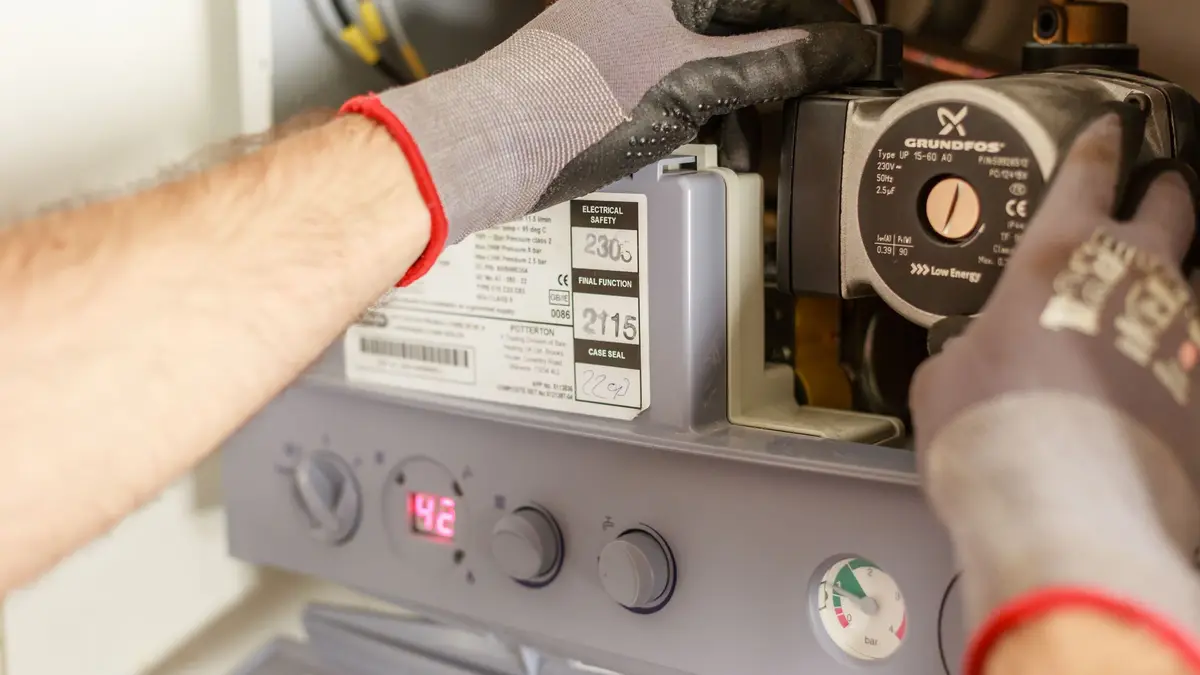
Very few plumbing problems start as a burst. Most give weeks or months of quiet warning first, and the warning is easy to live with because it costs nothing on the day.
These are the signs worth taking seriously:
- A water meter that keeps turning when every tap and appliance is off, which points to a hidden leak.
- Damp patches, bubbling paint or a musty smell on a ceiling below a bathroom.
- A toilet cistern that hisses or refills on its own long after the last flush.
- A combi boiler pressure gauge that drops week after week and needs topping up.
- Sinks and showers that drain slowly or gurgle, especially more than one at once.
- Radiators that stay cold along their upper edge while the lower half is warm.
None of these is an emergency on its own, but each one tells you something is changing. Note when you first saw it and whether it is getting worse. We can also help if you need a plumber in Catford.
Common beliefs that cost people later
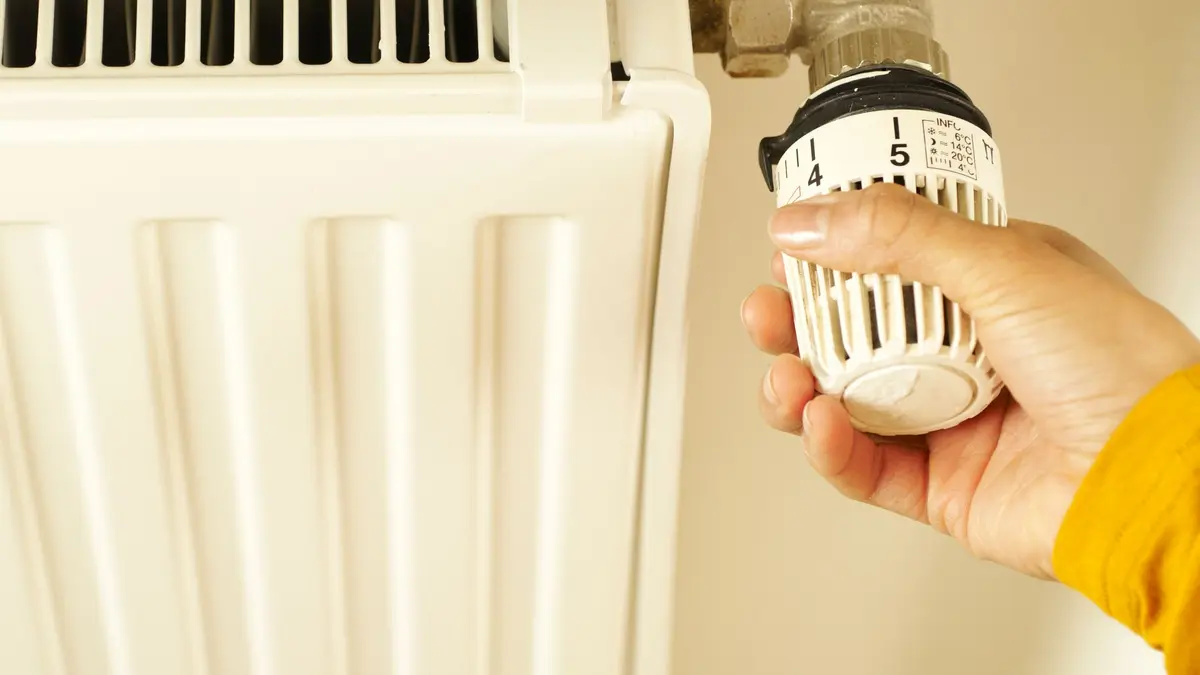
A lot of avoidable damage comes from ideas that sound sensible and turn out not to be. We see the same handful again and again.
A slow drip is harmless. It wastes far more water over a year than most people expect, and a drip under a floor or behind a unit can rot timber and spread damp long before it shows.
Chemical drain cleaner will sort it. Strong drain chemicals can harm older pipework and seals, and they rarely shift a blockage caused by fat, wipes or roots.
Turning the heating fully off saves the most. In a cold snap, pipes in lofts, garages and outside walls can freeze and split. A low background setting, or the boiler's frost protection, is the safer habit.
Topping up the boiler pressure fixes it. Refilling a combi is fine once. Needing to do it regularly means water is escaping somewhere, through a leak, a faulty valve or a worn part, and that cause is what needs finding.
The rules and safety points that apply at home
Plumbing and heating are more regulated than many people realise, and the rules exist to protect the household.
Gas is the clearest case. The law requires anyone doing gas work to be competent, and anyone doing it as a business to be Gas Safe registered; HSE and Gas Safe Register advise using a registered engineer. A registered engineer carries an identity card, and it is reasonable to ask to see it before work on a boiler, fire or hob begins.
A few other points are worth knowing:
- Landlords must have their gas appliances checked every twelve months and keep the record, and tenants should be given a copy.
- Water regulations require outside taps and similar fittings to have protection that stops dirty water flowing back into the mains supply.
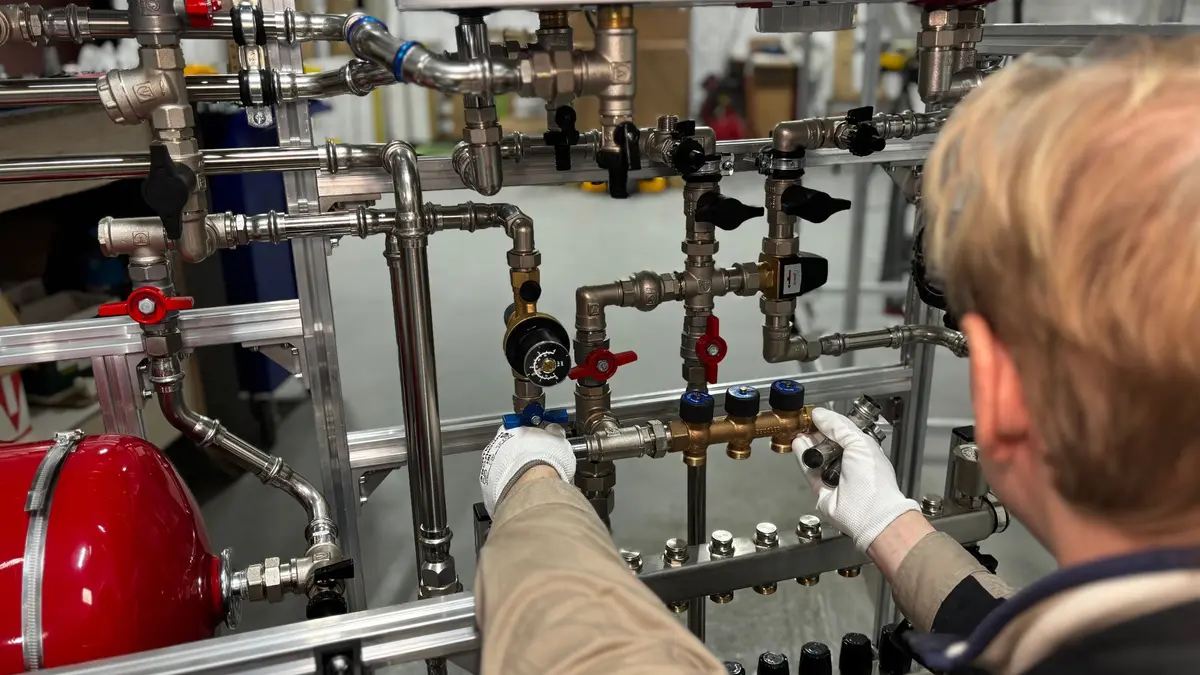
- Unvented hot water cylinders store water under pressure and come with safety valves that must be fitted and maintained properly, so they are not a home project.
- Any room with a fuel burning appliance benefits from a carbon monoxide alarm, tested regularly.
Beyond the legal side, the most useful safety habit costs nothing: find your internal stopcock now, check that it turns, and make sure everyone in the house knows where it is. In a leak, those first minutes matter more than anything else.
How a plumbing job usually runs from first contact
Knowing the order of events takes much of the uncertainty out of getting work done. With EF Heating, it runs like this.
- You describe the problem through the quote form, with photos if you can take them, and note when it started.
- A person reads your request and replies to arrange a visit at a time that suits you.
- On the visit, the fault is traced to its cause rather than just the visible symptom.
- You receive a written price before any work starts, so you can decide with the facts in front of you.
- During the work, water or heating is isolated only for as long as needed.
- Afterwards, everything is tested, and you are shown what was done and where the isolation valves are.
That last step is the one people most often skip, and it is the one that helps most next time. A home where the occupier knows where the valves are, what the boiler pressure should read and which signs to watch is a home where small faults stay small.
Spotted one of these warning signs at home? Request a quote from EF Heating through the form and have it looked at while it is still a small job.