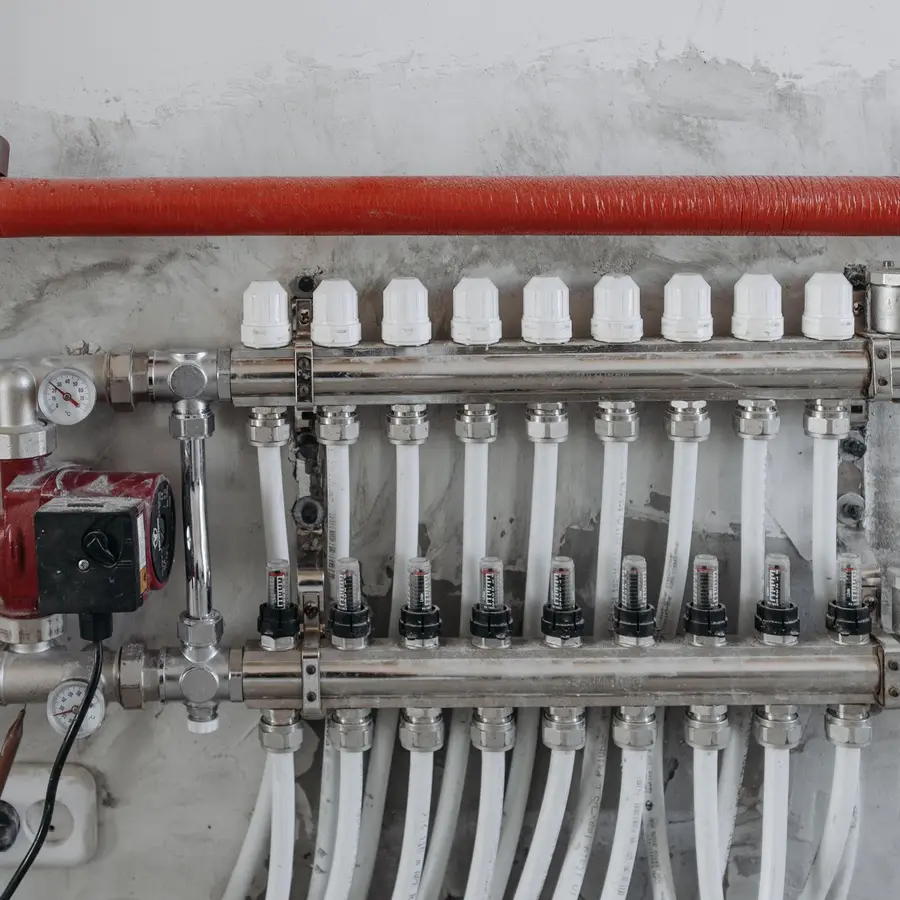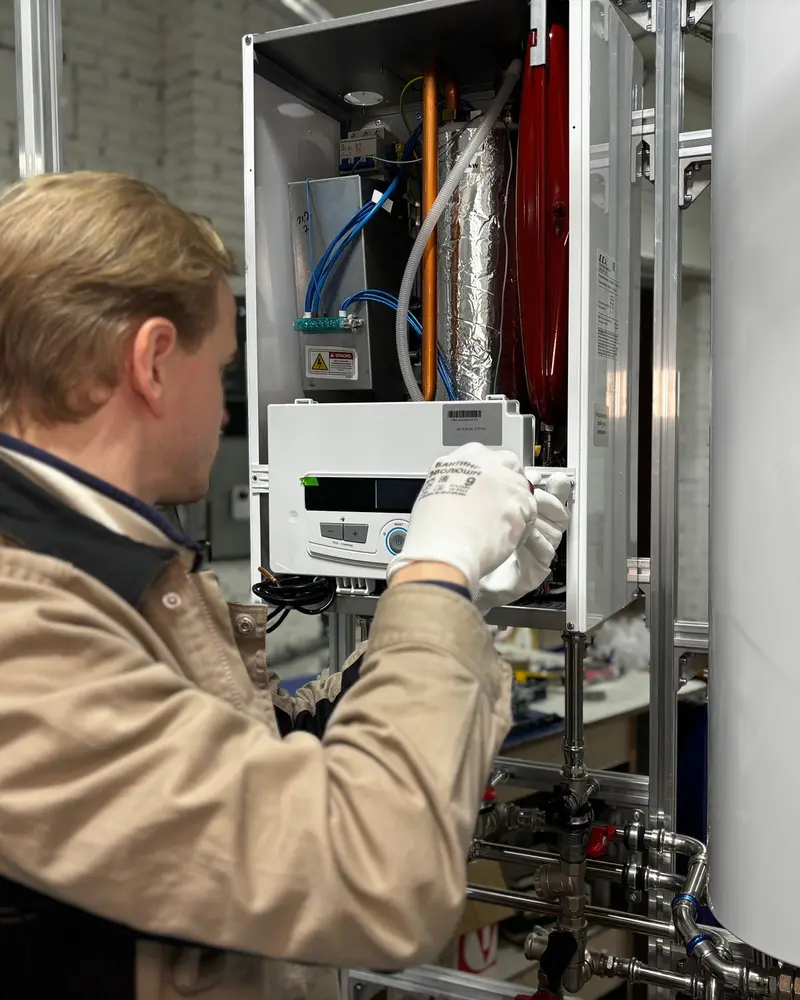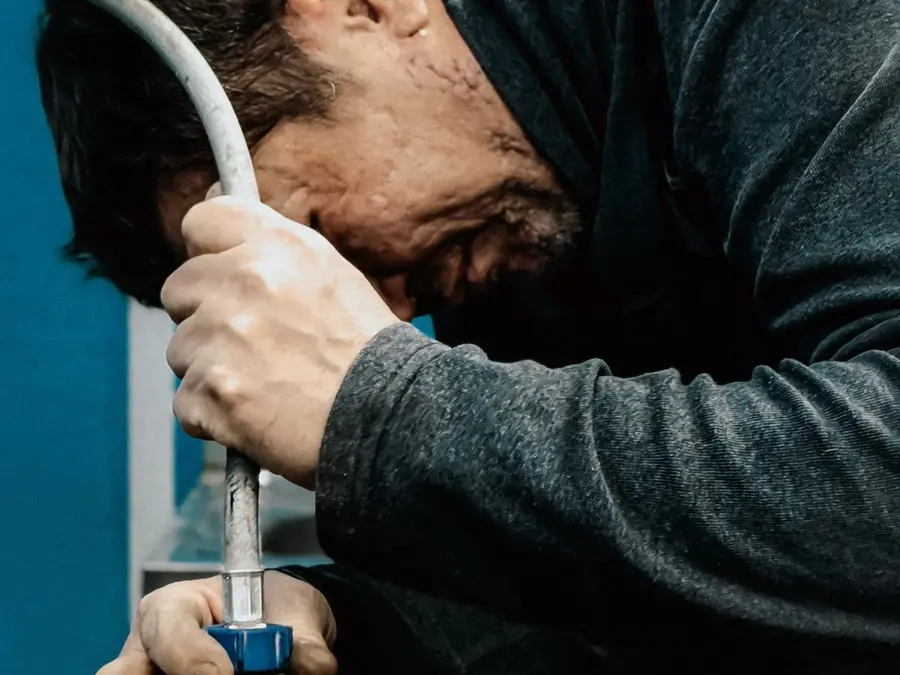
A split pipe under the floor, a ceiling bulging with water, a cistern that will not stop filling: these are the moments people look for an emergency plumber. EF Heating handles urgent plumbing across Beckenham. When you tell us a job is an emergency, it is triaged ahead of planned work and we come back to you to arrange attendance as soon as we can.
We want to be straight with you. We do not advertise ourselves as a 24 hour plumber, and we will not promise an arrival time we cannot keep. What we do promise is that urgent requests are read and prioritised first, and that you are told honestly when someone can get to you. If another of the emergency plumbers you contact can reach you sooner, that is the right call.
Most emergencies can be brought under control by the householder in the first five minutes. The advice further down this page covers exactly that, so read it now and you will know what to do if it ever happens.
Emergency Plumbing Callout
Not every plumbing fault is an emergency, and knowing the difference saves you worry. These are genuine emergencies:
- Water escaping that you cannot stop at a local isolating valve
- Water coming through a ceiling or near electrics
- No water at all to the property, where neighbours still have supply
- A toilet that is the only one in the house and is overflowing or unusable
- Hot water discharging continuously from a cylinder pipe or tundish
A dripping tap, a slow-filling cistern or a weak shower can wait for a planned visit. To request an emergency callout, fill in the Quick Quote form and state that it is an emergency in the details box, with a line about what is happening. That flag is what moves it to the front.
Availability and How Urgent Jobs Are Prioritised
We are a working firm of heating engineers and plumbers, not a call centre. That means we cannot offer round-the-clock cover or a guaranteed arrival window, and we would rather say so plainly than find out at midnight that a promise was empty.
Here is how urgent work is actually handled. Every request marked as an emergency is triaged before anything else. We look at the risk: is water still escaping, is it near electrics, is anyone vulnerable in the house, is there any hot water or heating for an elderly person or a young baby in cold weather? The answer decides the order. We then contact you to confirm whether we can attend and roughly when.
If you have already stopped the water at the stopcock, the job often becomes a next-available repair rather than a race, which also tends to cost less. That is one more reason to learn where your stopcock is today.
Burst Pipes, Leaks and Water Shut-Offs
What you do in the first few minutes decides how much damage a burst pipe causes. Work through these in order:
- Close the stopcock. Usually under the kitchen sink, clockwise to shut. If it is seized, look for the outside stop tap under a small cover near your boundary.
- Keep away from wet electrics. If water is near sockets, light fittings or the consumer unit, switch off at the consumer unit only if you can reach it from a dry spot.
- Switch off the boiler and any immersion heater, so they do not run without water.
- Drain the system down. Open all cold taps, then flush the toilets, to empty what is left in the pipes.
- Protect the room below. If a ceiling is bulging, put a bucket underneath and move belongings away.
In 1920s flats near Beckenham's stations, a leak often reaches the flat below first. Let your neighbour know early so they can protect their home too.
Boiler, Heating and Hot Water Emergencies
If you smell gas, this is not a plumbing job. Open the windows, do not operate switches, turn off the gas at the meter if you can, leave the property and call the National Gas Emergency Service. The number is on your gas bill and usually on the meter.
For other heating and hot water problems, we are Gas Safe registered, so the same visit can cover water and appliance. Urgent heating situations include:
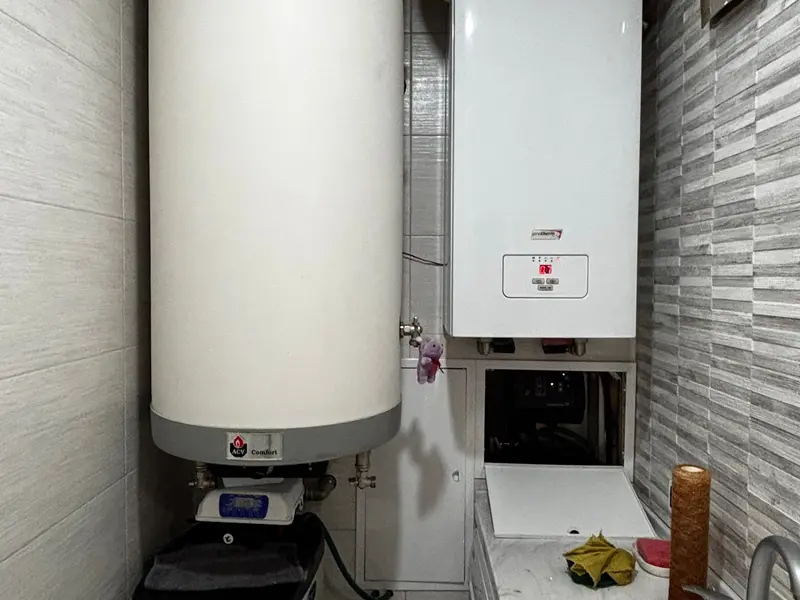
- An unvented cylinder discharging hot water through the tundish: switch off the boiler and immersion, then close the cold feed to the cylinder
- A combi boiler whose pressure keeps dropping to zero, which points to a leak somewhere in the heating circuit
- A leaking radiator valve or tail you cannot isolate
- No heating in freezing weather for an elderly or unwell occupant
Leaks at a single radiator can often be isolated by closing both valves. The permanent fix is then a planned radiator repair.
Common Emergency Repairs and Temporary Fixes
The first job on any emergency visit is to stop the water and make the property safe. Sometimes the full repair can be done there and then. Sometimes the right answer is a sound temporary fix now and a proper repair once the area has dried out, access is clear, or a specific part has been sourced.
Typical emergency work includes cutting out a split section of copper and joining it with new pipe, re-making a weeping compression joint, fitting an isolating valve so one fault no longer shuts off the whole house, capping off a damaged branch so the rest of the supply can be turned back on, and replacing a failed stopcock.
A repair clamp or push-fit coupling can be a perfectly good temporary measure, but we will tell you if that is what it is. We do not leave a temporary fix without explaining what the permanent job looks like.
An overflowing toilet or sink that backs up can also be a blocked drain rather than a supply problem. If so, you need blocked drain clearance instead.
Pricing and How Emergency Work Is Agreed
Emergencies are stressful enough without a bill you did not see coming. So the price is agreed with you before work starts, even when things are urgent.
In practice, that works in two stages. First, making safe: stopping the leak, isolating the fault and getting the rest of the house back on water. We tell you what that involves and what it will cost before we begin. Second, the permanent repair, if it cannot be finished on the same visit. That is quoted separately once the cause is clear, so you can decide how and when to go ahead.
A few things affect the cost of emergency plumbing work:
- Whether the water is already off when we arrive
- How much access is needed, for example lifting floorboards or cutting into a ceiling
- The parts required and whether they are carried as standard
If you plan to claim on home insurance, keep receipts and take your own photos of the damage for your insurer before it is cleaned up.
What You Can Expect From Us
Here is how we work on every urgent job, stated as practice rather than promise:
- An honest answer about timing. If we cannot get to you soon enough, we say so, so you can arrange someone else.
- Price agreed first. You hear what the work involves and what it costs before tools come out.
- Cause, not just symptom. We explain why the pipe failed, whether it was frost, corrosion, a poor joint or movement, so you know if it could happen elsewhere.
- Clear notes. You are told what was done, what is temporary, and what still needs attention.
We are heating engineers as well as plumbers, which helps when an emergency straddles both, such as a leak that has also dropped the boiler pressure. One visit can often deal with the whole problem.