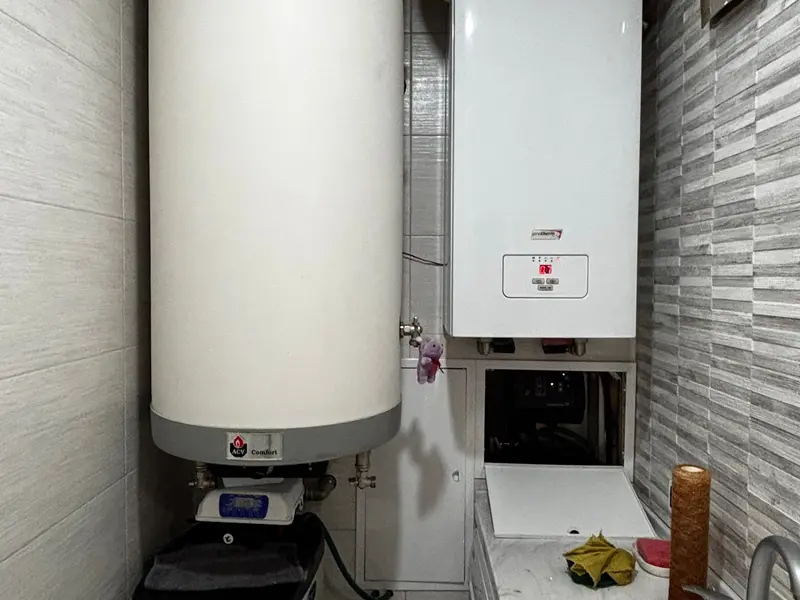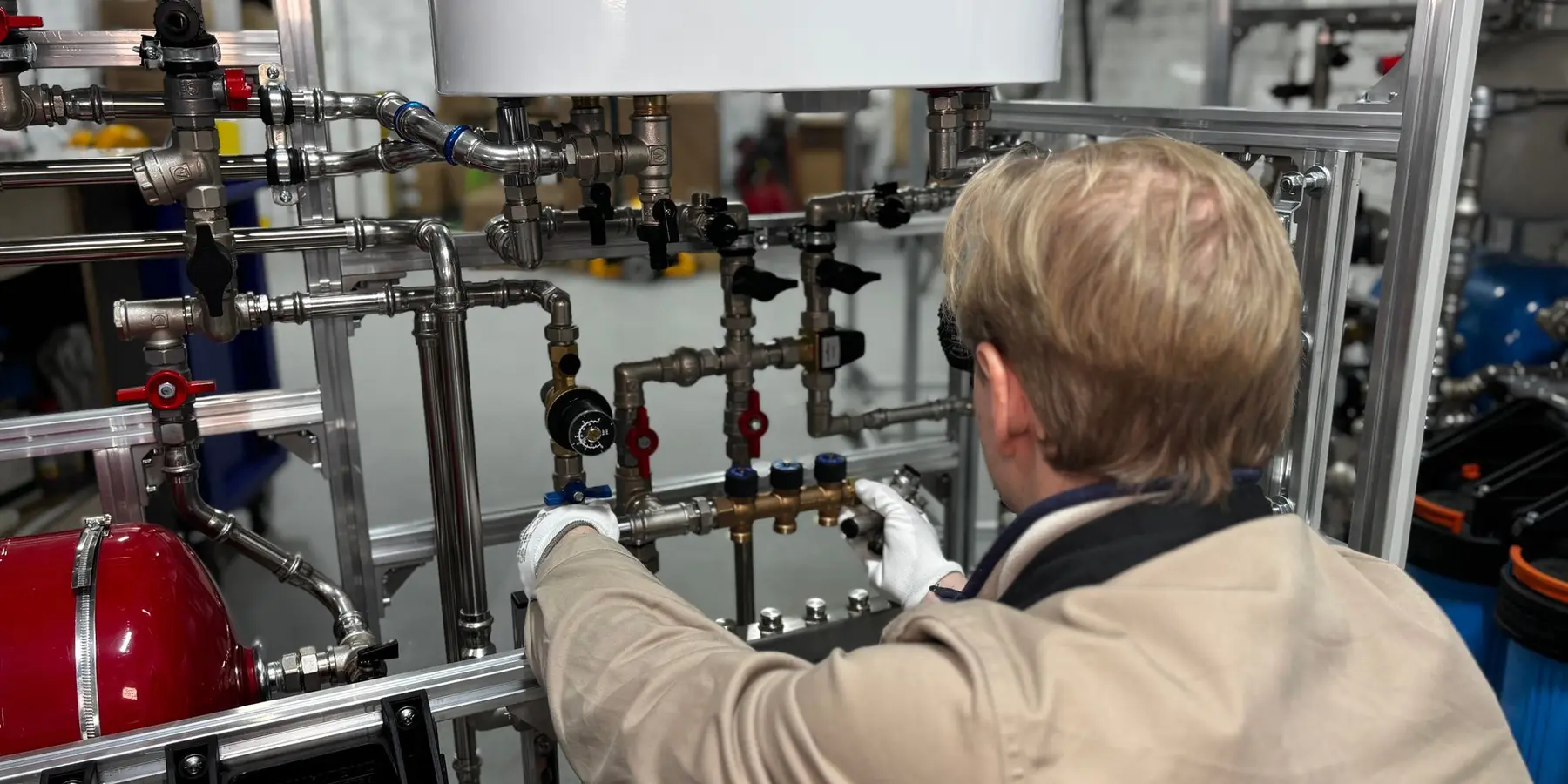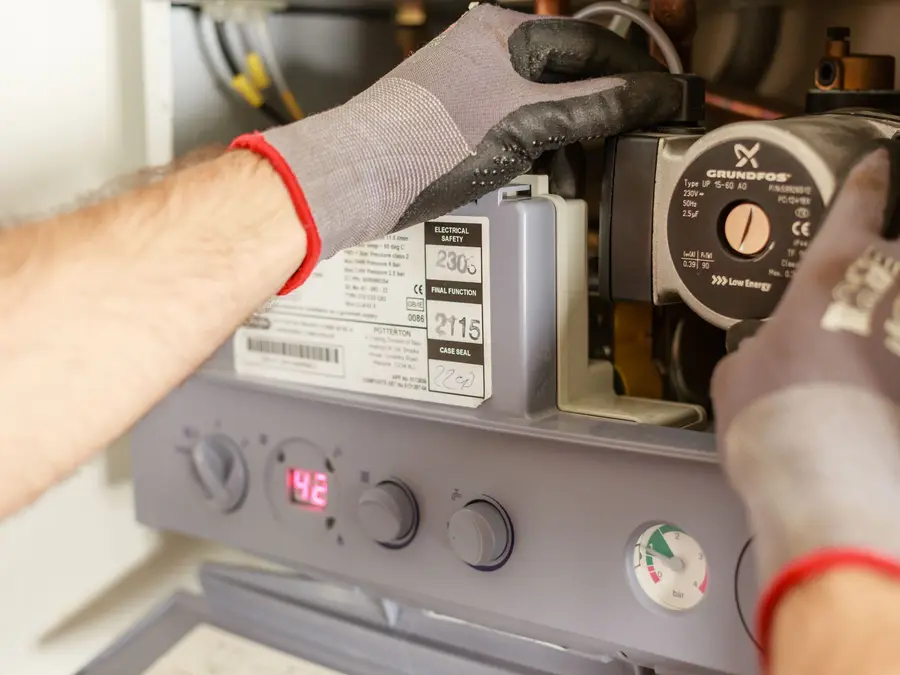
A boiler breakdown rarely comes at a good moment. The radiators go cold, the shower runs lukewarm and the display shows a code that means nothing to you. What you need is a boiler repair engineer who tests properly instead of swapping parts until something works. EF Heating is Gas Safe registered, Vaillant MasterTec qualified and a Glow-worm accredited installer, and we handle boiler repairs on most major makes.
Around Beckenham we see the same handful of faults again and again: pressure that keeps dropping, condensate pipes that freeze in a cold snap, diverter valves that stick and printed circuit boards that give up after years of heat. Each one has a clear set of symptoms, and knowing them helps you describe the problem when you get in touch.
Use the Quick Quote form to tell us the make, the fault code if there is one and what the boiler is or is not doing. If you mark it as urgent, the request is looked at first.
Urgent Boiler Breakdowns
Not every fault needs an emergency boiler repair. Some breakdowns can wait a day or two. Others cannot: a household with a newborn, an elderly relative or a boiler that is leaking water onto electrics needs quicker attention. When you fill in the form, say that it is urgent and explain why. Urgent jobs are prioritised when you tell us, and we will be honest about when an engineer can attend.
While you wait, a few checks are worth doing:
- Look at the pressure gauge. Below about 1 bar on most sealed systems, the boiler may lock out
- Check the thermostat and timer have not been knocked off or lost power
- Make sure the gas supply to the hob, if you have one, is working
- Try a single reset. If it locks out again, stop and leave it
If you smell gas, turn off the supply at the meter, ventilate and call the National Gas Emergency Service before anything else.
Diagnosis on the First Visit
Our approach is to test before we replace. The engineer reads the fault history where the boiler stores one, watches the ignition sequence, measures gas pressure at the appliance and checks components with a meter instead of guessing.
Many repairs are finished on the first visit because the fault is clear and the part is common. Others need a part ordered, particularly on older or less common boilers. We cannot promise every fix in one trip, but we can promise that you will know what is wrong, what it involves and what it will cost before we leave.
If the boiler is unsafe to use, it will be made safe and labelled, and the reason will be explained to you in writing. If it is safe but struggling, you can decide whether to keep using it until the repair is done.
Boiler Faults and Common Breakdown Causes
A fault code is the boiler telling you which safety check it failed. It narrows the search, though it rarely names the exact broken part. These are the faults we see most often:
- Low pressure from a small leak, a weeping pressure relief valve or a failed expansion vessel
- Frozen condensate pipe in winter, often on external runs. Pour warm (not boiling) water along the pipe, or hold a warm cloth on it, then reset the boiler
- Failed diverter valve, where you get heating but no hot water, or the other way round
- Seized or noisy pump, or a fan that no longer proves airflow
- Ignition lockout or a failed PCB that stops the boiler firing at all
Sludge in the system is behind many repeat pump and heat exchanger faults. If that is the root cause, a power flush may be recommended alongside the repair.
How Repair Prices Are Agreed
We do not publish price lists for repairs, because the cost depends on the fault, the part and how hard the boiler is to work on. A diverter valve on one model is a straightforward swap; on another the boiler has to be half dismantled.
What we do is simple. Once the fault is found, you are told the likely repair, the part needed and the price. Nothing extra is fitted without your agreement. If the first repair uncovers a second problem, you hear about it and approve it before work continues.
When you request a Quick Quote, include the boiler make, model if you know it, the fault code and a short description of what is happening. The more detail you give, the more accurate the conversation about cost can be from the start.
Parts, Labour and Replacement Components
Where possible we fit genuine or manufacturer-approved parts. Cheaper look-alike components can fit physically but may not match the boiler's settings, and on a gas appliance that matters.
Commonly replaced components include pumps, diverter valves, fans, gas valves, ignition and flame sensing electrodes, pressure sensors, expansion vessels and PCBs. On combi boilers, the plate heat exchanger that heats your tap water can also clog in hard water areas.
At some point, repair stops making sense. If the boiler is old, has had several major parts replaced, uses parts that are no longer made or needs a new main heat exchanger, replacement may be the better use of your money. We will tell you when that point has been reached and why, and leave the choice with you.
Gas Safe Engineers and Safety Compliance
Any work on a gas boiler must be done by a Gas Safe registered engineer. That is the law, and it is also common sense: a poorly refitted flue or gas valve can put carbon monoxide into your home.
After any repair that touches the gas or combustion side, the engineer carries out:
- A gas tightness test on the installation
- A combustion check with a flue gas analyser
- A check that the flue is sealed and safely terminated
- Tests of safety devices and controls
You can check any engineer's registration on the Gas Safe Register before they arrive. Ask to see the ID card on the day; a genuine engineer will be happy to show it.
Boiler Brands and System Types
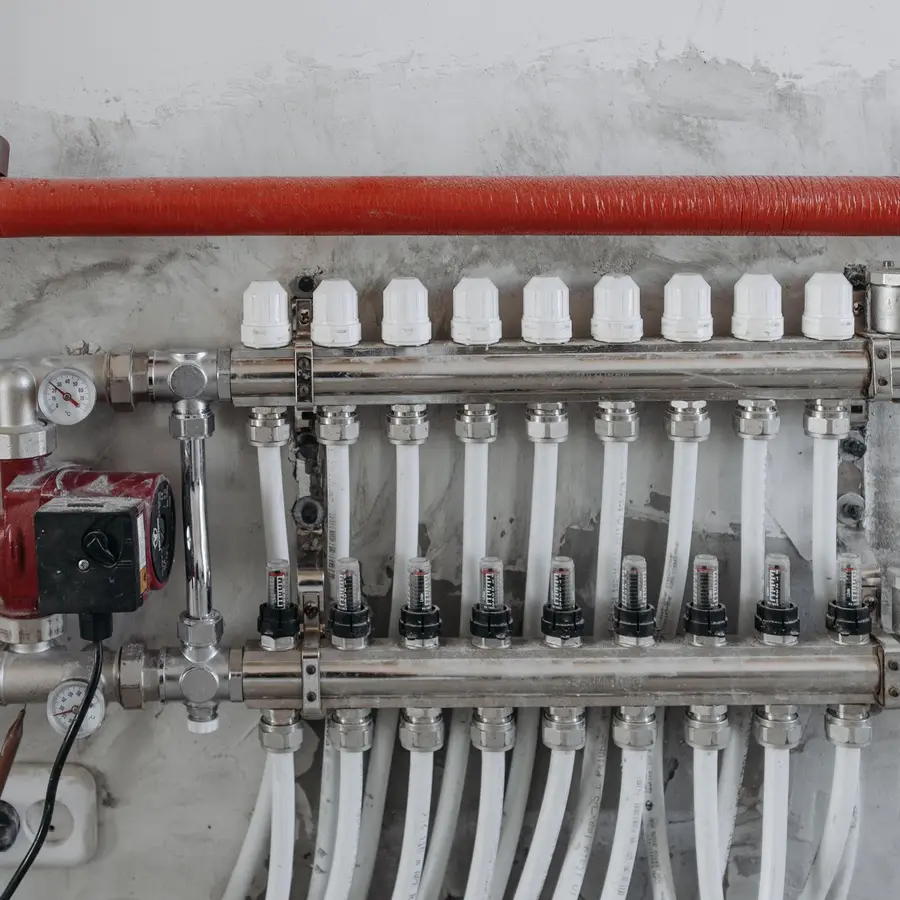
We repair combi boilers, system boilers and heat-only (regular) boilers from most major makers. Vaillant and Glow-worm are areas of particular familiarity through our MasterTec qualification and accredited installer status, and we also work on Worcester Bosch, Baxi, Ideal and Viessmann among others.
The system type changes the fault-finding. A combi with hot water but no heating points one way. A system boiler with a cylinder has more components in play: motorised valves, cylinder thermostats and sometimes an unvented cylinder with its own safety devices. If the hot water problem is in the cylinder rather than the boiler, we can look at hot water cylinder repairs on the same visit.