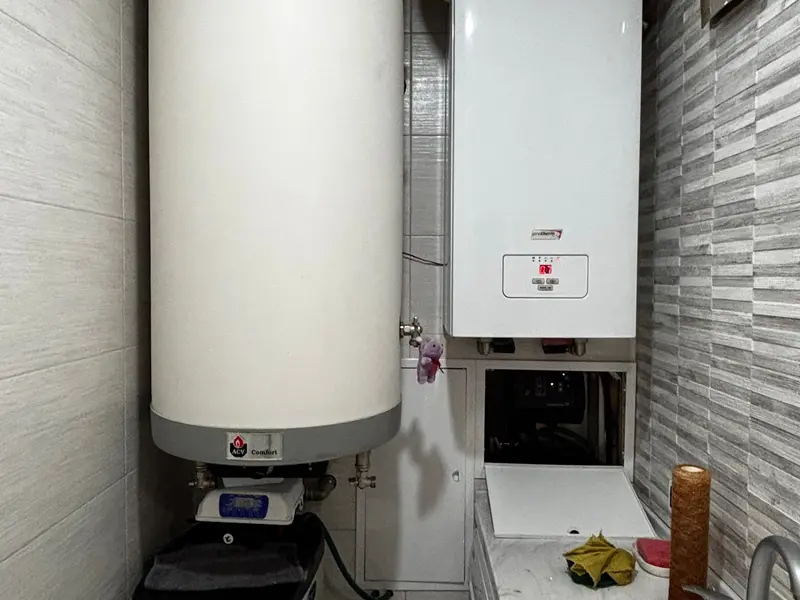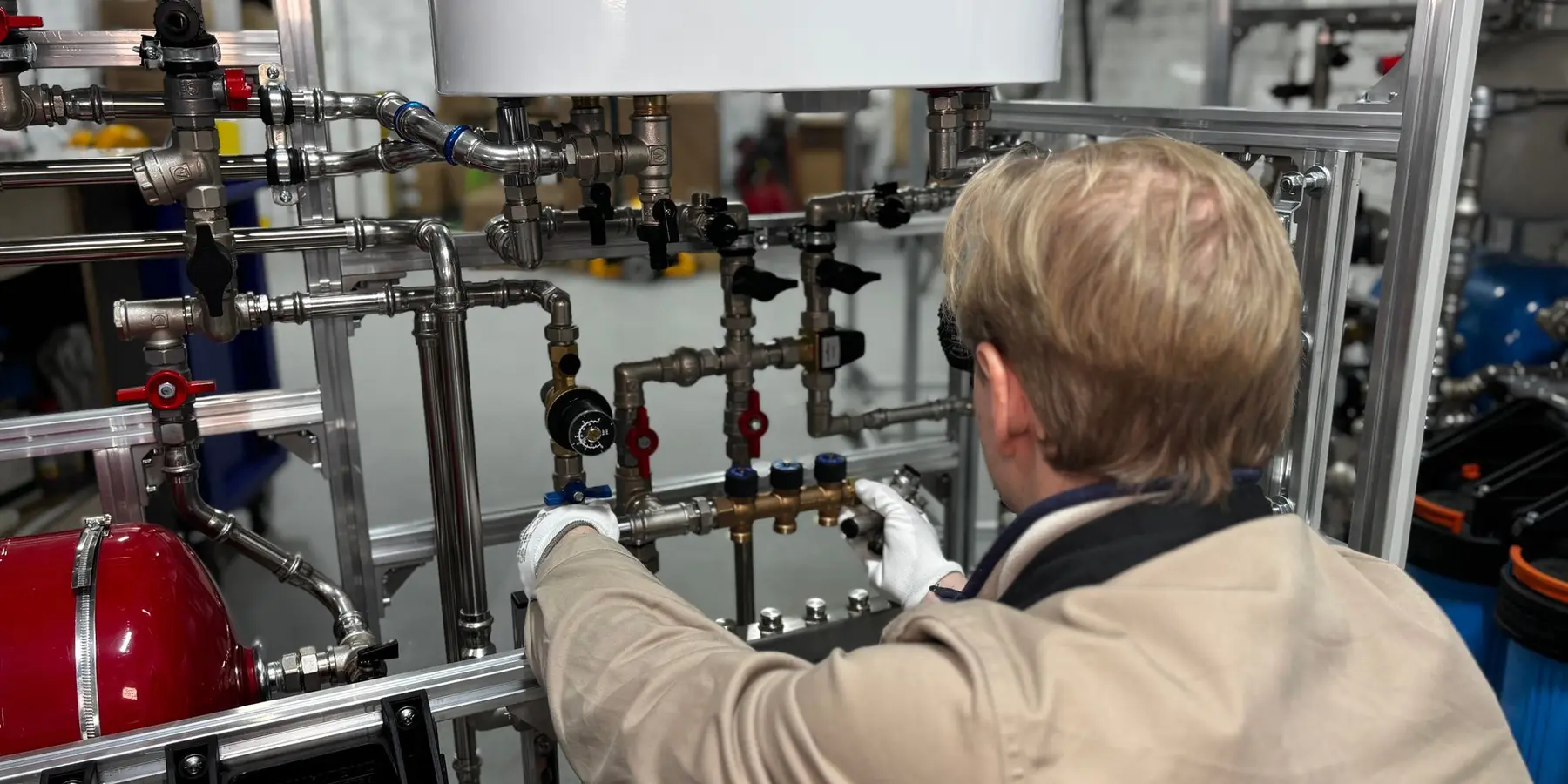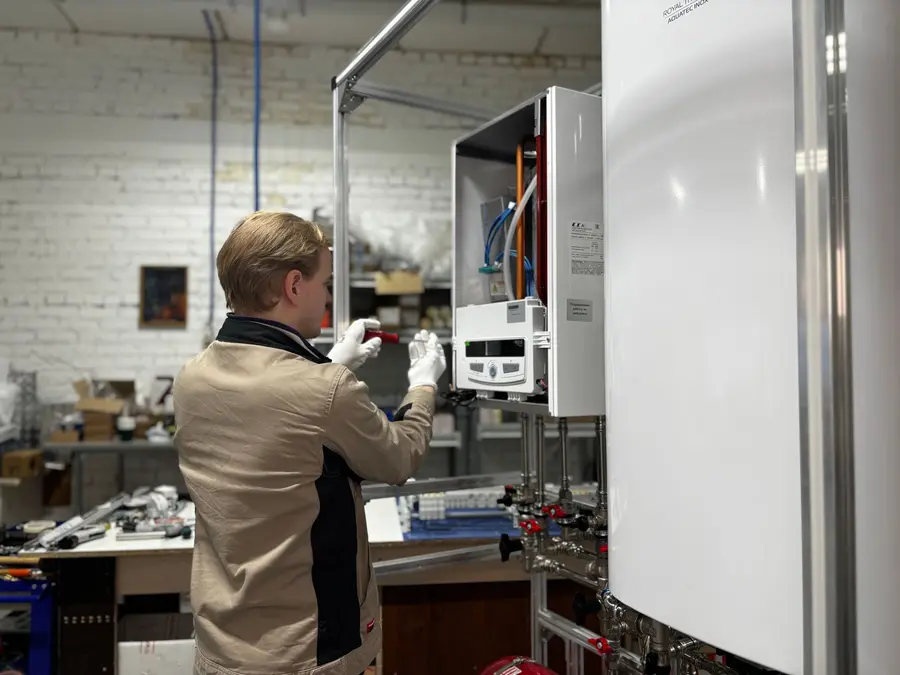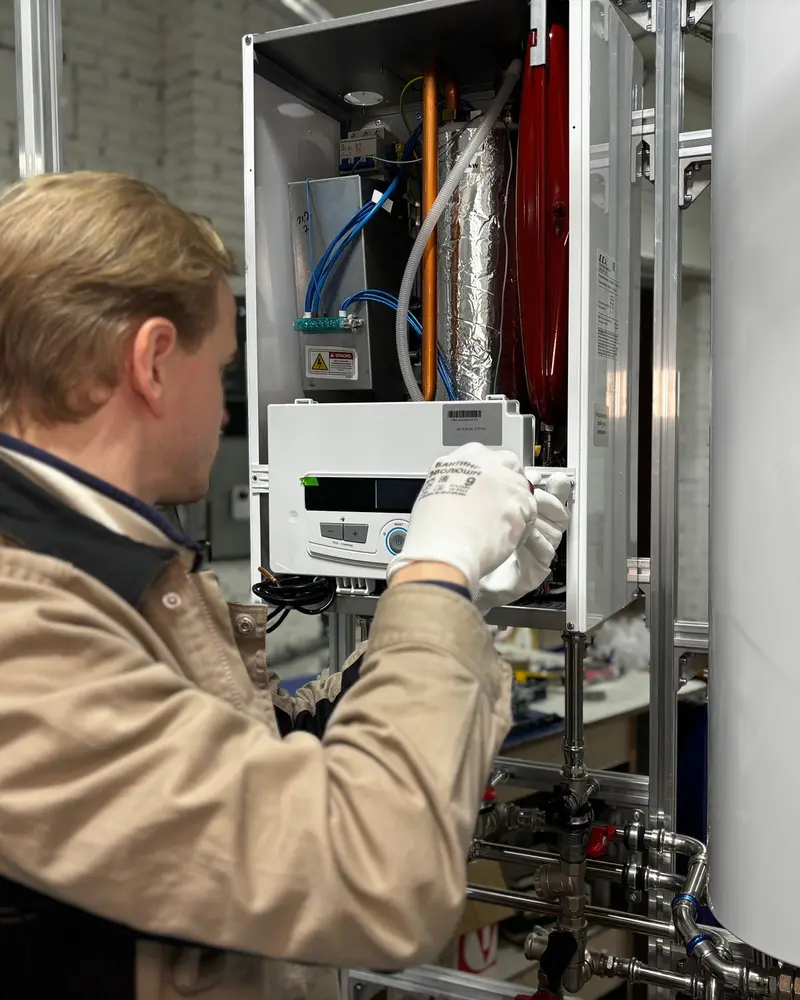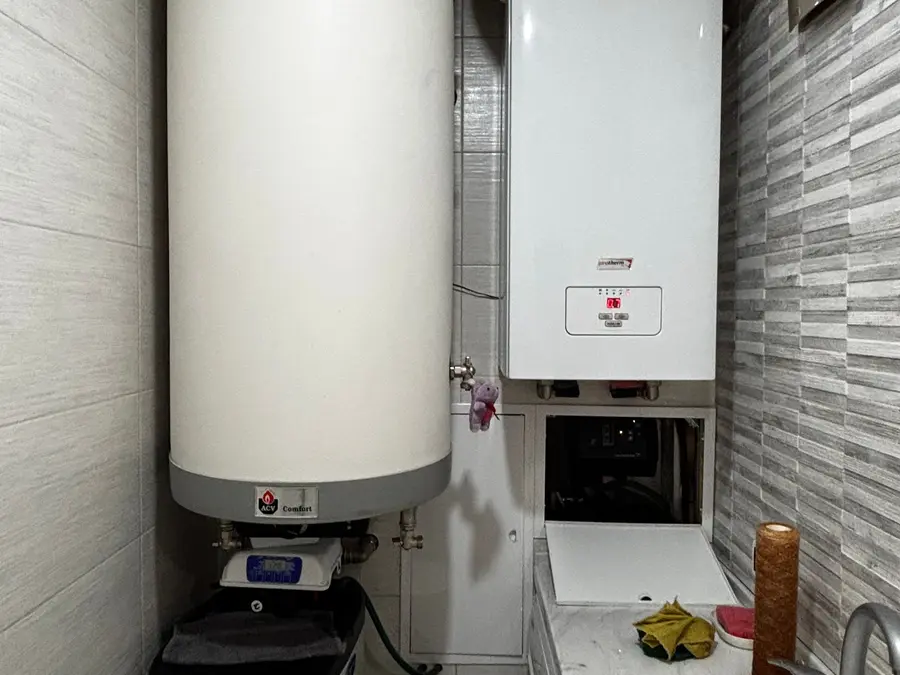
If your home has a system or regular boiler, your hot water almost certainly lives in a hot water cylinder. It sits quietly in an airing cupboard or loft for years, then one morning the shower runs cold. We look after hot water cylinders across Beckenham: diagnosing faults, repairing controls and immersion heaters, and replacing tired copper tanks with modern insulated units.
Much of our work is unvented cylinder installation, where a mains-pressure cylinder replaces an old gravity system and the cold water tank in the loft can come out. We also handle straightforward hot water cylinder replacement where the existing vented setup still suits the house. In the Clock House and Kent House streets, plenty of Victorian homes still run on a loft tank feeding a copper cylinder, and the right answer is not always to change it.
Whether it is a hot water cylinder repair or a full hot water cylinder installation, we start by working out what you have, what it is doing, and what your house can support before recommending anything. That means reading the cylinder label, testing the controls that call for heat, and measuring the water pressure coming into the property. A cylinder that looks finished can sometimes be saved with a new thermostat or immersion, and a working one can still be the wrong choice if you are planning a heat pump.
Hot Water Cylinder Types
Two questions decide what kind of cylinder you have. First, how is it fed with cold water? Second, how is the water inside heated?
- Vented (open vented): fed by gravity from a cold water tank in the loft, with an open vent pipe. Pressure depends on the height of the tank, so upstairs showers are often weak.
- Unvented: fed directly from the mains at mains pressure. No loft tank, stronger flow at every tap, but it needs a set of safety controls to work.
- Direct: heated by one or more electric immersion heaters inside the cylinder.
- Indirect: heated by a coil carrying hot water from your boiler, usually with an immersion as a backup.
Most homes have an indirect cylinder, vented or unvented. There are also heat pump ready cylinders, which have a much larger coil so that the lower flow temperatures of a heat pump can still heat the stored water properly. If a heat pump is on your horizon, it is worth knowing that before choosing a replacement.
Unvented Cylinder Installation
An unvented cylinder holds hot water under mains pressure, so it cannot simply be plumbed in like an old copper tank. It relies on a group of safety components, each with a specific job:
- A pressure-reducing valve to hold incoming mains pressure at the level the cylinder is designed for.
- An expansion vessel to absorb the extra volume as water heats up.
- A temperature and pressure relief valve that opens if the water gets too hot or the pressure too high.
- A tundish and discharge pipe to carry any released water safely away where it can be seen.
Before we quote, we check your incoming mains pressure and flow rate, because an unvented cylinder is only as good as the supply feeding it. Houses with a narrow old lead or iron main can be disappointing without upgrading the supply. We also plan the discharge pipe route early, since it has to run to a safe, visible termination point. Unvented work is carried out by a G3-qualified installer.
Cylinder Repairs and Fault Diagnosis
Most cylinder faults fall into a handful of patterns, and the symptom usually points to where to look first.
- No hot water at all: often the boiler is not being asked to heat the cylinder, which points to the cylinder thermostat, the programmer or a stuck motorised zone valve.
- Lukewarm water: a cylinder thermostat set too low or failing, or a zone valve that only opens partway.
- Immersion not heating: a failed element or immersion thermostat, both replaceable in most cylinders.
- Water leaking at the base: could be a fitting, or could be the cylinder itself corroding through. We establish which before anything else.
We test the electrical signals to each control rather than guessing and swapping parts. That way you pay for the component that actually failed, and we can tell you honestly when a hot water cylinder repair makes sense and when the cylinder has reached the end of its life.
Cylinder Servicing and Safety Checks
Manufacturers of unvented cylinders recommend an annual service, and many make it a condition of their guarantee. It is not a quick glance. A proper service covers the parts that keep a pressurised cylinder safe.
We check the expansion vessel charge and top it up if it has dropped, because a flat vessel is a common reason for water appearing at the tundish. We manually operate the temperature and pressure relief valve and the expansion relief valve to make sure they open and reseat. We check the pressure-reducing valve and clean its strainer, confirm the thermostat and high-limit cut-out are working, and look over the discharge pipe run.
Vented cylinders need less attention, but it is still worth checking the loft tank for debris, a sound lid and a working float valve. If your boiler is due at the same time, it makes sense to book an annual boiler service alongside so both are looked at in one visit.
Replacement and Upgrades
Old copper cylinders often have thin or missing factory insulation, slow recovery coils and immersion bosses that have started to weep. When one of them fails, you have a real choice to make rather than a like-for-like swap.
Staying vented keeps things simple and suits houses with a weak mains supply. A modern foam-lagged vented cylinder loses far less heat than the old jacketed type and usually fits the same cupboard. Moving to unvented gives mains-pressure hot water throughout and frees up the loft, but it depends on good incoming pressure and flow and needs space for the safety controls.
If a heat pump is likely in the future, a heat pump ready cylinder with a larger coil can save you replacing it twice. For a hot water cylinder replacement we measure the space, check pipework sizes and talk through recovery times for your household before settling on the size.
Costs and Quotes
We do not publish prices, because two cylinder jobs rarely look alike. What drives the cost is the work around the cylinder as much as the cylinder itself.
- Vented or unvented, and the capacity your household needs.
- Whether the existing cupboard fits the new unit or needs altering.
- The discharge pipe route and how far it has to travel.
- Removing a loft tank and capping redundant pipework.
- Any upgrade to the incoming water main, controls or zone valves.
Once we have seen the space and checked your supply, you get a written quote that sets out what is included. Start with Quick Quote Online and tell us what you have now and what you want from it.
Regulations, Certification and Building Control
Hot water storage falls under Building Regulations Part G, and the section dealing with it is G3. Installing an unvented cylinder over a certain size is notifiable building work, which means building control must be informed, either directly or through a competent person scheme that allows the installer to self-certify.
G3 also requires that anyone fitting an unvented system is competent to do so, which in practice means holding an unvented hot water qualification. Unvented work on our jobs is carried out by a G3-qualified installer, and you should receive the paperwork showing the installation has been notified.
Keep that paperwork with your house documents. Solicitors often ask for it when a property is sold, and a missing certificate for an unvented cylinder can hold up a sale. Where the cylinder is heated by a gas boiler, any gas work involved is done by a Gas Safe registered engineer.
Urgent Cylinder Faults
Some cylinder problems can wait a few days. Others should not. If water is running from the tundish or discharge pipe, a safety valve has opened because temperature or pressure has gone beyond normal limits. Stop using the hot water, switch off the boiler and immersion heater, and do not touch the discharge pipe, as it may be very hot. Then get it checked.
A cylinder leaking from its base is the other one to act on. Turn off the cold feed to the cylinder, or the stopcock if you cannot find it, and switch off the heat sources.
When you fill in the Quick Quote form, tell us it is urgent and describe what you are seeing, so it is triaged ahead of routine work. For water escaping elsewhere in the house, our emergency plumber page explains what to isolate first.