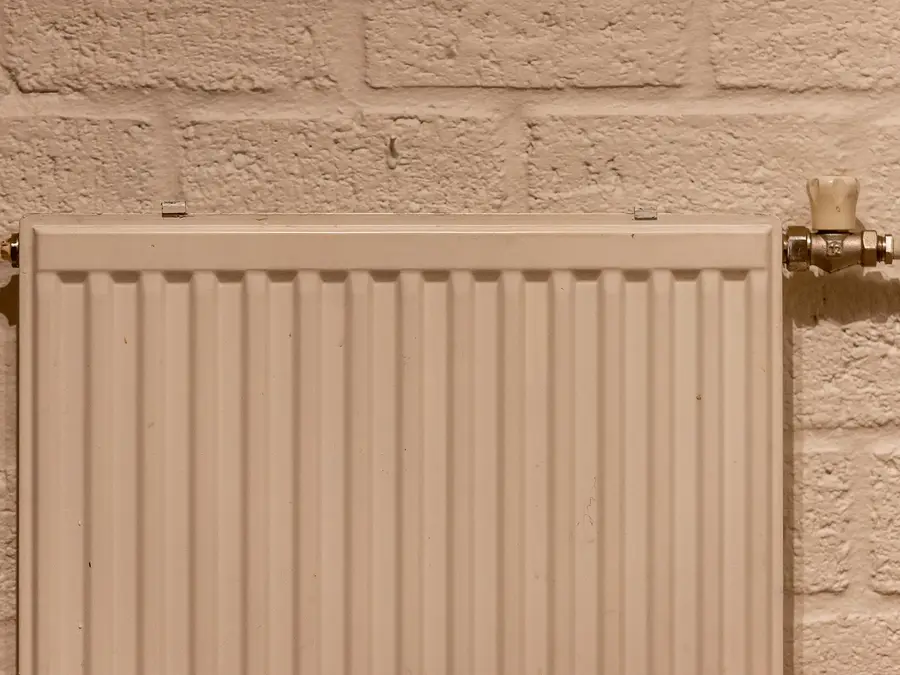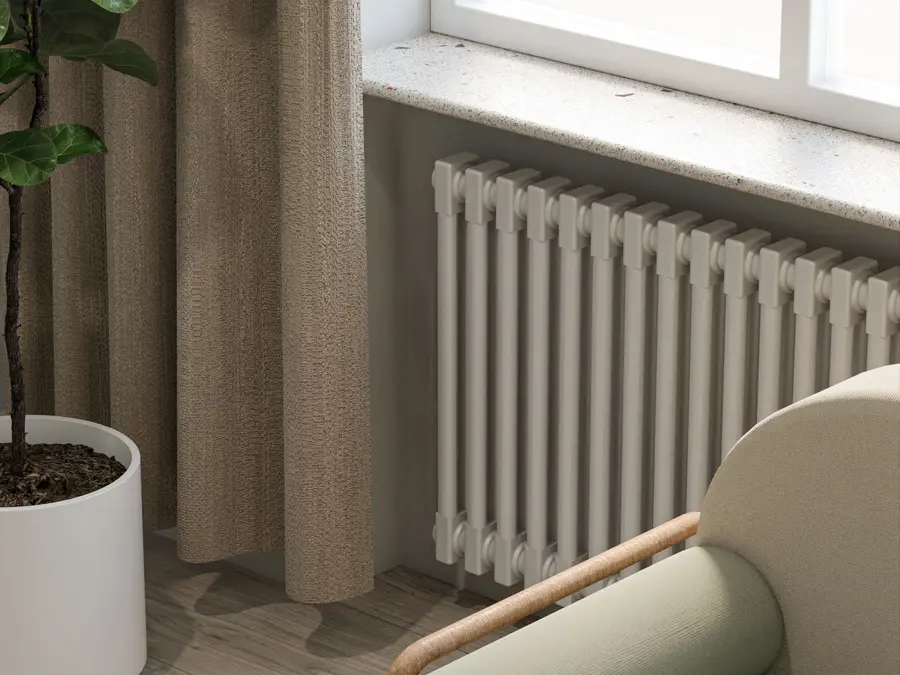
A radiator only has a few parts: the panel or columns, two valves, a bleed screw and the pipe tails. When something goes wrong, the symptom usually tells you which part. EF Heating handles radiator repair across Beckenham, from a weeping valve that has left a stain on the carpet to a room that stays cold however high the thermostat is set.
Some radiators are past saving. A panel that has rusted through from the inside will keep leaking, so radiator replacement is the honest answer. We match the new radiator to your pipe centres where possible, so the swap is neat and the floor stays untouched. The new radiator is sized to the room's heat needs, not just to the gap on the wall, because an old panel that never quite warmed the room is not worth copying.
We also handle radiator installation where there was none before. Radiator fitting in a new position might mean an extra radiator in a converted loft room, a cast iron column radiator for a period front room, or moving an old panel to make space for kitchen units. New pipe runs are planned so the added radiator gets enough flow without starving the rooms around it.
Radiator Repair and Replacement
Deciding between repair and replacement comes down to where the fault is. Valves, bleed screws and tail joints can all be repaired or renewed. The panel itself cannot. Pinhole leaks caused by internal corrosion mean the steel is thinning from the inside, and a patch or sealant will not last, so the radiator should be replaced.
For replacements, we measure the pipe centres, the distance between the two valves, and look for a modern radiator with the same or close spacing and the right heat output for the room. Where the centres do not match, the tails are adjusted or the pipe drops altered so the new radiator sits level and looks tidy.
- Old radiator drained, removed and taken away
- New brackets fixed to suit the wall construction
- Valves renewed at the same time where they are worn
- Refilled, bled and checked for leaks
Radiator Valve Repairs
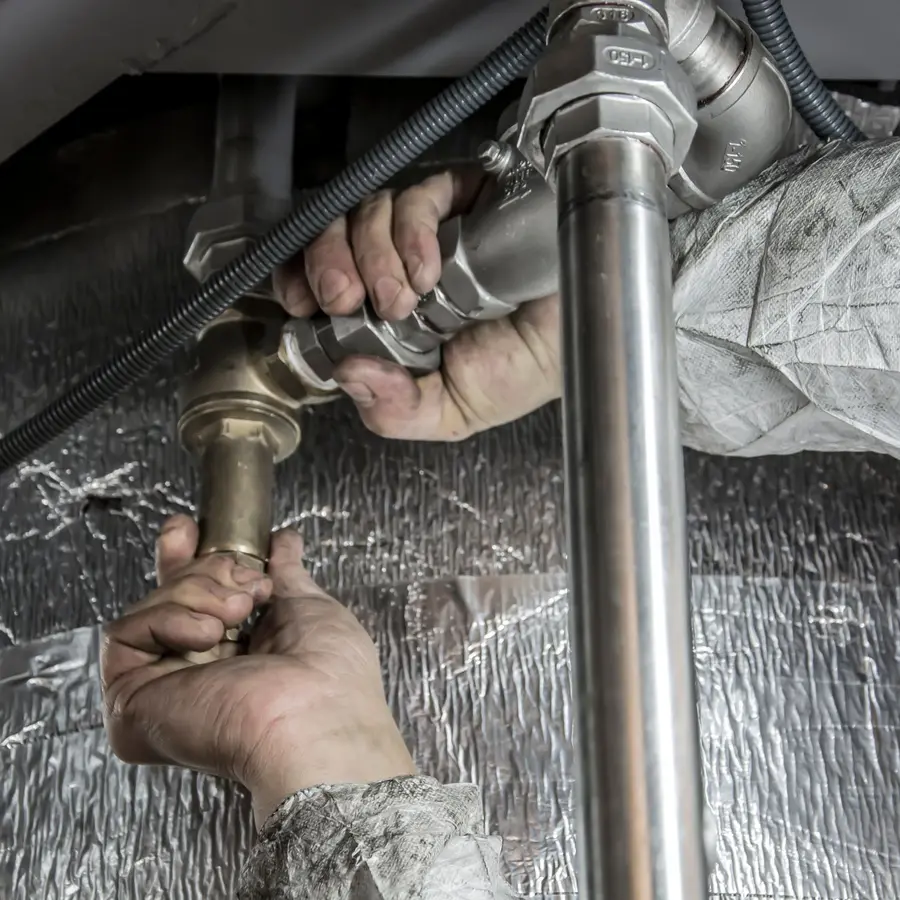
Most radiator leaks come from the valves, not the radiator. A slow drip from under the valve head is usually the gland, the seal around the spindle. It can often be tightened slightly or repacked. A drip where the valve meets the radiator points to the tail joint, which needs remaking with fresh sealant or a new olive.
Thermostatic radiator valves have their own weak spot. Over summer, when the heating is off, the pin under the TRV head can stick down. In autumn the radiator stays cold even with the dial on full. Taking the head off and freeing the pin sometimes solves it; if the pin keeps sticking, the valve body is replaced.
Where a valve needs changing, some can be swapped with the system drained only partly, or by freezing the pipe. On a sealed system, the pressure is restored afterwards and the boiler checked.
Common Radiator Faults and Symptoms
Where a radiator is cold tells you a lot about why.
- Cold at the top, warm below: air has collected. Bleeding the radiator should fix it
- Cold at the bottom, warm above: sludge has settled inside, which bleeding will not touch
- Cold all over: a closed or stuck valve, a sticking TRV pin, or the system is out of balance
- Hot at one end only: often poor flow, from a partly closed lockshield or a blockage
- Water on the floor: valve gland, tail joint or a corroded panel
On a sealed system, bleeding lets water out as well as air, so the pressure on the boiler gauge drops. Top it back up with the filling loop to the figure given in your boiler manual, usually around 1 to 1.5 bar when cold. If the pressure keeps falling without bleeding, there is a leak or a boiler fault, and a boiler repair visit may be needed.
How the Repair Process Works
We start by looking at the whole symptom, not just the radiator you point to. If three rooms are cold, the cause may be the pump or balancing rather than three separate radiator faults.
Next, we check the simple things: are both valves open, is the TRV pin moving, is there air at the top. Then we feel or measure temperatures across the panel to see whether the problem is air, sludge or flow.
For repairs, we isolate the radiator using its valves where they still close, drain only what is necessary, and do the work. For replacements, the old radiator comes off, pipe centres are checked, and the new one is hung and connected. Once refilled, every radiator we have touched is bled, checked for leaks and run up to temperature. Where many radiators are heavy with sludge, we will tell you, as replacing one while the rest stay dirty rarely lasts.
Heating System Checks and Balancing
A radiator that works perfectly on its own can still be the cold one in the house if the system is not balanced. Water takes the easiest route, so radiators close to the boiler hog the flow and those at the far end starve.
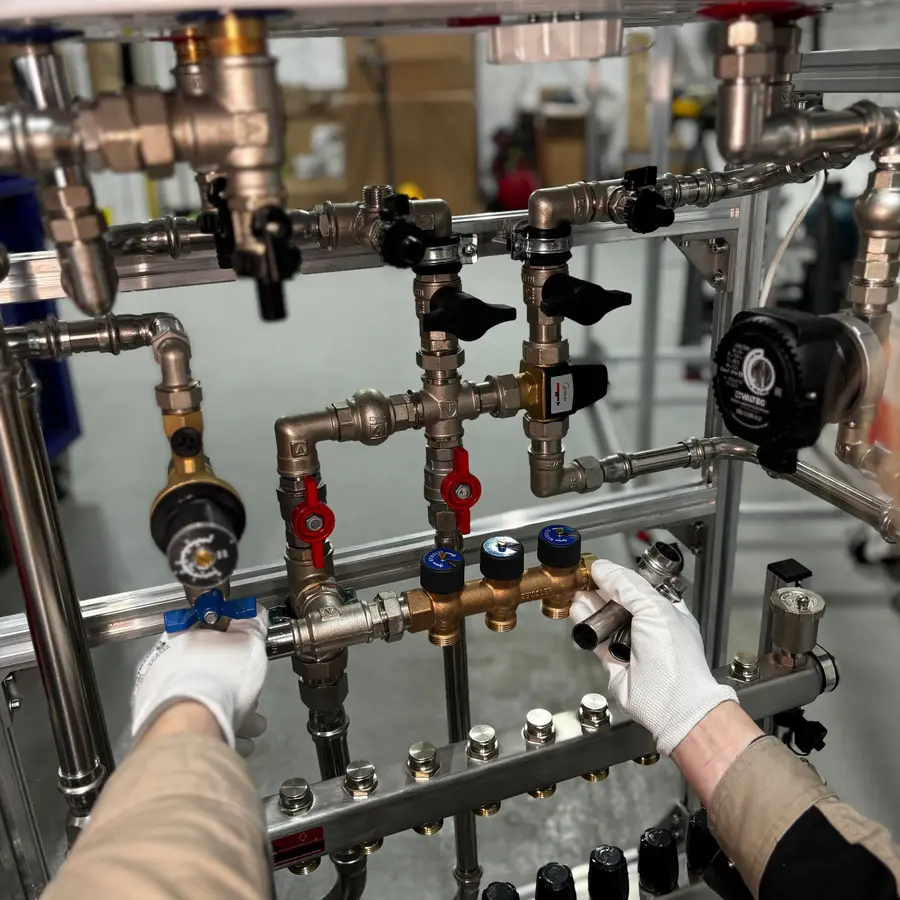
Balancing is done with the lockshield valve, the one with a plain plastic cap, on each radiator. We run the heating, measure the flow and return temperatures, then close down the lockshields on the nearest radiators and open up the furthest until every radiator heats evenly with a similar temperature drop across it.
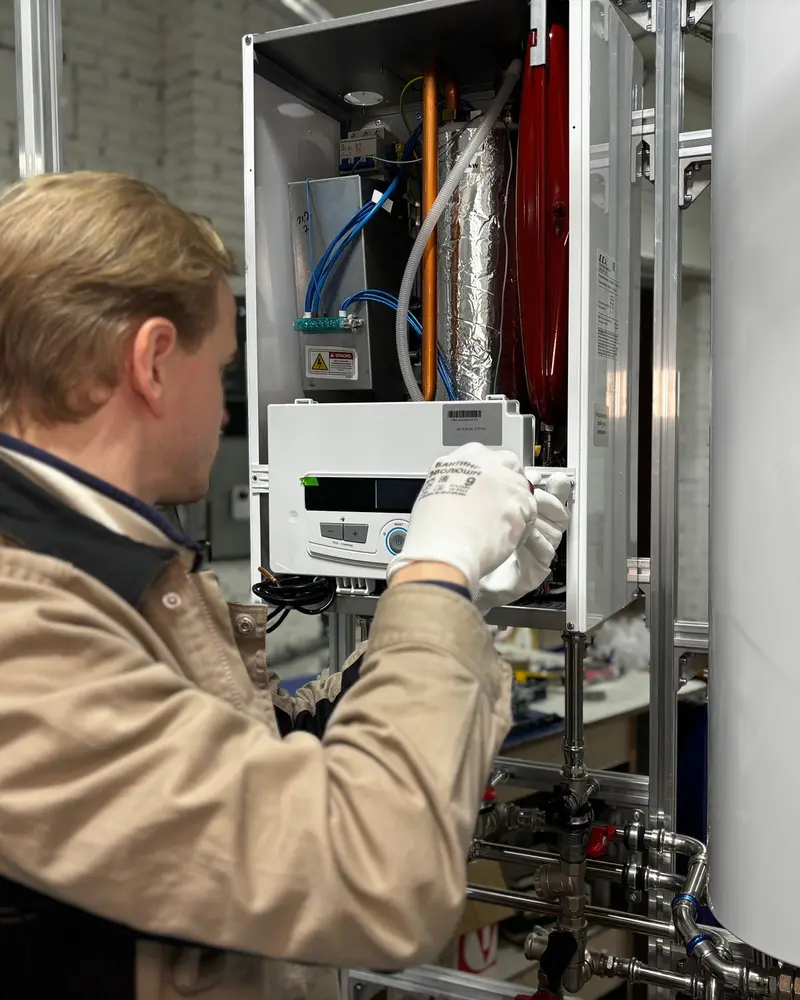
While we are there, we check the system pressure, look at the expansion vessel on sealed systems and glance at the magnetic filter if one is fitted. It is also worth doing when heated towel rails are added during bathroom fitting and repairs, as a new radiator changes how flow is shared.