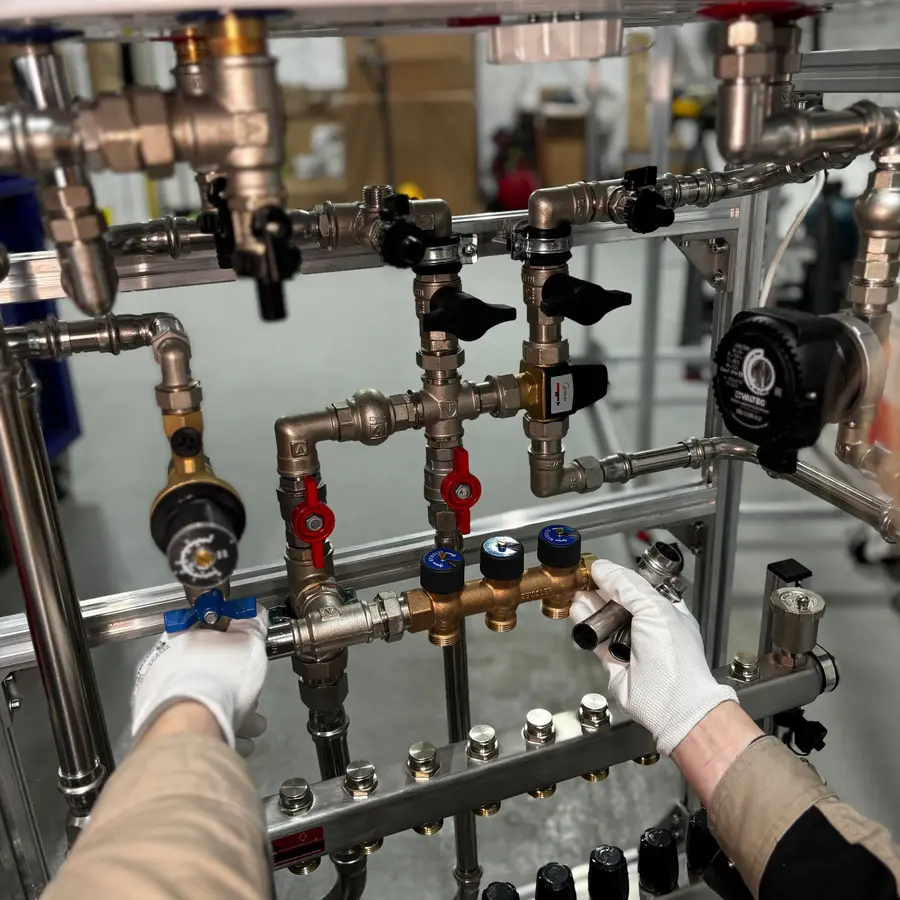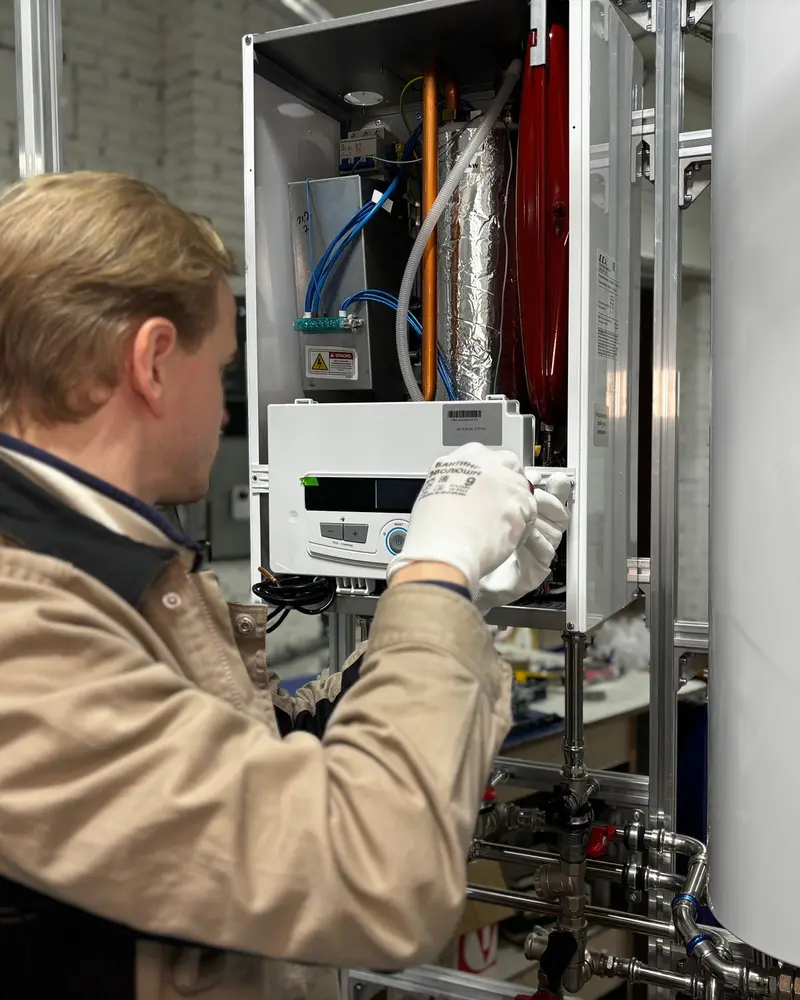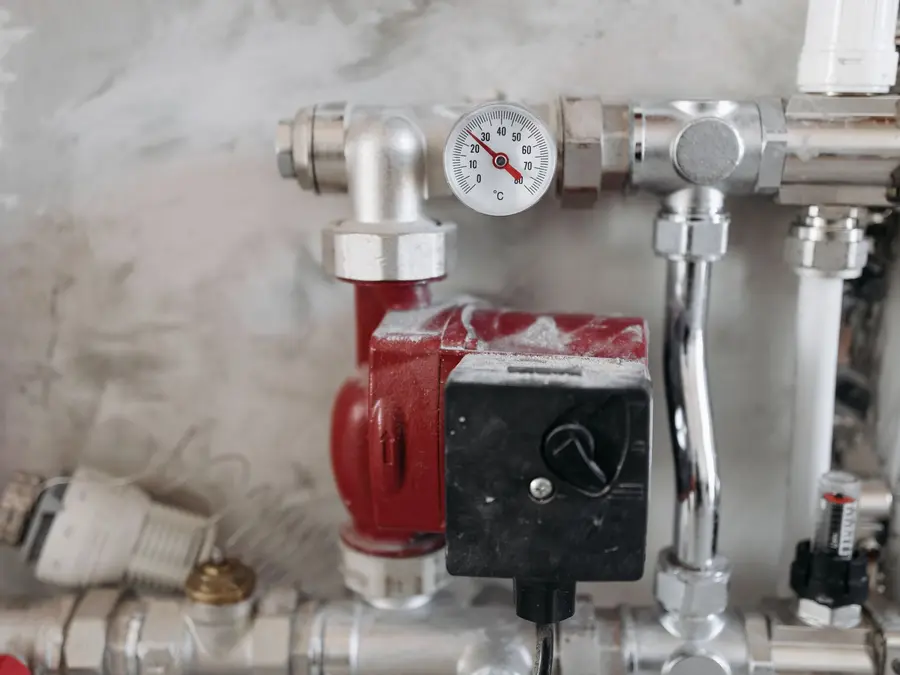
Over the years, the water inside a central heating system breaks down steel radiators from the inside. The result is black sludge, mostly magnetite, that settles in the bottom of radiators, clogs narrow pipes and chokes the heat exchanger in your boiler. Power flushing pushes that debris out using a high-flow pump and cleaning chemicals, one radiator at a time.
EF Heating carries out a powerflush on homes across Beckenham and nearby. It is not a cure for every heating fault, and we will say so if a central heating flush of a different kind, or a repair, would suit your system better. Where sludge is the problem, a thorough flush often turns a lukewarm house back into a warm one.
What Is Power Flushing
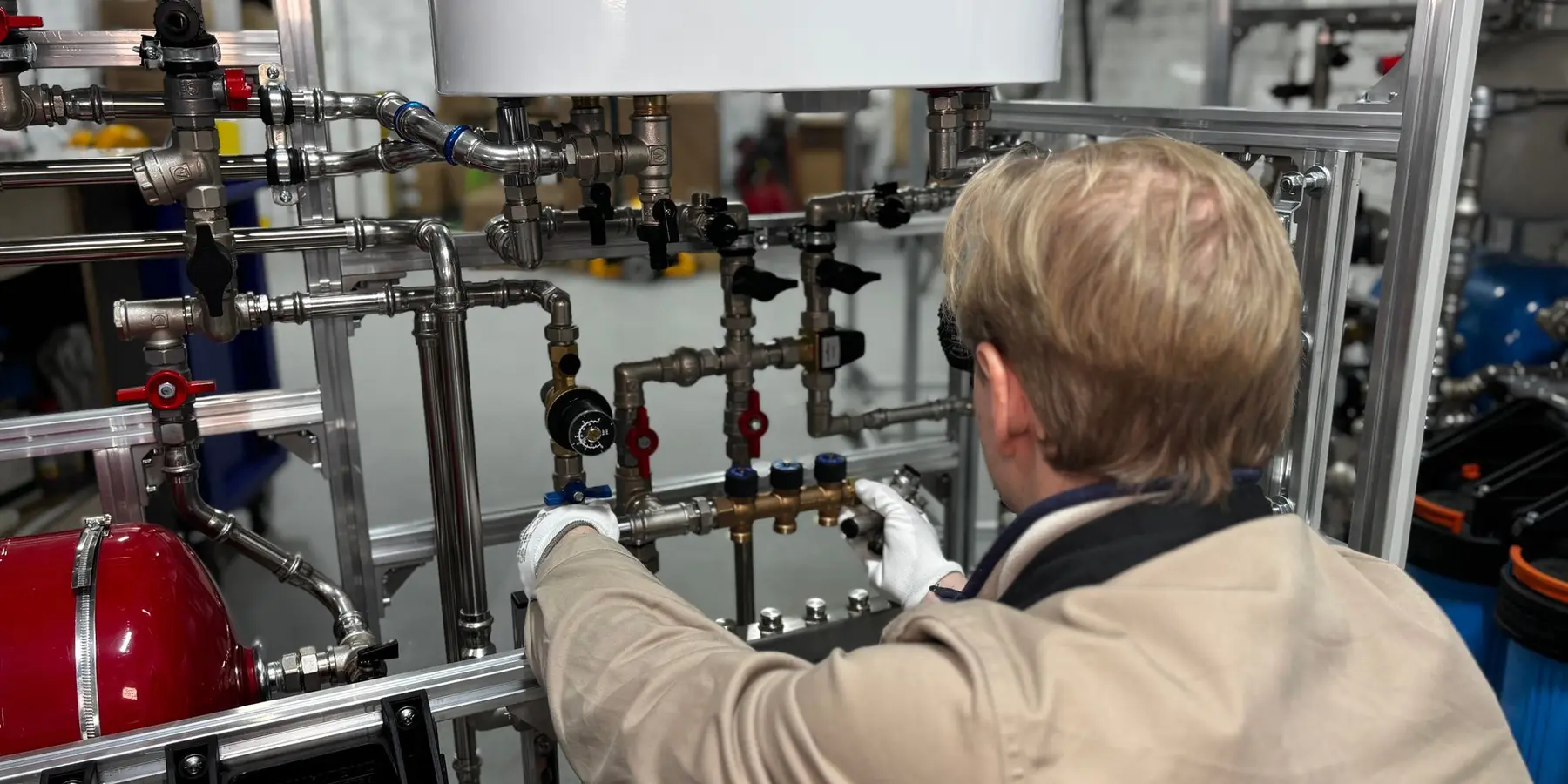
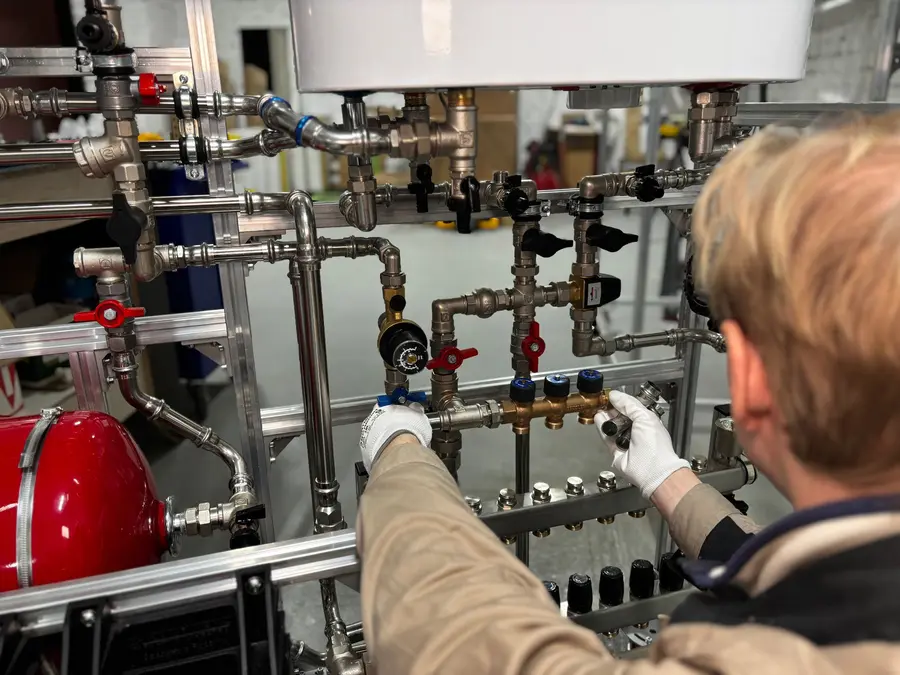
A power flush is a deep clean of the water side of your heating system. A dedicated pump unit is connected into the circuit, usually in place of the existing circulating pump or at a radiator, and it drives water around the system at a much higher flow rate than your own pump ever could.
A cleaning chemical is added to loosen sludge, rust and limescale. The flow is then reversed at intervals to shake deposits free from both directions, and the dirty water is dumped to drain while clean water replaces it. The process repeats until the water coming out is clear.
It is different from simply draining down and refilling. A drain-down removes the water but leaves most of the settled sludge behind, stuck in radiator bottoms and pipe bends. A power flush is designed to lift it out.
Signs Your Heating System Needs a Power Flush
Sludge gives itself away in fairly predictable ways. If you are seeing two or more of these, it is worth having the water checked.
- Cold at the bottom, warm at the top: radiators with a cold lower section usually have sludge settled inside
- A noisy boiler: a rumbling or kettling sound as water boils in a restricted heat exchanger
- Dirty water when bleeding: black or brown water from the bleed valve instead of clear
- Slow heat-up: rooms taking far longer to warm than they used to
- Poor hot water on a combi: a blocked plate heat exchanger gives fluctuating or lukewarm hot water
Other clues include radiators needing frequent bleeding, a pump that keeps failing, and new radiators that were fitted to an old system without cleaning and now show the same symptoms.
How the Power Flushing Process Works
We start by testing the system water and noting which radiators are cold and where. The power flush unit is connected, a cleaning chemical is added, and the whole system is circulated with all radiators open.
Then each radiator is flushed on its own. We close off the others so the full flow goes through one radiator, reverse the direction repeatedly, and tap along the panel to shift deposits. Using the dump valve, the dirty water goes to drain while fresh water fills from the other side, so the system never runs dry. We move round the house one radiator at a time.
We keep going until the water runs clear and a TDS meter reading of the system water is close to that of the fresh mains water. Finally the system is refilled, a corrosion inhibitor is added at the correct dose, and we recommend a magnetic filter on the boiler return to catch whatever forms in future.
Benefits for Radiators, Boilers and Efficiency
Once sludge is gone, water can actually reach the whole surface of each radiator. Rooms that were never quite warm tend to heat up properly, and radiators at the far end of the system stop lagging behind those near the boiler.
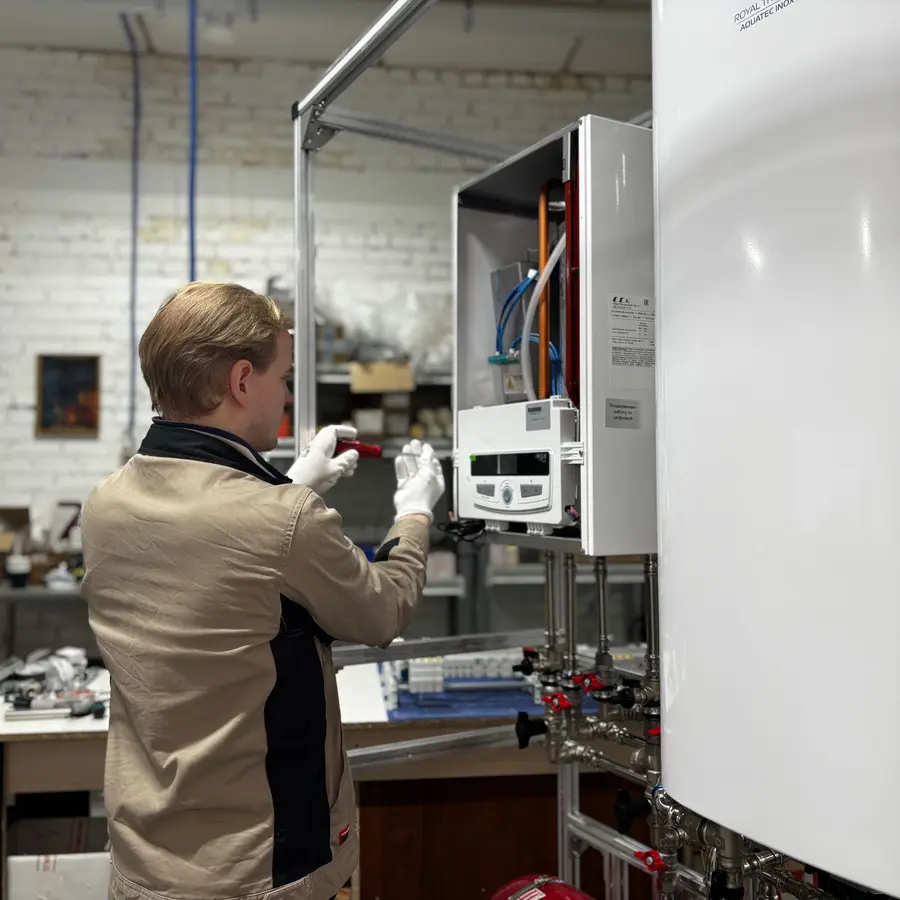
The boiler benefits too. A clogged heat exchanger overheats in spots, which causes kettling, lockouts and early failure of parts. Clean water lets it pass heat into the system as designed, and a condensing boiler can run at the lower return temperatures it needs to work efficiently.
- More even heat across each radiator
- Less strain on the pump and boiler heat exchanger
- Clearer, steadier hot water on combi boilers
- A clean base before a new boiler or radiators are fitted
Keeping the water clean afterwards matters. Your engineer can check the inhibitor and filter during an annual boiler service.
Prices, Quotes and Booking
The work involved depends on the number of radiators, the size of the pipework, how heavily sludged the system is and whether a magnetic filter needs fitting. A four-radiator flat and a large five-bedroom house are very different jobs, so we price each one individually.
To get a Quick Quote, tell us through the form how many radiators you have, the type of boiler, and the symptoms you have noticed. If you already know some radiators are cold at the bottom, list which ones. We will come back with the scope of work and confirm a date.
On the day, allow for the heating being off while we work, and clear space around radiators so we can reach the valves. We will need access to a drain or outside gully for the dirty water.
Areas Covered and Local Engineer Availability
We power flush heating systems throughout Beckenham, a leafy commuter town where many of the larger family houses near Kelsey Park have long heating circuits and a dozen or more radiators, often with pipework that has been extended over several decades.
We also cover Catford, Croydon, Peckham, Carshalton and Welling, along with wider London. Booking slots depend on how many jobs are running that week, so use the form to find a date that suits you. If your heating is failing because of sludge and you need it looking at urgently, say so in the form so it is triaged first.
What You Get From Our Power Flush
A power flush is only worth paying for if it is done thoroughly and the result is protected. Here is what is included when we do it.
- A water test before and after, so you can see the difference
- Every radiator flushed individually, not just the system as a whole
- Inhibitor added at the dose the manufacturer specifies
- A recommendation on fitting a magnetic filter if there is none
We will also be honest if a power flush is the wrong choice. On very old or fragile pipework, the high flow can find weak joints or corroded radiators and start a leak. There, a gentler chemical or mains flush at normal pressure, sometimes with the worst radiators removed and flushed outside, is safer. If a leak does show up, leak detection will trace it.