Most plumbing problems start small. A tap that needs a hard twist to stop dripping, a toilet that refills every few minutes, a shower that fades to a trickle when someone runs the kitchen tap. Left alone, they waste water and usually get worse. As a plumber in Beckenham, EF Heating takes on exactly these jobs, from a single washer to a new run of copper, and we tell you what we found before anything gets replaced.
We are heating engineers as well as plumbers, so the people who look after boilers also understand how the water side of your house fits together. That counts for a lot in Beckenham, where plenty of homes have been extended and re-plumbed in stages over a hundred years. Local plumbers who know those layers can trace a fault back to where it starts, rather than patching the symptom and leaving.
Tell us what is going on through the Quick Quote form. Say whether it is a planned job or something that cannot wait, and give a rough idea of the property. We come back to you to arrange a visit and talk through the likely work, so there are no surprises when the plumbers arrive.
Taps, Toilets and Cisterns That Won't Behave
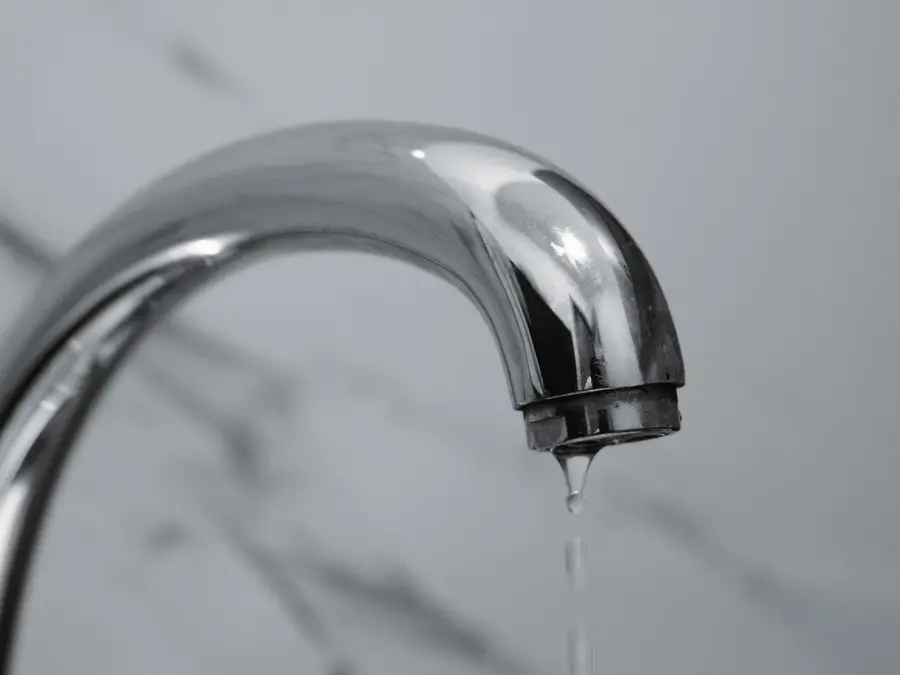
A dripping tap is rarely the tap body itself. Older pillar and bib taps use a rubber washer that hardens and splits; quarter-turn taps use a ceramic cartridge that wears or scales up. We identify which you have, carry common sizes, and replace the whole tap only when the body is corroded or the spares no longer exist.
Toilets are the other constant. The usual faults we find:
- Constant refilling: a worn flush valve seal letting water trickle into the pan. Wipe the back of the pan dry with tissue; if it dampens within minutes, that is your leak.
- Slow or noisy filling: a tired fill valve, often clogged with scale.
- Water on the floor: a failed doughnut seal between cistern and pan on close-coupled toilets, or a perished pan connector.
- Weak flush: a split siphon diaphragm on older lever cisterns.
Most of these are fixed in one visit with standard parts.
Stopcocks, Pipework and Water Pressure
Every household should know where its internal stopcock is. In most Beckenham houses it sits under the kitchen sink, but in older properties it can be under the stairs, beneath a floorboard in the hall, or in a cellar. Many have not been turned in decades and seize solid. If yours will not move, or it weeps from the spindle when you try, we can replace it with a quarter-turn valve that closes properly when you need it.
Poor water pressure has several possible causes, and we check them in order: a partly closed stopcock or isolating valve, a narrow old supply pipe, scale in fittings, a shared supply with a neighbour, or simply low pressure in the street. A flow test at the kitchen tap tells us a lot. We will be honest if the limit is on the water company's side, because no amount of work inside the house changes that.
Washing Machines, Dishwashers and Other Appliance Plumbing
Appliance leaks are often down to how the machine was connected rather than the machine itself. The classic culprit is a self-cutting valve clamped onto a copper pipe, which works for years and then starts to weep behind the unit where nobody looks. We replace these with a proper tee and a dedicated isolating valve for each appliance.
Typical appliance jobs include:
- Plumbing in a new washing machine or dishwasher, hot and cold feeds as required
- Replacing split or kinked inlet hoses
- Fitting a correct waste connection, either a standpipe with a trap or a spigot on the sink trap
- Running feeds and waste to a new utility room or relocated appliance space
- Adding a water feed for an American-style fridge
If the sink backs up every time the machine empties, the blockage is probably beyond the trap. That is when our drain unblocking service takes over.
Outside Taps and Getting Ready for Frost
Beckenham has a lot of family houses with long gardens, and an outside tap gets heavy use in summer. A properly fitted one has a double check valve, so water from a hose left in a bucket or pond cannot be drawn back into the mains supply. Many older outside taps do not have one. We fit new outside taps with the check valve and an internal isolating valve, so you can turn the tap off from indoors.
That internal valve is your frost protection. Before the first hard freeze, close it, open the outside tap to drain what is left in the pipe, and leave it open over winter. Pipes in lofts, garages and under suspended floors need lagging too, especially where they run near air bricks. If a pipe does freeze, thaw it gently with warm cloths or a hairdryer. Never use a naked flame, and check for splits once the water is running again.
Older Victorian and Edwardian Pipework: Lead and Galvanised Supplies
The solid Victorian houses around Clock House and Kent House often still have original supply pipework somewhere in the house. Two materials come up again and again:
- Lead pipe: dull grey, soft, with bulbous wiped joints. Scratch it gently with a coin and it shows bright silver. A magnet will not stick to it.
- Galvanised steel: grey and threaded at the joints, a magnet does stick. It rusts from the inside, narrowing the bore and discolouring the water.
Lead can leach into drinking water, particularly where water sits in the pipe overnight, so replacing it is sensible. We renew the internal supply in copper or modern plastic. The underground pipe from your boundary is usually yours too; ask your water company about renewing their section at the same time. A healthy mains supply also matters if you are considering an unvented cylinder installation, which relies on good incoming flow.
Planned Plumbing Jobs and Ones That Can't Wait
Plenty of our plumbing work is planned well ahead. Swapping tired tap sets, moving pipework before a kitchen fitter arrives, adding an outside tap, or replacing a stretch of lead supply are all jobs you can book at a time that suits the household. For these we survey first, list the parts, and agree the scope before a date is set.
Other jobs will not wait: water coming through a ceiling, a toilet that will not stop overflowing, a stopcock that has failed in the open position, no water at all. When you fill in the Quick Quote form, say clearly that it is urgent and it is triaged first. While you wait, turn off the stopcock if you can, and keep water away from light fittings and sockets.
For small jobs, we find it helps to group them. If you have a list of three or four niggles around the house, mention them all so they can be done in one visit.