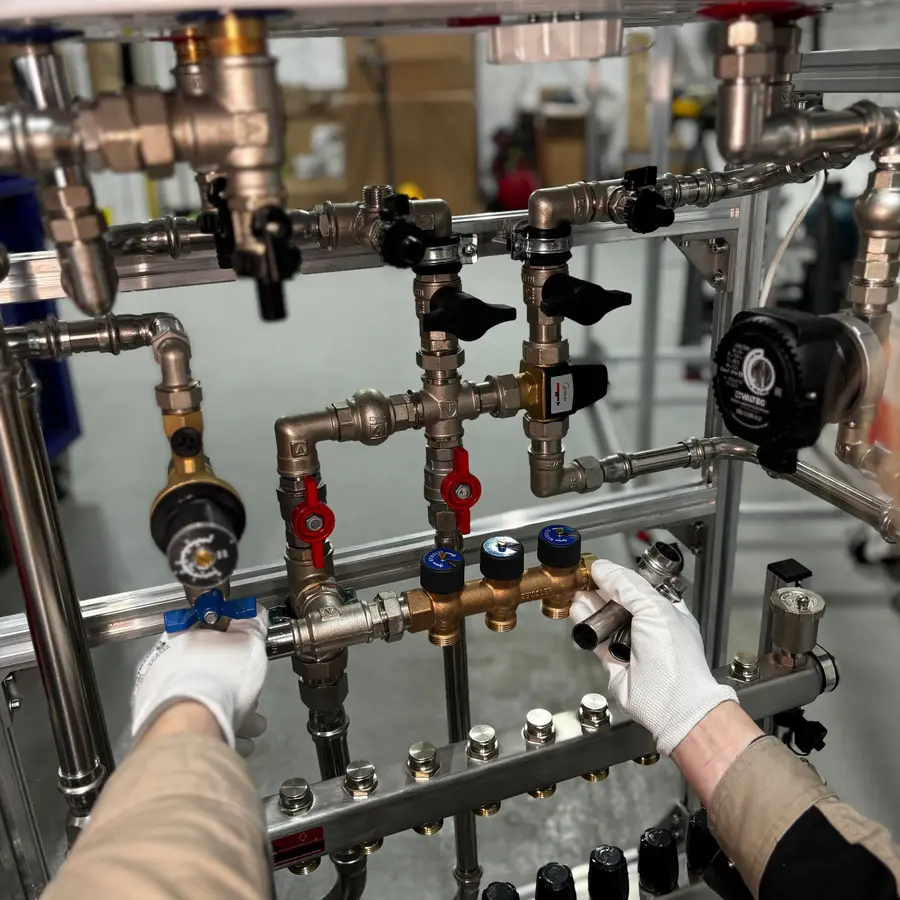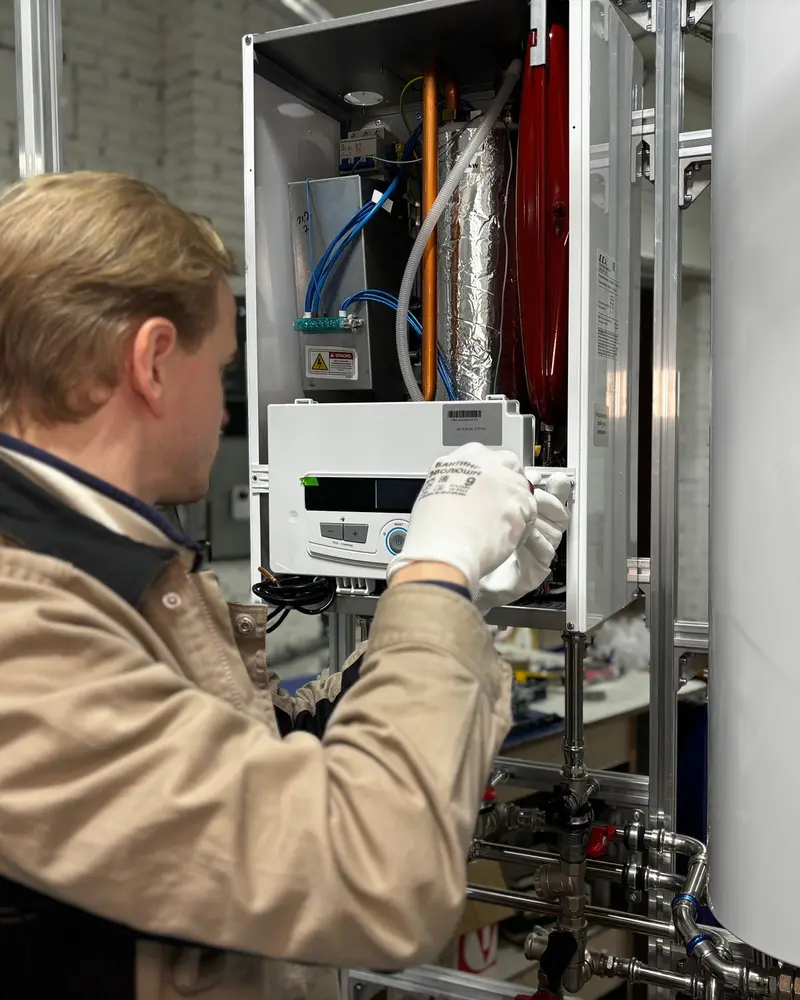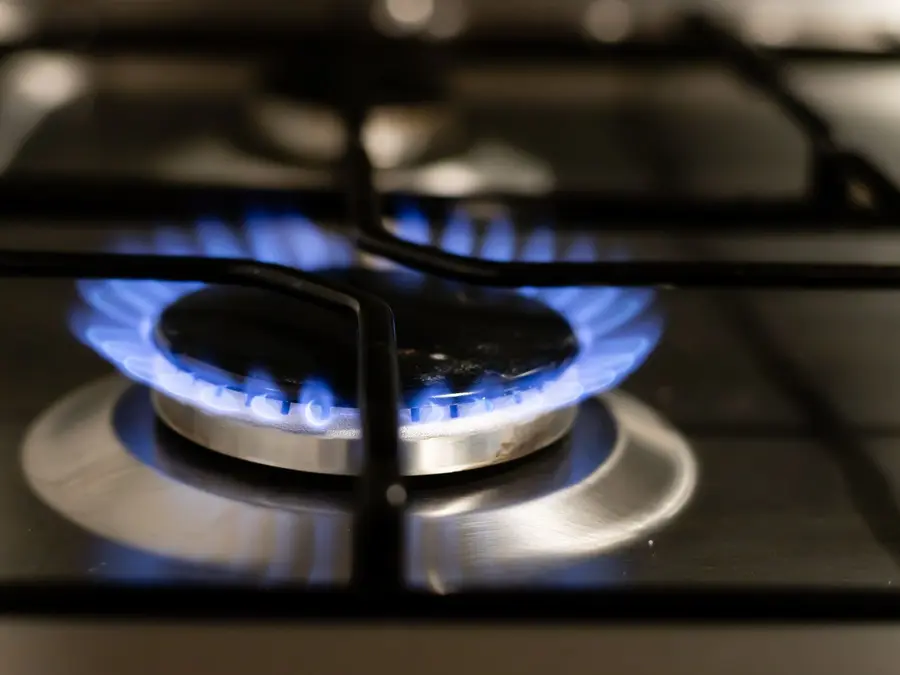
A gas safety certificate, properly called a landlord gas safety record and widely known as a CP12, is the document that shows the gas appliances and flues in a rented home have been checked by a Gas Safe registered engineer. For landlords it is not optional. For tenants it is the reassurance that the boiler, hob or gas fire in their home is not putting them at risk.
EF Heating carries out landlord gas safety certificate checks in Beckenham and the surrounding area, for single flats, family houses and larger shared properties. The inspection is thorough but not disruptive: most homes need an engineer on site for a short visit, and the record is issued once every item has been checked.
Letting agents and landlords with several properties can request checks together. Send the details through the Quick Quote form and include the current expiry date so the timing can be planned.
Gas Safety Certificate Overview
The landlord gas certificate is a written record of a safety inspection, not a service. The engineer tests whether each gas appliance and flue is working safely at the time of the visit and writes down what was checked, what was found and whether anything was unsafe.
The record lists the property address, the landlord or agent, the engineer's name and Gas Safe registration number, each appliance and its location, the results of the checks and any defects with the action taken. It is signed and dated.
If an appliance fails, it is not simply marked down and left. Where it is dangerous, the engineer will turn it off and, with the landlord's or tenant's permission, disconnect it and label it so nobody uses it. You then get a clear explanation of the fault and what repair is needed before the appliance can go back into use.
What the Inspection Covers
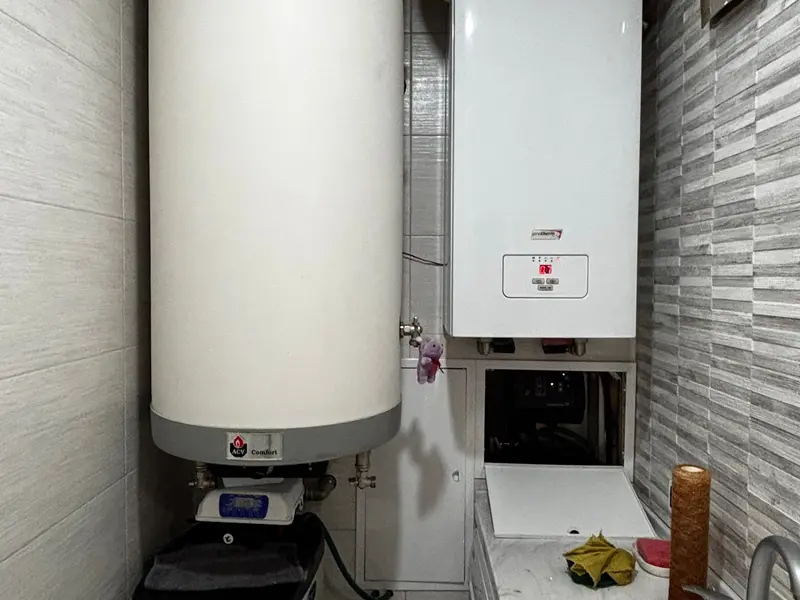
Every gas appliance and flue the landlord provides is checked. That normally means the boiler, gas hob or cooker and any gas fire. On each one, the engineer looks at:
- Gas tightness of the installation, so there are no leaks on the pipework or connections
- The operating pressure or heat input, so the appliance burns the right amount of gas
- Flue operation, checking that fumes are carried safely outside and not spilling into the room
- A sufficient supply of air for combustion, including ventilation where the appliance needs it
- That safety devices, such as flame failure devices, shut the gas off when they should
The engineer also looks for visible signs of trouble: sooting, discoloured casings, poorly supported pipework or a flue terminal blocked by a new extension or shed. Carbon monoxide alarm positions may be discussed where relevant.
Legal Requirements for Landlords
Under the Gas Safety (Installation and Use) Regulations, landlords have three core duties for gas appliances and flues they provide:
- Have each one checked every 12 months by a Gas Safe registered engineer
- Give a copy of the record to existing tenants within 28 days of the check, and to new tenants before they move in
- Keep each record for at least two years
Landlords must also keep the gas pipework and appliances maintained in a safe condition between checks. Appliances that a tenant owns and brought with them are not part of the landlord's check, though the landlord still has to maintain the pipework that supplies them.
Homeowners are not legally required to have a gas safety certificate. Some choose one anyway when selling a house, or for their own safety if they are unsure of the condition of older appliances.
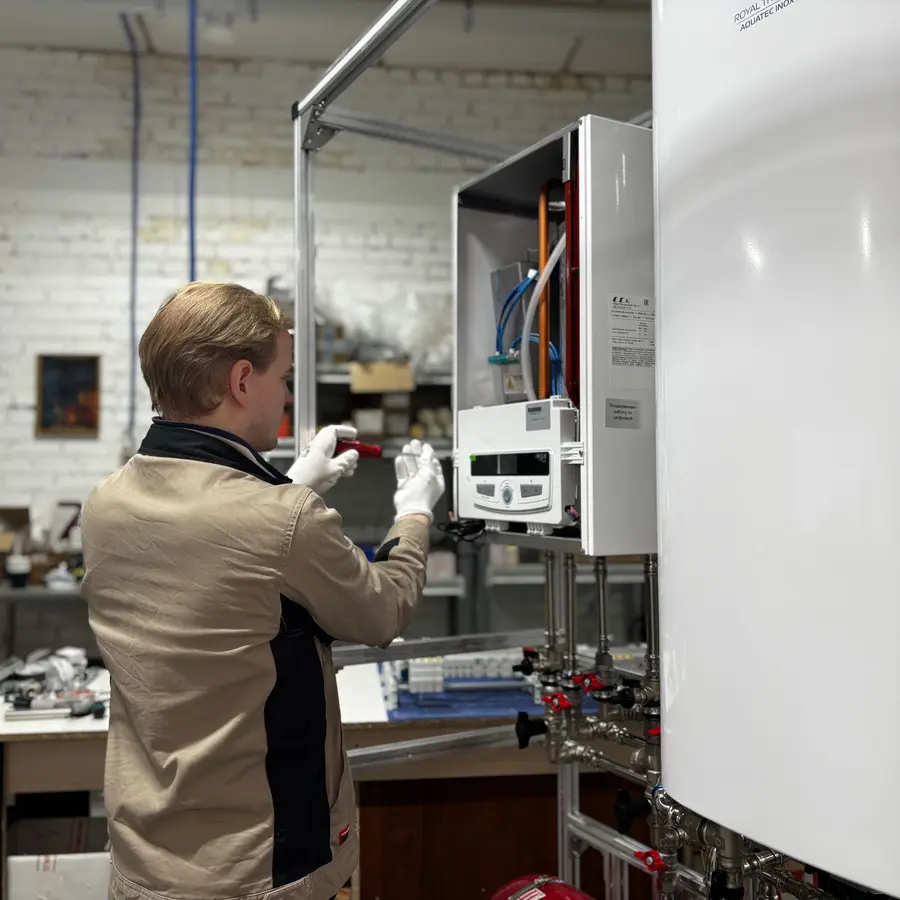
Gas Safe Registered Engineers
Only a Gas Safe registered engineer can carry out a landlord gas safety check and issue the record. Registration is specific to the types of work an engineer is qualified for, so the engineer must be registered for each appliance type being checked, such as boilers, cookers or gas fires.
EF Heating is Gas Safe registered. Our engineer is also Vaillant MasterTec qualified and a Glow-worm accredited installer, which helps when the boiler under inspection is one of those makes.
You or your tenant can ask to see the Gas Safe ID card on the day. The card shows who the engineer is, their registration number and the categories of work they can carry out. You can also look up any engineer on the Gas Safe Register before the visit.
Certificate Validity and Renewal
A landlord gas safety record covers 12 months from the date of the check. The next inspection has to be completed before that date passes.
There is a useful flexibility built into the rules, often compared to an MOT. You can have the renewal check done up to two months before the due date and keep the original expiry date. So if your record runs out at the end of one month, a check carried out in the weeks before still leaves the following record ending on the same anniversary. That stops your deadline creeping earlier each time.
It makes sense to book renewals early, especially if the property has several appliances or tenants who are hard to reach. If an appliance fails, you have time to get it repaired, or to arrange a boiler replacement, before the record lapses.
What the Certificate Costs Depends On
We quote each check individually, because the time on site depends mainly on how much there is to inspect. The factors that make a difference are:
- The number of gas appliances in the property
- The type of each appliance, as gas fires with older flues take longer to test than a modern room-sealed boiler
- Whether several properties are being checked together
- Whether you want a boiler service carried out on the same visit
Combining the check with an annual boiler service is common, since the engineer is already on site and the boiler is already open. Ask for both in the Quick Quote form if you want them priced together.
How Booking and Attendance Works
Most landlords are not at the property on the day, so access needs planning. When you book, give us the tenant's contact details, or tell us whether a letting agent will hold keys or arrange entry.
We then contact the tenant to agree a time that suits them. On the day, the engineer checks each appliance, runs the tests and completes the record. If everything passes, the record is sent to you so you can pass a copy to the tenant within the 28 day window.
If something fails, you are told what the problem is and what is needed to fix it. Repairs can be quoted there and then. Where a dangerous appliance has been disconnected, getting it fixed quickly matters, since your tenant may be left without cooking or heating in the meantime.
Areas and Property Types Covered
We carry out landlord checks on most types of rented home, including:
- Purpose-built flats and flats in converted Victorian houses
- Terraced, semi-detached and detached family houses
- Houses in multiple occupation, where there may be several appliances across floors
- Properties between tenancies, where the check is needed before new tenants move in
Conversions deserve a closer look. Where a large house has been split into flats, flues and gas pipework sometimes run through spaces the current layout was never designed around, and ventilation has often been reduced by later changes. If a check shows the heating in a property needs upgrading, a central heating installation can be planned for a void period.