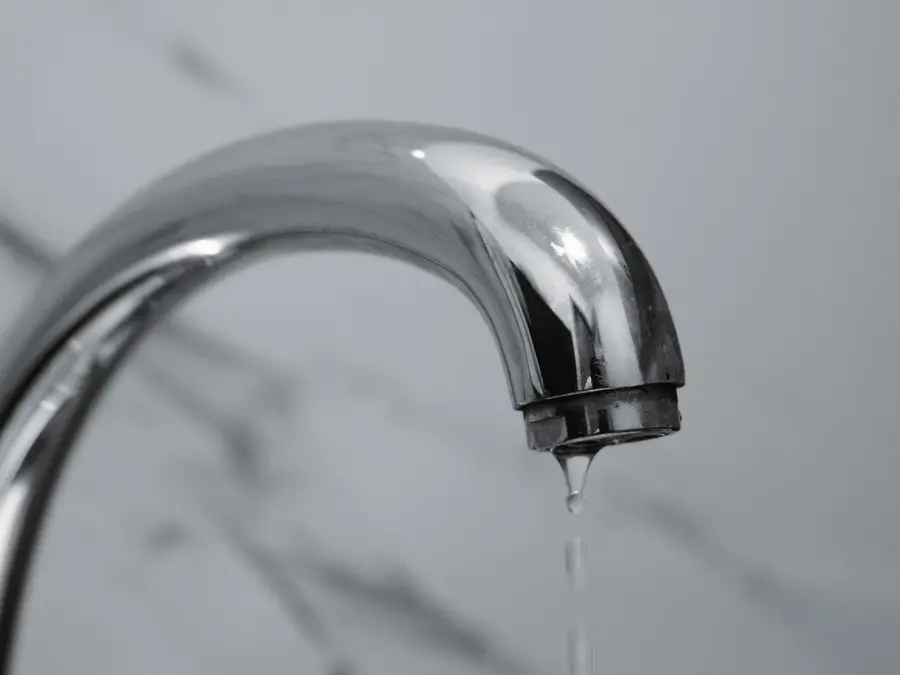
Some leaks announce themselves. Others hide under floors, inside walls or behind kitchen units for months, soaking timber and plaster before anyone notices. Water leak detection is about finding that hidden escape point accurately, so the repair means opening up one small area instead of half a room.
EF Heating traces leaks on both the cold and hot water supply and on central heating systems, which as heating engineers we know inside out. We start with simple tests that rule whole sections in or out, then use more targeted leak detection methods to pinpoint the spot. Once it is found, we carry out the leak repair and make good the access point.
If you have noticed something that does not add up, a rising water bill, a warm patch on the floor, a boiler that needs topping up every week, send us the details. It is almost always cheaper to find a small leak early than a large one late.
How Leak Detection Works
Good leak tracing is a process of elimination. Rather than guessing and cutting, we split the plumbing into sections and test each in turn until the leak is confined to a short length of pipe.
The first question is which system is leaking. Your home has at least two separate water systems: the mains supply feeding taps, toilets and often the hot water, and the sealed or open heating circuit feeding radiators or underfloor pipes. A leak on the mains shows up on the water meter. A leak on a sealed heating system shows up as falling boiler pressure. Knowing which one is at fault halves the search straight away.
From there, isolating valves let us close off branches one at a time. When the loss stops, the leak is on the branch we just closed. Only then do we bring in more specialised methods to locate the exact position along that run.
Signs of a Hidden Leak
Hidden leaks leave clues long before water appears on the surface. Look out for:
- A water bill noticeably higher than the same period last year, with no change in how you use water
- A water meter that keeps moving when every tap and appliance is off
- Boiler pressure that drops and needs regular topping up
- A warm spot on a floor, often above a heating or hot water pipe
- Damp, musty smells, lifting laminate, or bubbling paint low on a wall
In the 1930s semis off Beckenham High Street, many ground floors are suspended timber over a void, and a pipe leaking underneath can drip unseen for a long time. A new damp smell or softening boards near a kitchen or bathroom are worth investigating early. So is the sound of running water when nothing is on.
Leak Detection Methods
There is no single tool that finds every leak. Depending on the leak, the system and the building, methods used in the trade include:
- Meter test: turn every tap and appliance off, note the water meter reading, and check it again after a set time. Any movement confirms a leak on the supply side.
- Pressure drop test: on a sealed heating system, the circuit is isolated and pressure is monitored. Sections are closed off in turn until the loss stops.
- Thermal imaging: a camera shows temperature differences through floors and walls, making warm heating or hot water pipes, and the spread of escaping water, visible.
- Acoustic listening: sensitive ground microphones pick up the sound of water escaping under pressure, even through concrete.
- Tracer gas: a safe gas mix is introduced into a drained pipe and detected where it rises through the floor.
We choose the method that suits the situation, starting with the least disruptive.
Trace and Access Investigation
Insurers and surveyors often call this stage "trace and access": tracing the leak to a location, then opening up just enough of the building to reach it and confirm the cause.
The trace is where most of the time goes. Once the leak is pinned to a short section, access is planned with you before anything is disturbed. We explain what needs to come up or come out, whether that is a couple of floorboards, a kickboard under kitchen units, a panel on a bath, or a small square of plaster or screed.
With floor coverings, we talk through the options first. Lifting a section of carpet is simple. Tiles and engineered wood are harder to lift and replace without damage, so if there is any choice about where to go in, we pick the route that leaves the least to put back. Once the pipe is exposed, you can see the leak for yourself before it is repaired.
Leak Repairs and Reinstatement
Finding the leak is only half the job. The repair depends on what caused it: a pinhole in old copper from corrosion, a joint that has worked loose, a pipe crushed or nicked when floors were fitted, or a fitting split by frost.
Where the cause is a single failed joint, that joint is remade or replaced. Where the pipe itself is corroded or damaged along a length, we recommend replacing that section rather than patching one hole in a pipe that is failing everywhere. On heating systems, once the leak is repaired, the system is refilled, bled and brought back to pressure, and we check the boiler returns to normal operation.
After the repair, we make good the access point by refitting floorboards, kickboards and panels. Plastering, screeding, tiling and decorating are agreed separately with you beforehand, so it is clear from the start what we reinstate and what may need another trade once everything has dried out.
Paperwork for Insurance Claims
Many home insurance policies include cover for tracing and accessing a leak, as well as the damage it caused. What your policy covers is between you and your insurer, and we do not deal with insurers on your behalf. What we can give you is clear written information to support your claim.
After a leak investigation, you can ask for a written report that sets out:
- How the leak was traced and which tests were used
- Where the leak was, with photos of the exposed pipe
- What caused it, in plain terms
- What repair was carried out and what access work was needed
Contact your insurer early, before major work if possible, as some policies have their own process. Take your own photos of any damage before it is cleaned up. Keep invoices and the report together.
Urgent Leak Callouts
Some leaks cannot wait for an appointment. If water is visibly coming through a ceiling, running down a wall near electrics, or you cannot stop the flow, write that it is urgent in the Quick Quote form and it is triaged ahead of planned work. We do not promise response times, but we will tell you honestly when we can attend.
While you wait, close the stopcock to shut off the mains. If the leak seems to be on the heating, switch the boiler off; the system will stop being topped up and the flow will slow as pressure falls. Keep clear of wet electrics.
A leak that is slow and contained, a damp patch that is spreading gradually or a meter that is creeping, is not an emergency. That is better handled as a planned investigation with time to trace it properly.
Common Leak Sources
After many investigations, the same culprits come up again and again. In roughly the order we tend to find them:
- Heating pipes under floors: old microbore and copper in screed or under boards, often corroded where it met concrete
- Shower and bath seals and wastes: water tracking behind tiles or under the tray, not a pressurised pipe at all
- Radiator valves and tails: slow weeps that evaporate before pooling
- Compression joints behind kitchen units and appliances
- The underground supply pipe between boundary and house
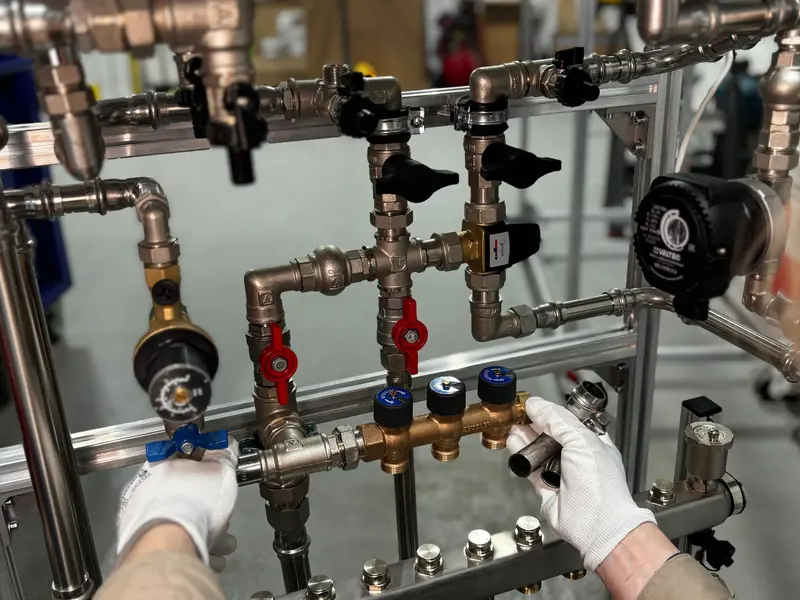
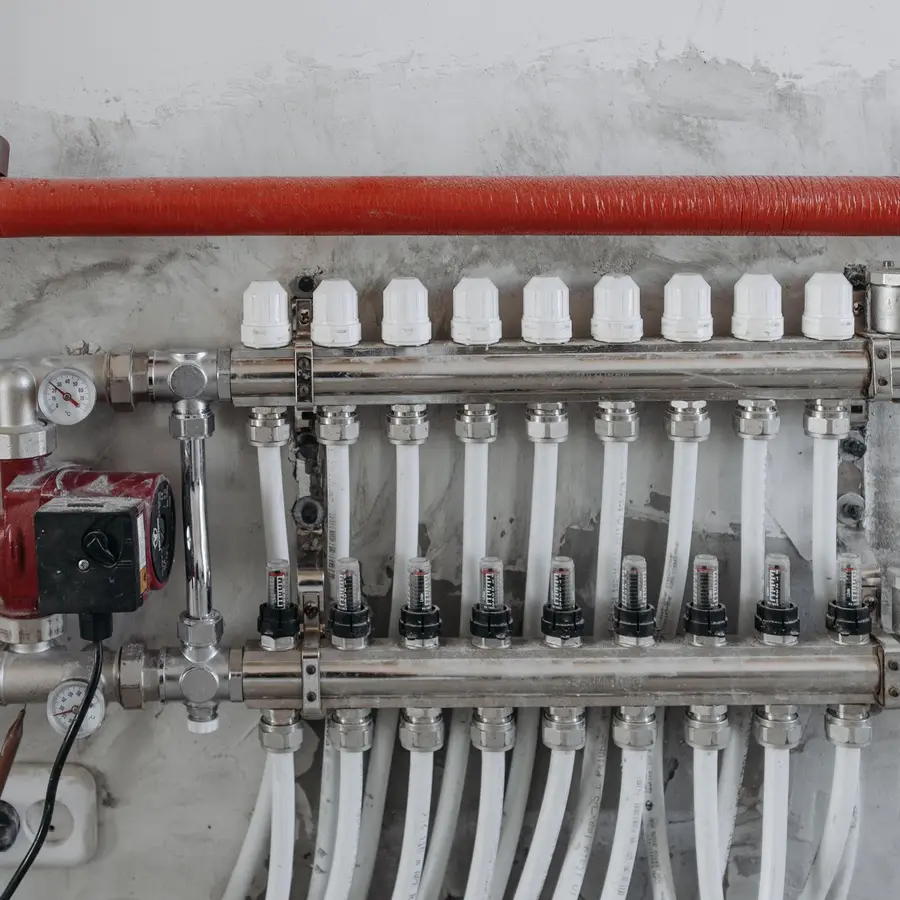
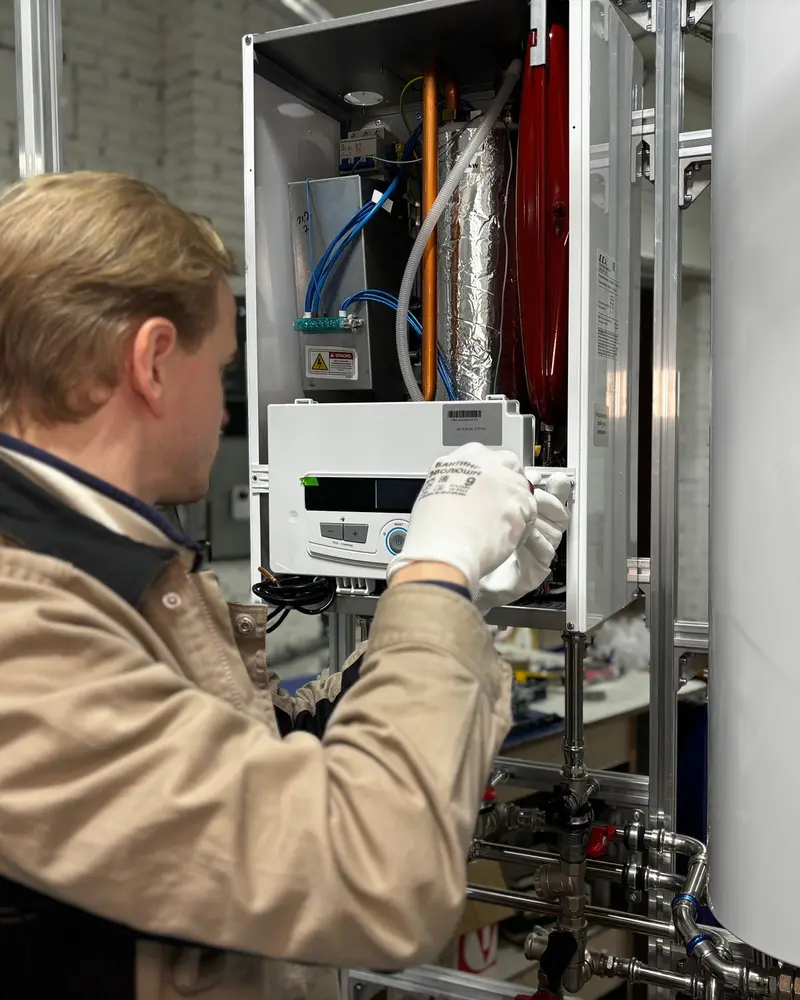
Heating leaks often show as a combi losing pressure, and if the boiler is itself the source, the pressure relief valve or an internal seal, that becomes a boiler repair. Wet underfloor heating can also leak at the manifold connections, which is easier to reach than a pipe in the screed.