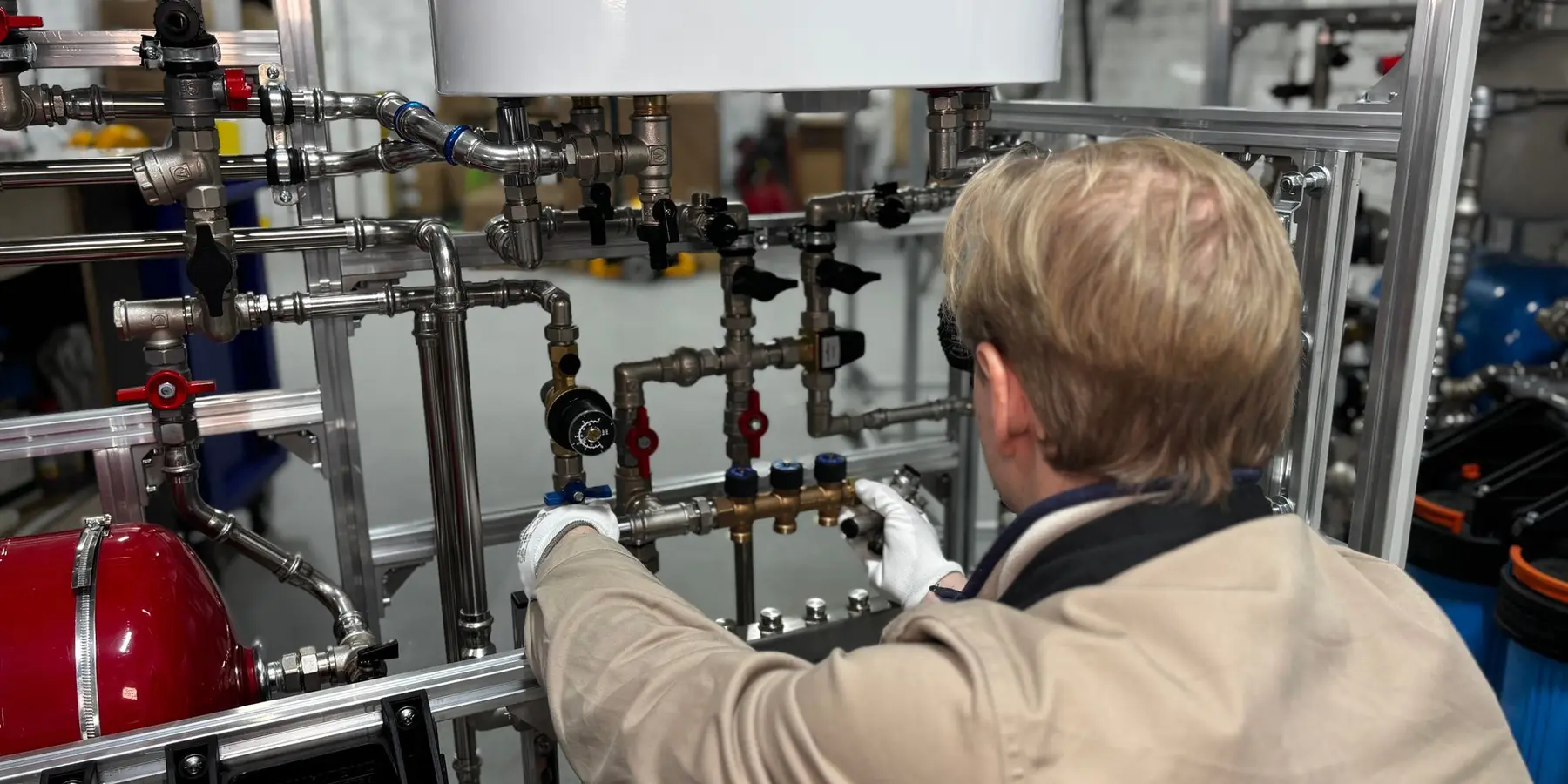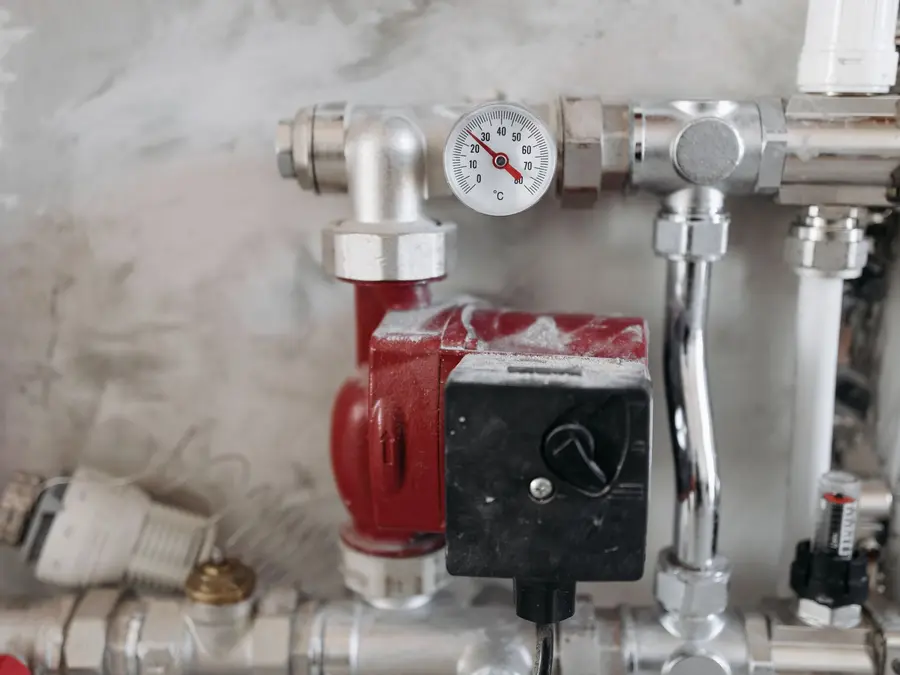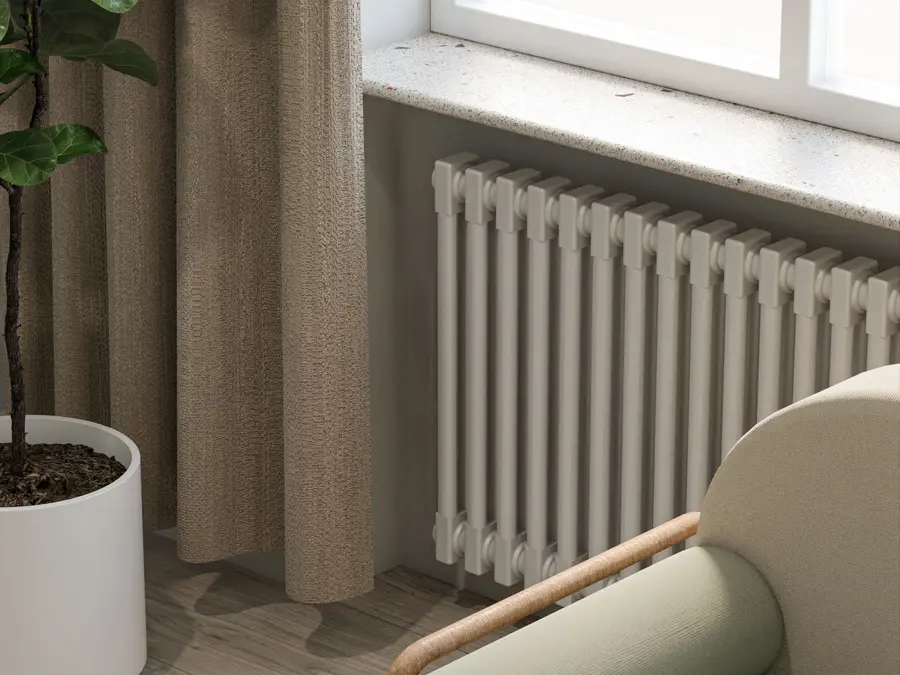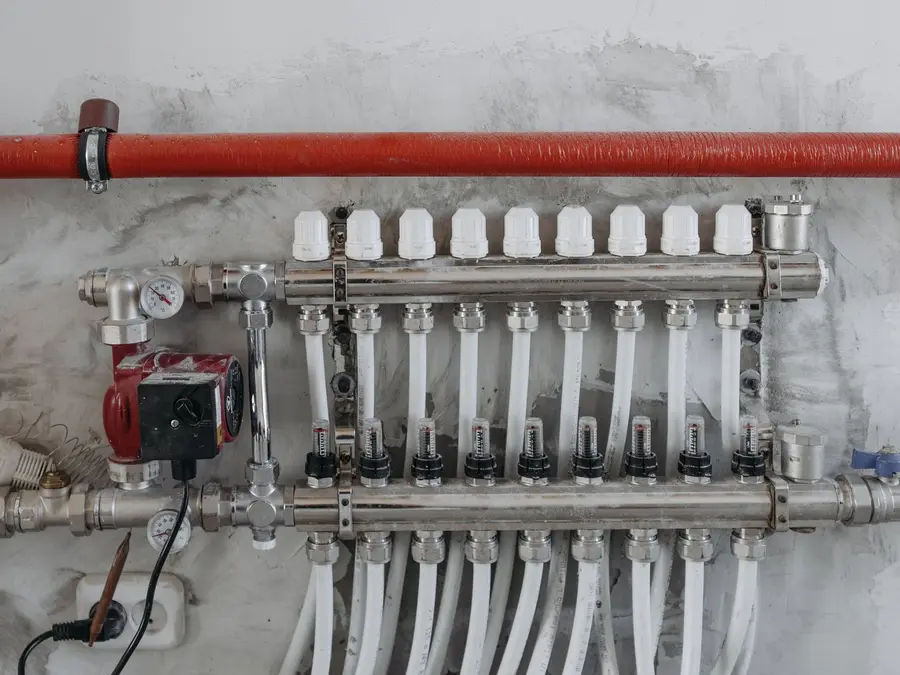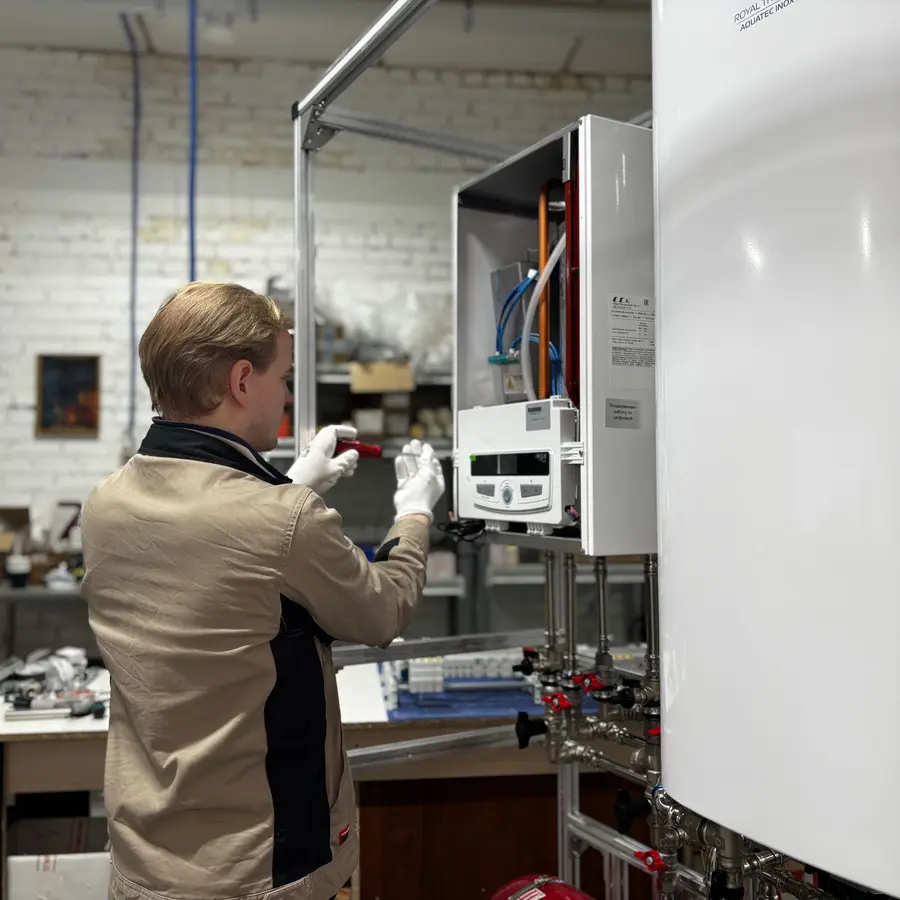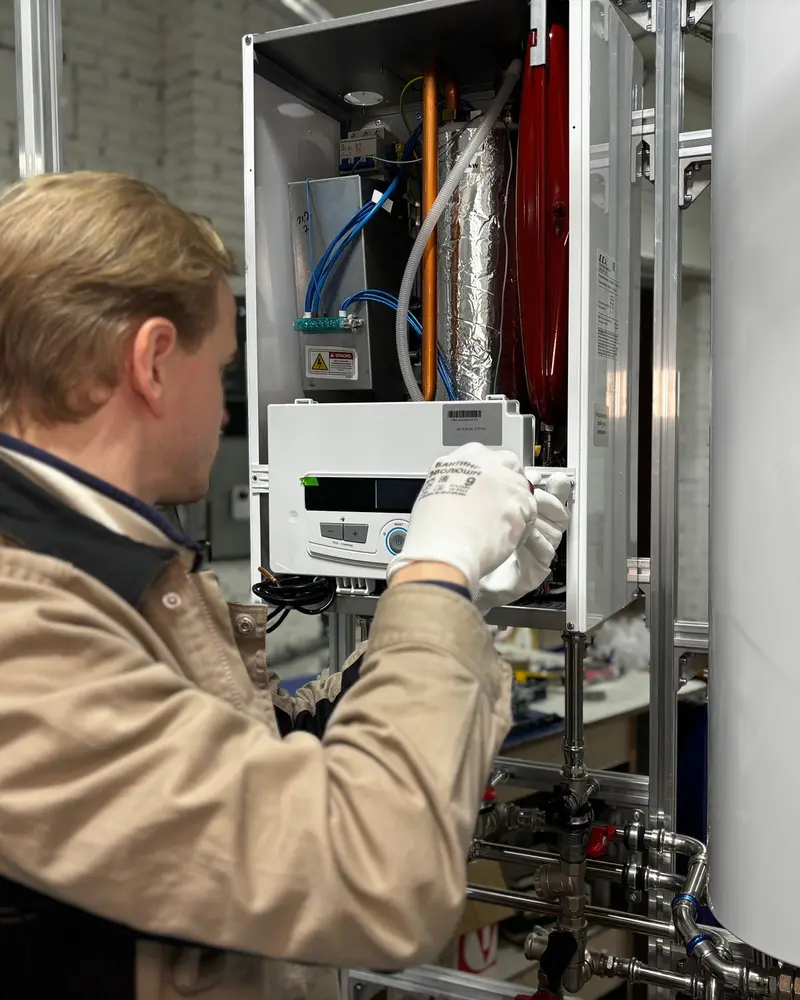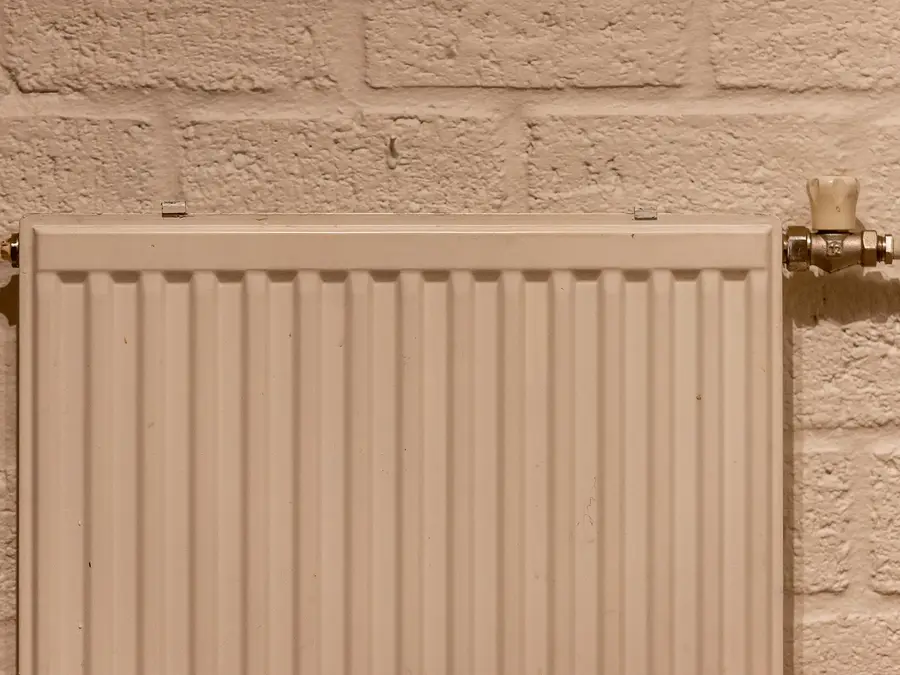
A central heating system is more than a boiler. It is the pipe runs under your floors, the radiators on each wall, the valves, the controls and the way they are balanced. When one part is wrong, the whole house feels it. As a Gas Safe registered central heating engineer covering Beckenham, EF Heating designs and fits complete systems and puts right the ones that never worked properly.
Our central heating installation work ranges from a first system in a house that has only ever had storage heaters, to stripping out a tired gravity-fed setup with a tank in the loft and fitting a sealed system with modern controls. We also carry out central heating repairs on systems of every age, from noisy pumps to radiators that will not warm.
Our central heating engineers explain what they find in plain terms. You will know why a room is cold, what the options are, and which ones are worth doing now and which can wait. If a full new system is not needed, we say so, and set out the smaller changes, such as new controls, resized radiators or a sealed system conversion, that would make a real difference to how your home heats.
Boiler Installation
A new boiler only performs as well as the system it is connected to. Before we fit one, we look at the pipework it will feed, the condition of the water, the radiator sizes and the controls, because a modern condensing boiler on a sludged, badly balanced system will never run as it should.
That is why our boiler work within a central heating project is planned alongside the rest of the system: the right boiler type for the house, the flow and return sized to suit, a magnetic filter on the return and controls that meet Building Regulations Part L. If you only need the boiler itself swapped, our boiler installation service page covers that job on its own. As Vaillant MasterTec qualified and Glow-worm accredited installers, we fit to the manufacturer's instructions so the warranty terms are met.
Central Heating Installation
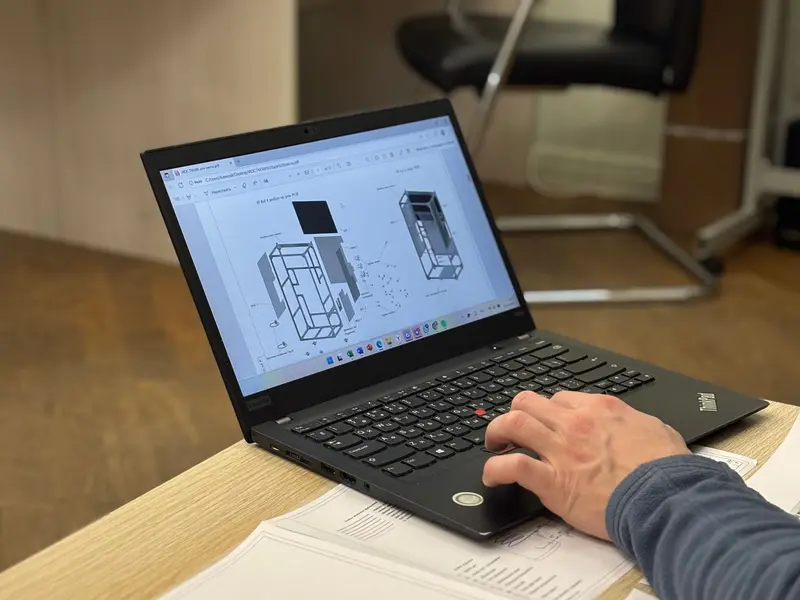
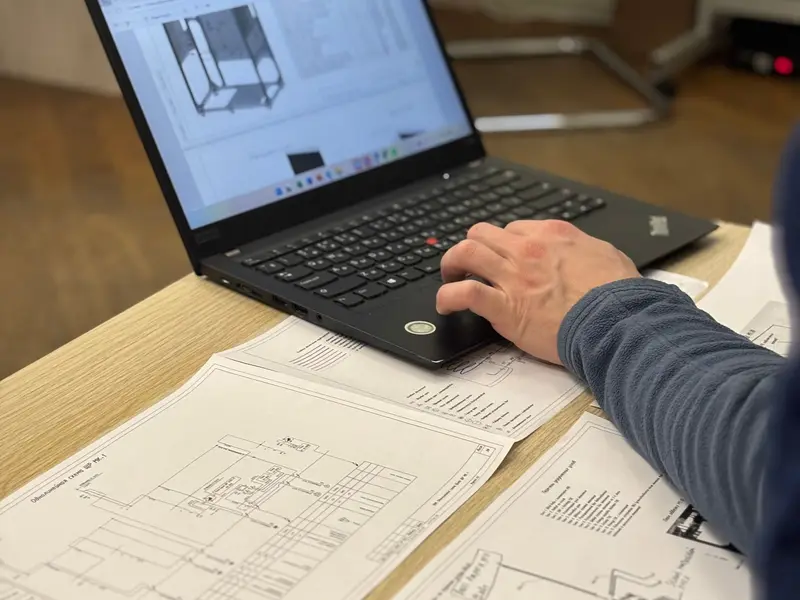
We design each system from a room-by-room heat loss calculation. That tells us how much heat each room needs on a cold day, so every radiator is sized to the room rather than guessed from what was there before. A north-facing bedroom with a large bay window needs a very different radiator from a small inner hallway.
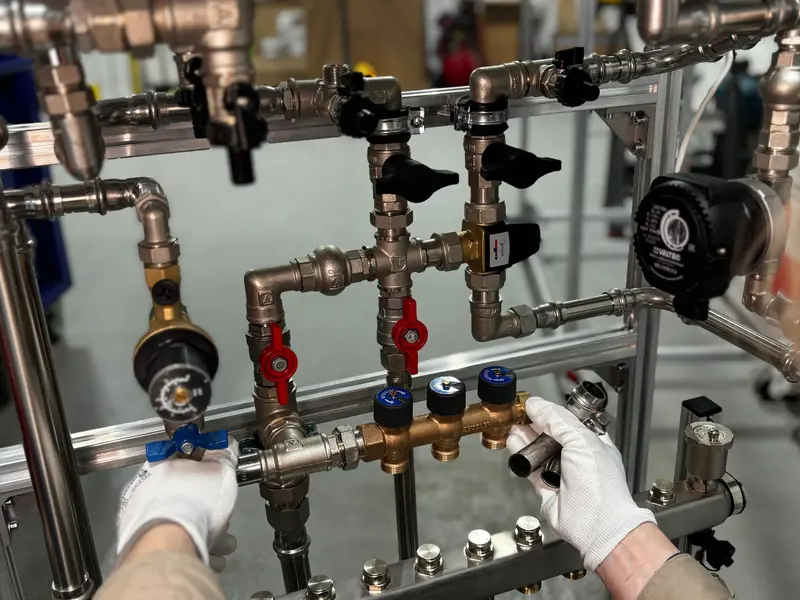
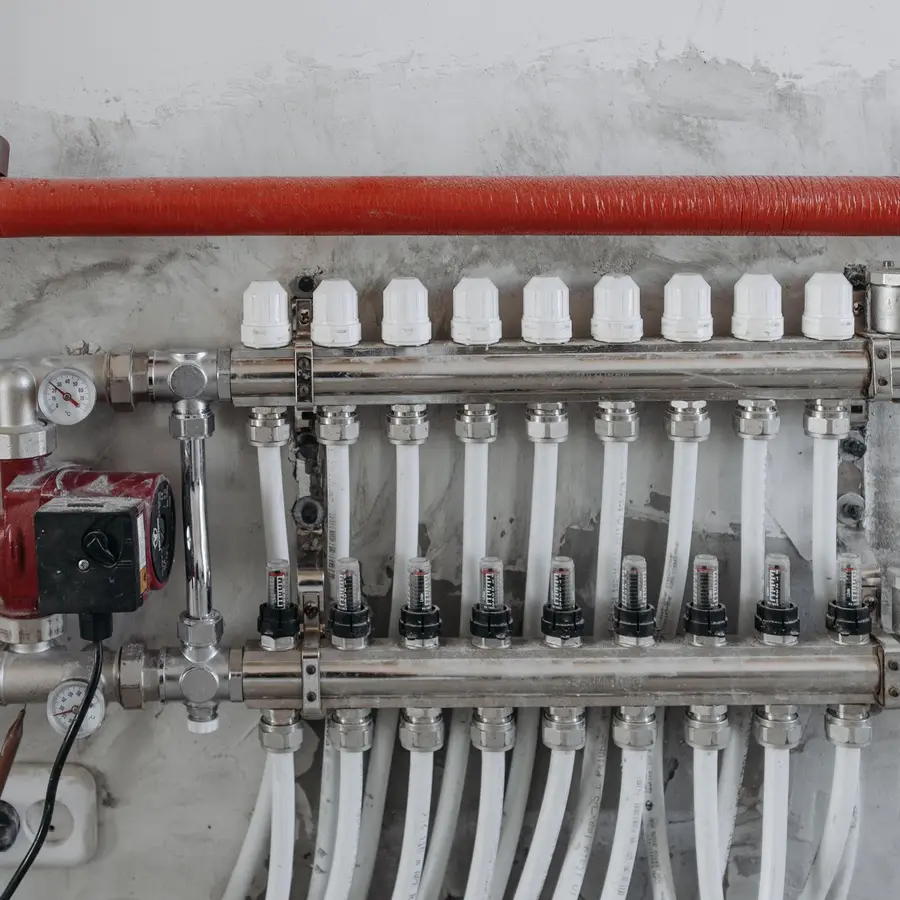
Pipework is then planned around the house. Microbore (8mm or 10mm) is neat and easy to run under floors, but it restricts flow and blocks more easily. We generally use 22mm for the main flow and return and 15mm for the drops to each radiator, which keeps water moving freely and suits modern boilers.
- Radiators sized to each room's heat loss
- Flow and return routes planned to keep runs short
- Isolation valves so parts of the system can be worked on later
- Controls fitted and commissioned, not just connected
At the end we fill with inhibitor, balance every radiator and record the settings.
Heating Repairs
Heating faults show up in a few recognisable ways, and each points to a different part of the system.
- Some radiators hot, some cold: often balancing, a stuck TRV, or a zone valve that is not opening
- Upstairs cold while downstairs is fine: pump speed, air in the system or a sticking motorised valve
- Banging and gurgling pipes: air, or on open-vented systems, the pump pushing water over the vent pipe
- Pressure falling on a sealed system: a leak, a failed expansion vessel or a passing pressure relief valve
We test rather than guess. That means checking pump output, confirming each motorised valve opens when asked, reading pressures and temperatures, and following the wiring from programmer to boiler. Once the cause is clear, you get a straightforward explanation and a price for the fix before we carry on.
Boiler Servicing
A boiler service checks the appliance: combustion, seals, burner, flue and safety devices. On a whole central heating system, a few other checks are worth adding to the same visit, because the boiler is only as healthy as the water running through it.
We look at the magnetic filter and clean it out, check the system pressure and the expansion vessel charge, test the pump and motorised valves, and note any radiators that are slow to heat. Those details often catch system problems before they reach the boiler. For the appliance itself, see our annual boiler service page, which covers what the boiler check includes and how often it should be done.
Emergency Heating Callouts
Losing heating in winter is urgent, especially with young children or elderly relatives in the house. When you fill in the Quick Quote form, tell us it is an emergency so it is triaged first, and describe what is happening: no heat at all, no hot water, a leak, or a boiler showing a fault code.
While you wait, a few checks can help. Make sure the programmer and room thermostat are calling for heat. On a combi or system boiler, look at the pressure gauge; if it is near zero, the system may need topping up or there may be a leak. If water is coming from a pipe or radiator, turn off the valves either side, or isolate the boiler and switch off its electrical supply. If you smell gas, leave the property and contact the National Gas Emergency Service before anything else.
Gas Safe Engineering
Any work on a gas boiler, the gas supply pipe or the flue must be carried out by a Gas Safe registered engineer. That is a legal requirement under the Gas Safety (Installation and Use) Regulations 1998, and EF Heating is Gas Safe registered.
On a central heating installation, gas work includes sizing the gas pipe so the boiler gets enough supply at full output, running and testing that pipe, and checking the flue route meets the manufacturer's clearances from windows, doors and boundaries. Every installation is tightness tested and commissioned with a flue gas analyser before we leave.
New boiler installations are notified to Building Control through the Gas Safe scheme, and you receive the paperwork. Keep it with your house documents, as you may need it when you sell.
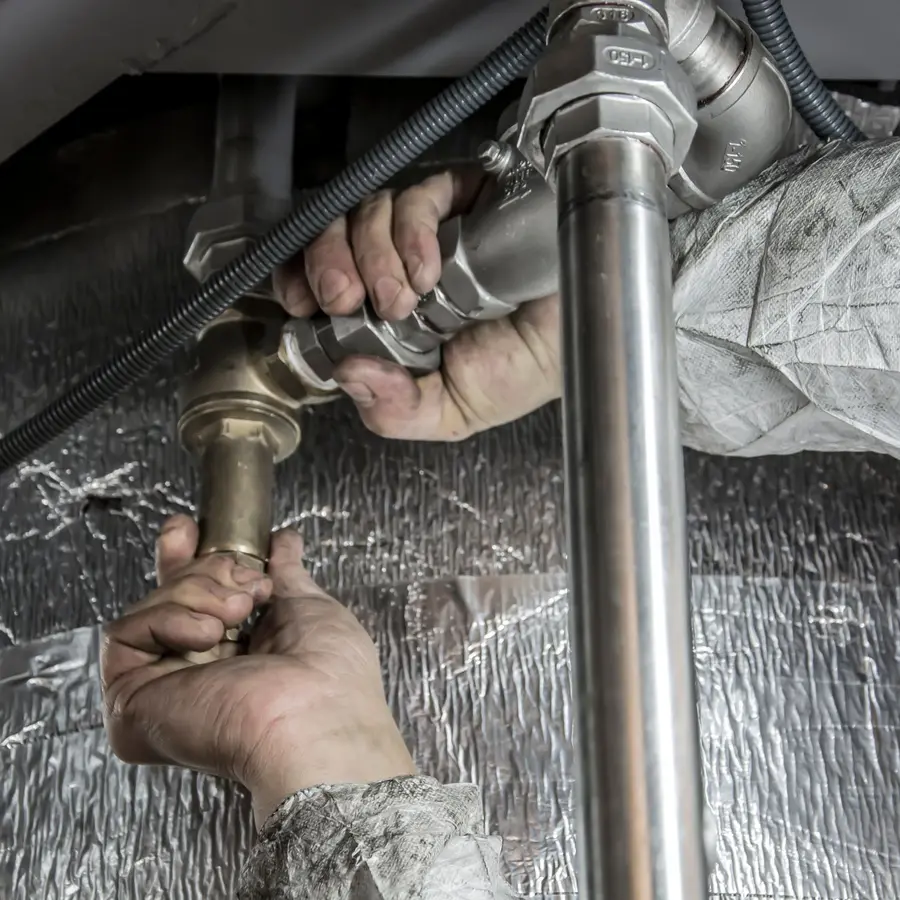
Areas and Property Types Covered
Beckenham has a real mix of heating setups, and each house type brings its own starting point.
- Victorian and Edwardian houses: often converted from gravity systems decades ago, with old pipework under floors and a feed and expansion tank in the loft
- 1920s flats near the stations: tight spaces where a combi and a sealed system make the most of limited room
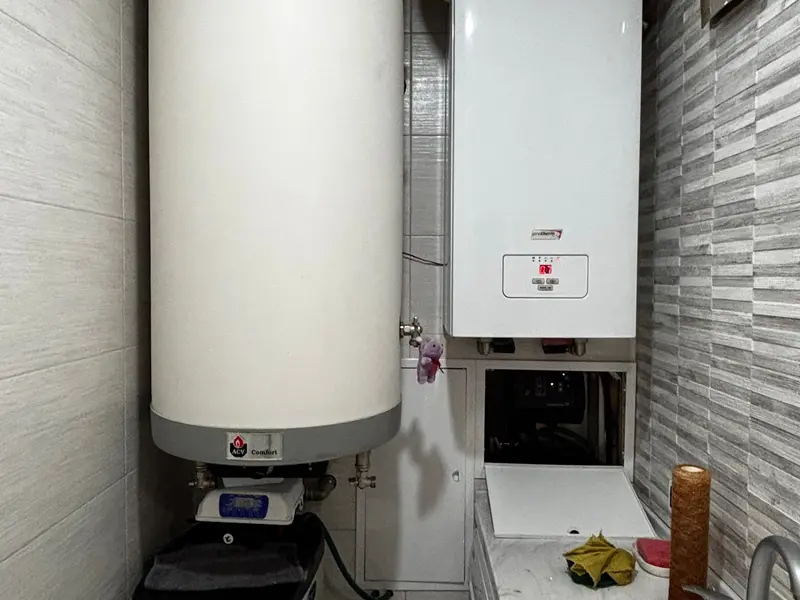
- 1930s semis and terraces: frequently still on open-vented systems with a cylinder in the airing cupboard
Converting an open-vented system to a sealed one removes the loft tanks, cuts down on air getting in and suits a system or combi boiler. Before that conversion we pressure test the old pipework, because a sealed system runs at a higher pressure and will find any weak joints. We also work across Croydon, Eltham, Purley and Welling.