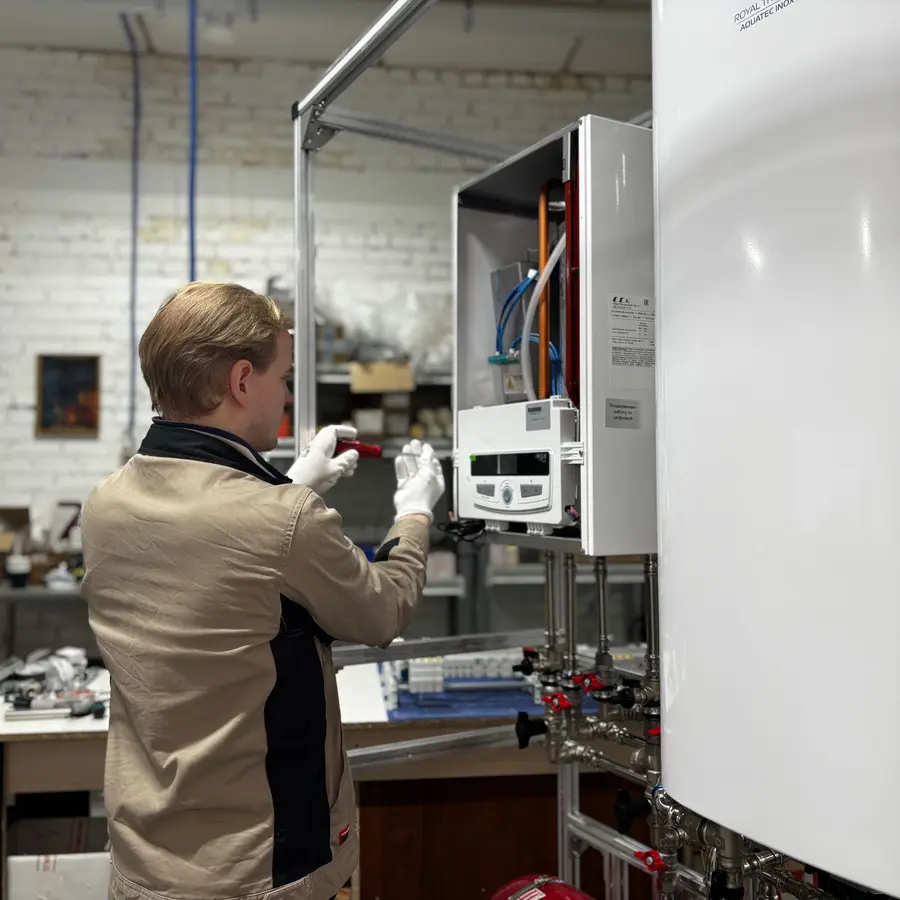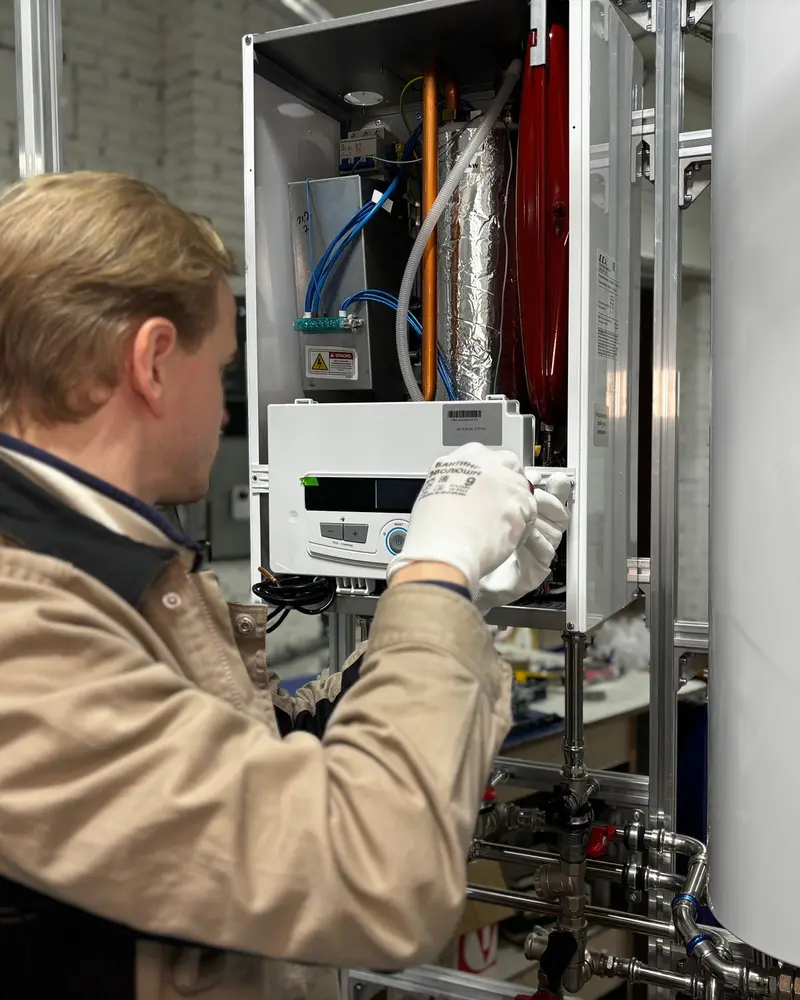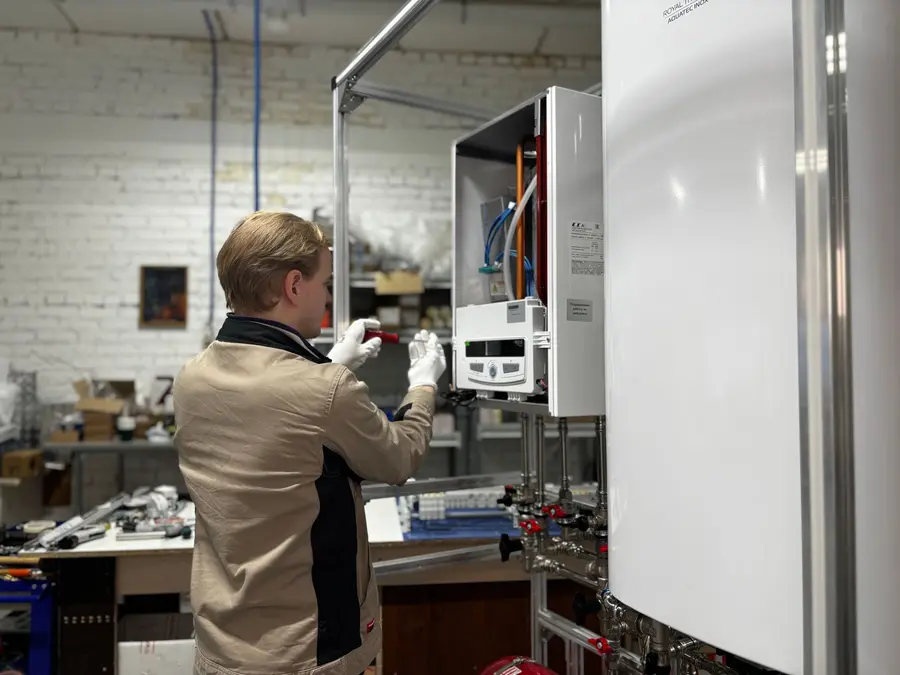
Buying a new boiler is one of the bigger decisions you make about a house, and most of the work that decides whether it runs well for years happens before the box is even opened. The survey, the sizing, the state of the existing pipework and the controls chosen all matter as much as the brand on the front.
EF Heating carries out boiler installation and boiler replacement across Beckenham and the towns around it. We are Gas Safe registered, Vaillant MasterTec qualified and a Glow-worm accredited installer, so both makes are fitted with detailed product knowledge. Many homes here are Edwardian semis and 1930s terraces that have been extended over the years, and a boiler that suited the original layout may be the wrong size or type now.
Our boiler installations cover like-for-like swaps as well as boiler replacements that change the whole system type. Tell us what you have today and what you want the new system to do, using the Quick Quote form, and we will arrange a survey.
What Affects the Cost of a New Boiler
We do not quote boiler prices without seeing the house, because two installs that look alike on paper can be very different jobs. These are the factors that move the price:
- Boiler type and output: a combi, system or heat-only boiler, and the size needed for your heating and hot water demand
- Like-for-like or conversion: swapping a combi for a combi is simpler than removing a cylinder and tanks to go combi
- Moving the boiler: new gas, condensate and flue routes add time and materials
- Flue position: a vertical flue through a roof or a long horizontal run takes more work
- System condition: heavy sludge or failing radiator valves need dealing with first
Controls you choose, such as a smart thermostat or weather compensation, also play a part. Your written quote lists each item so you can see where the cost comes from.
Boiler Replacement Options
There are three main types of gas boiler, and the right one depends on how your household uses hot water.
Combi boilers heat water on demand with no cylinder. They suit flats and smaller houses with one bathroom, where two taps rarely run at once.
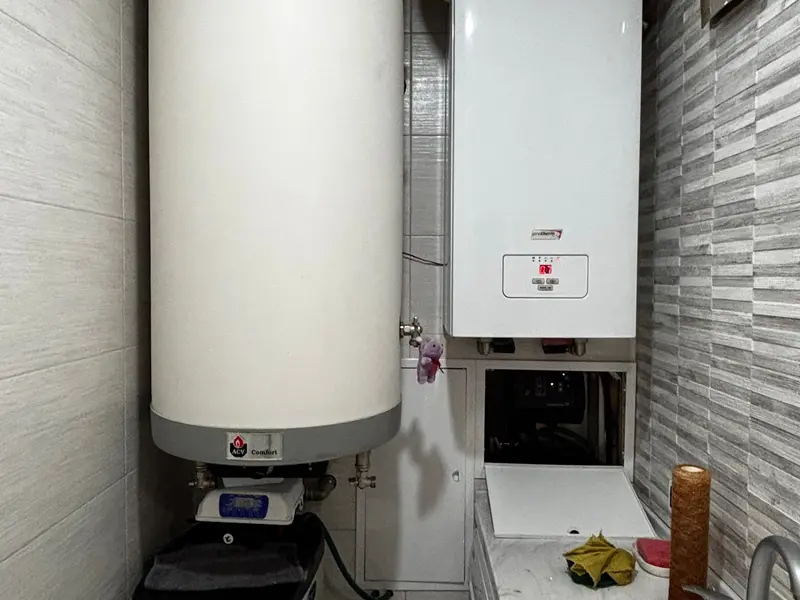
System boilers heat a stored cylinder, often an unvented one fed at mains pressure. They suit homes with two or more bathrooms, where several outlets are used together. If your cylinder is old or you are moving to a mains-pressure setup, we can cover the hot water cylinder installation too.
Heat-only (regular) boilers work with a cylinder plus cold water and feed tanks in the loft. They can make sense where the existing pipework is designed for low pressure or mains flow is weak.
Sizing is based on your hot water demand, the number of bathrooms and the heat loss of the house, not simply the output of the old boiler.
What's Included in a Full Installation
A full installation is more than hanging a boiler on the wall. Each job includes:
- A home survey to confirm boiler type, size, position and flue route
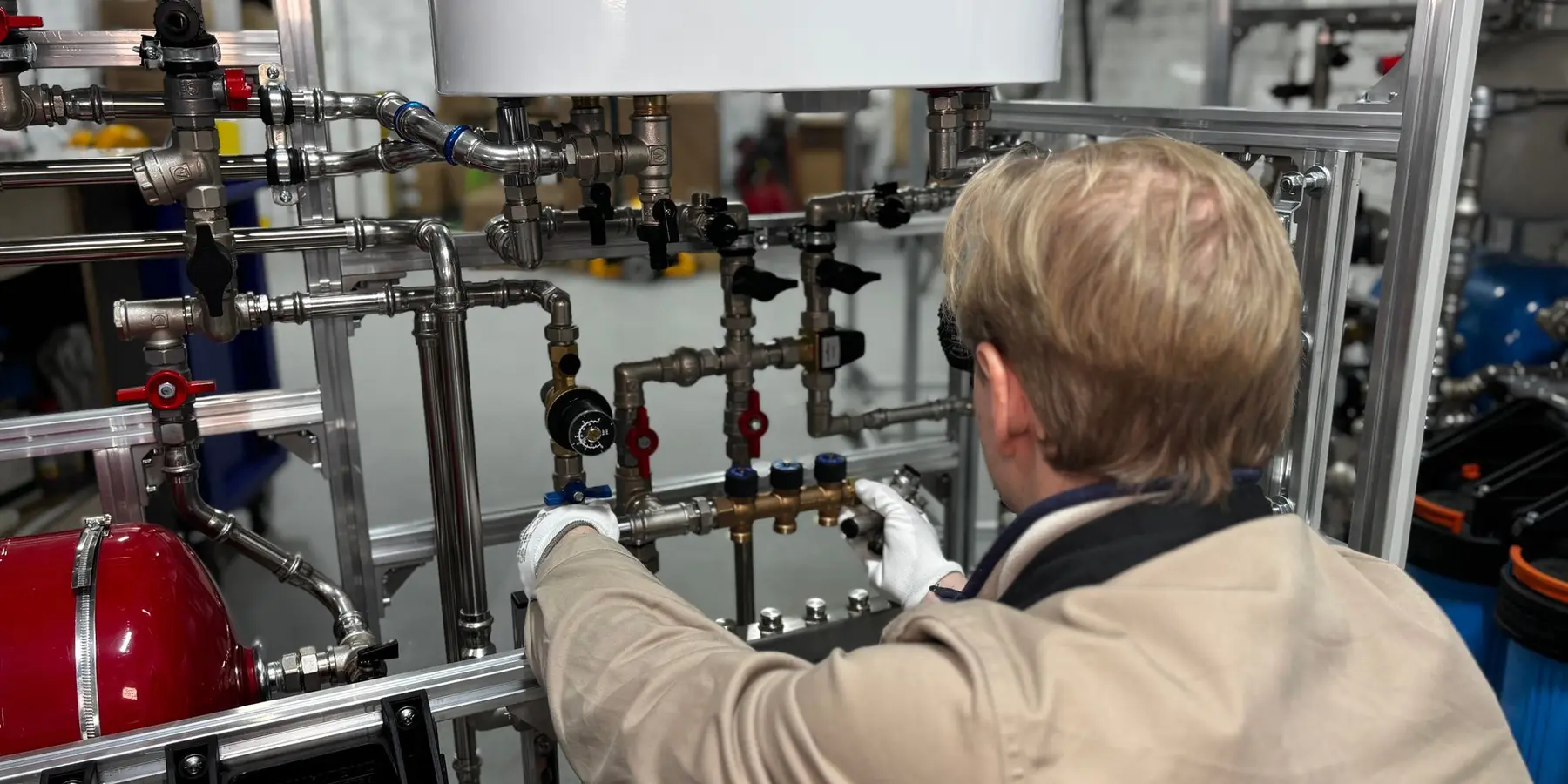
- Flushing and cleaning the existing system so old sludge does not damage the new heat exchanger
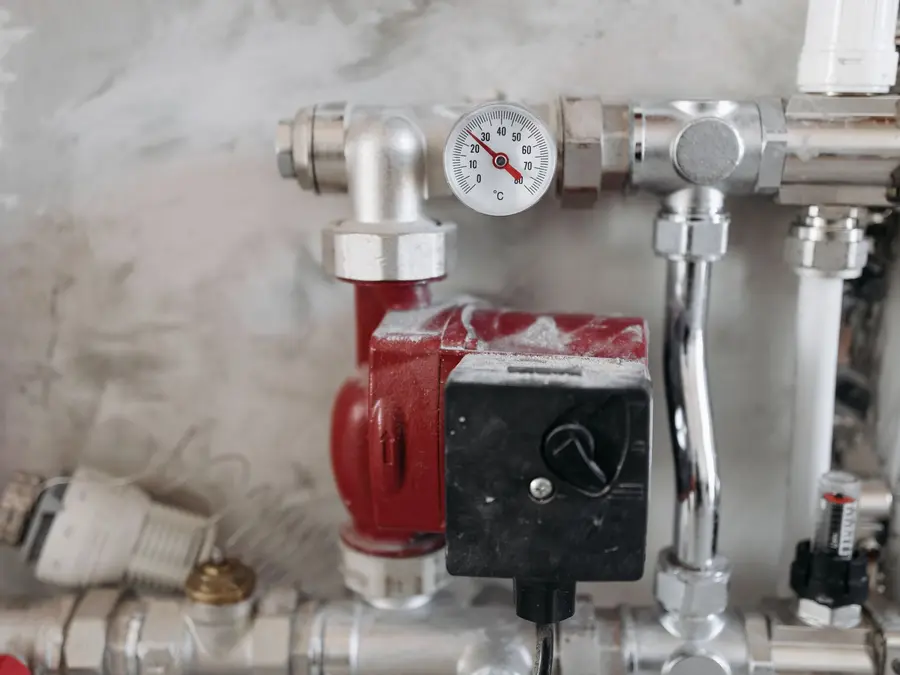
- A magnetic filter on the return pipe to catch debris, and inhibitor added to the system water
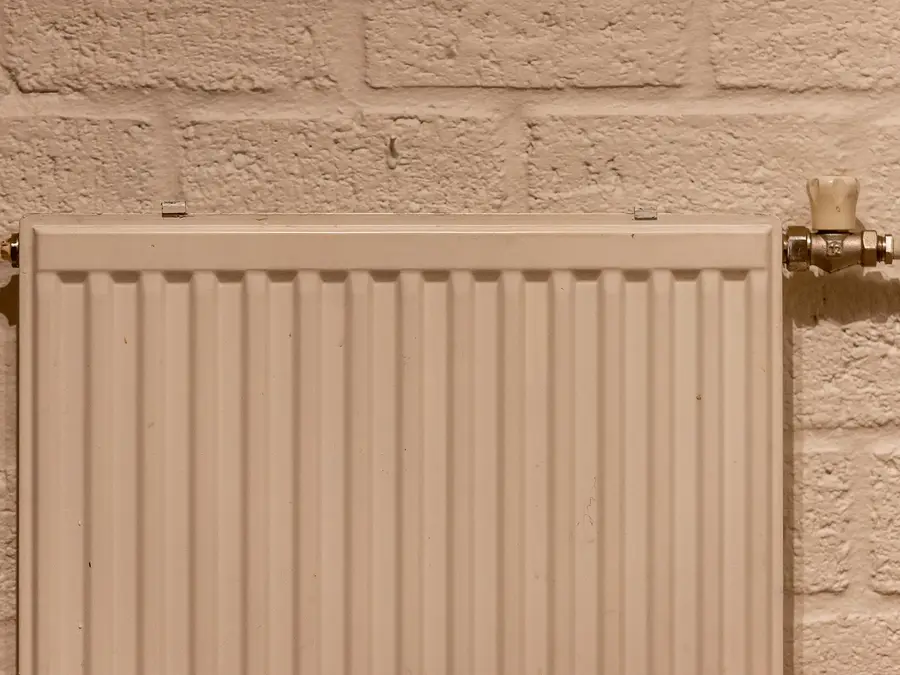
- Suitable controls, such as a programmable or smart thermostat and TRVs where needed
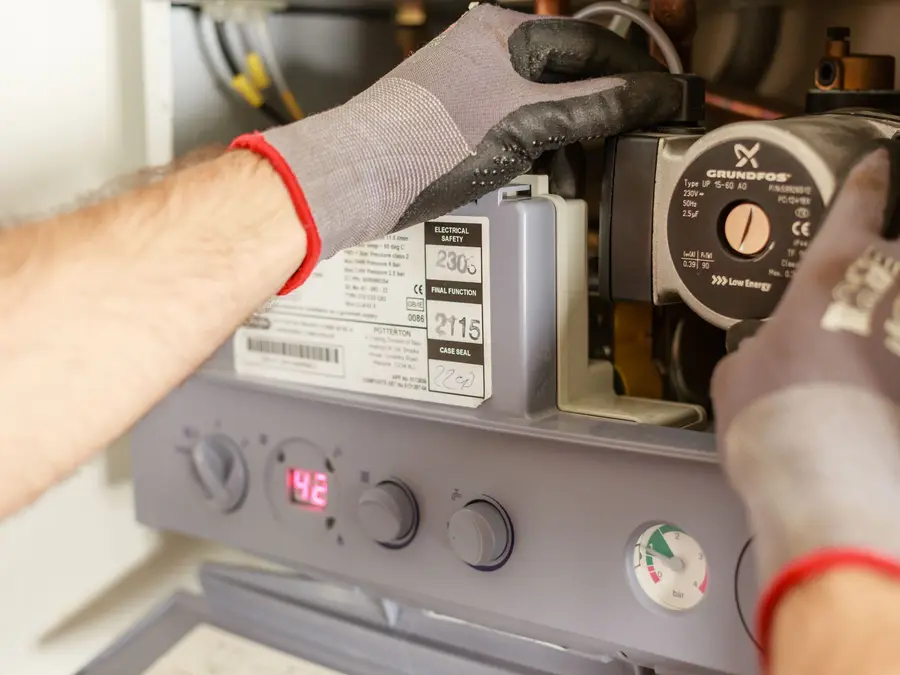
- Commissioning with a flue gas analyser and completion of the benchmark checklist
After that comes the paperwork. The installation is notified under Building Regulations through Gas Safe, which issues a Building Regulations compliance certificate, and we register the boiler with the manufacturer for its warranty. Warranty terms vary by make and model, so check the details on your quote.
Installation Process and Timeline
How long a boiler replacement takes depends on the scope. A straight swap in the same position is quicker than a conversion from a regular system to a combi, which involves removing tanks from the loft, capping pipework and sometimes changing the route of the hot water supply.
Your quote sets out the expected duration so you can plan around it. On the day, the old boiler is drained down and removed, the new one is fixed and connected, and the system is cleaned and refilled with inhibitor. Then comes commissioning: gas tightness testing, combustion analysis, setting the boiler to suit your radiators and a check of every control.
You will be without heating and hot water while the work is under way. If that is a problem, tell us at survey stage and we will talk through how to reduce the time the house is without heat.
Gas Safe Certification and Compliance
Installing a gas boiler is notifiable work. It has to be carried out by a Gas Safe registered engineer and meet the Building Regulations, including Part L requirements on energy efficiency and controls.
When the job is finished you should hold three things: the completed benchmark checklist in the boiler manual, confirmation of manufacturer warranty registration, and the Building Regulations compliance certificate, which arrives by post after we notify the installation through Gas Safe. Keep all three together. You will need them if you sell the house, and the manufacturer may ask for them if you make a warranty claim.
The flue position is also checked against the manufacturer's rules and the regulations on distances from windows, doors and boundaries. This matters in closely spaced terraces, where a flue that suited the old boiler may need to move.
Saving Energy with a New Boiler
Modern gas boilers are condensing boilers. They recover heat from the exhaust gases that older boilers sent straight out of the flue. To do that well, the water returning to the boiler needs to be cool enough for condensing to happen.
That is why flow temperature matters. Many boilers are set far hotter than the house needs. We set the flow temperature to suit your radiators and the heat loss of the rooms, so the boiler spends more time condensing.
- Weather compensation adjusts flow temperature to the outdoor temperature
- Room thermostats and TRVs stop rooms overheating
- A clean system with a filter keeps the heat exchanger working as designed
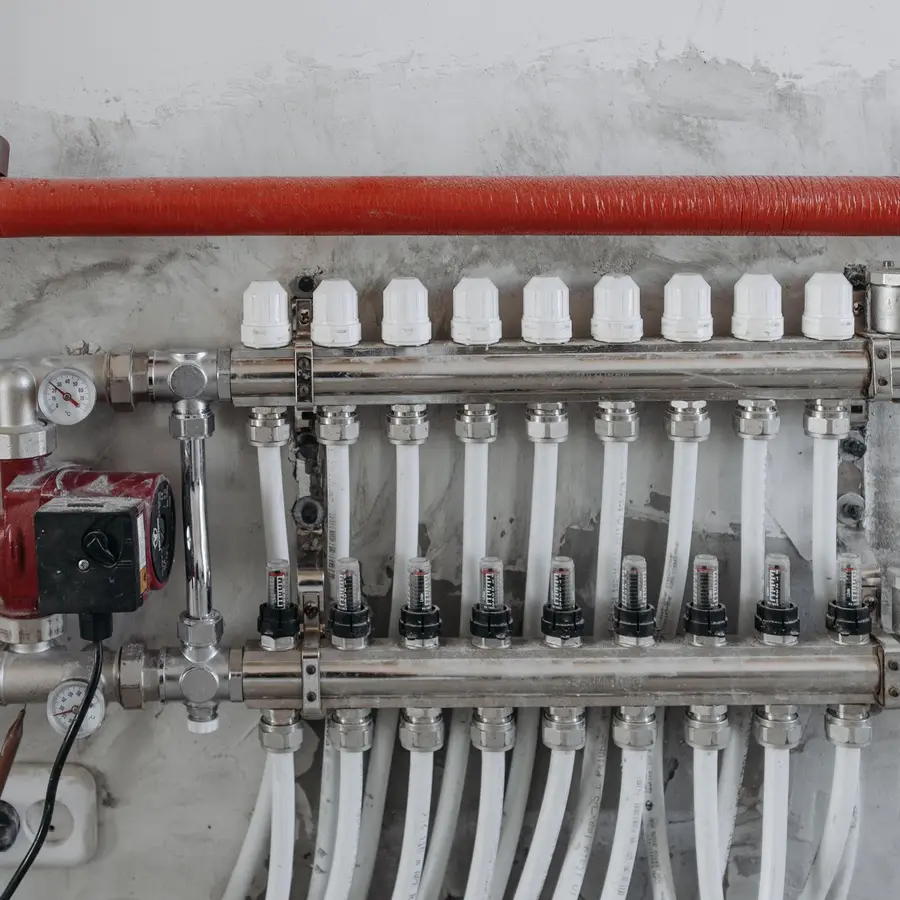
Low temperature heating such as underfloor heating pairs particularly well with a condensing boiler if you are planning an extension or new floor.