First, work out where the blockage is
Before you reach for a plunger, spend two minutes working out where the problem sits. The pattern of symptoms tells you a lot about how far along the pipe the blockage is, and whether it is yours to fix.
- One fixture only: if just the kitchen sink or the shower is slow, and everything else drains normally, the blockage is almost certainly in that fixture's trap or the short waste pipe from it.
- Several fixtures: if the toilet gurgles when the bath empties, or a downstairs sink backs up when the washing machine drains, the blockage is further down, where those pipes join.
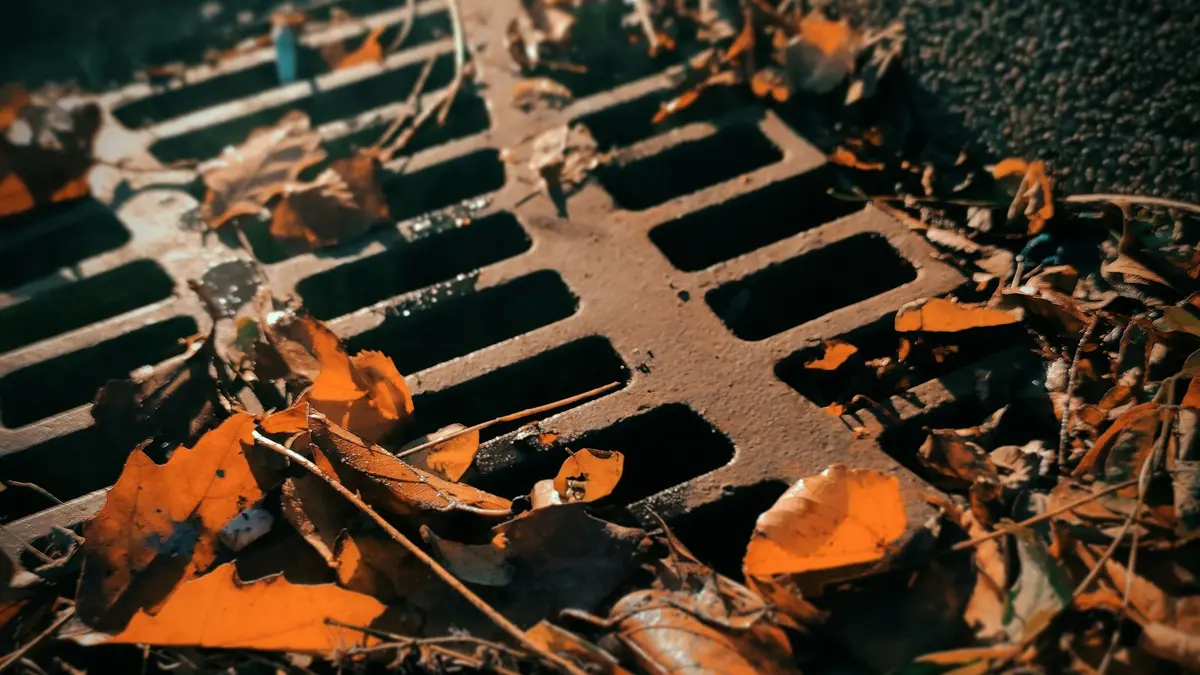
- Outside gully: a gully is the open drain at ground level where kitchen waste or a rainwater pipe discharges. If it is overflowing, it may simply be clogged with leaves, grease or silt at the grid.
- Inspection chamber: if water is rising in the manhole in your garden or driveway, the blockage is in the underground drain downstream of it.
Also think about timing. A sink that has been slowing down for weeks is usually a gradual build-up of grease or hair. A toilet that stopped suddenly after a flush often has a single object caught in it.
In autumn, the leafy streets around Beckenham fill outside gullies quickly, so clearing the grid by hand, wearing gloves, is sometimes all that is needed.
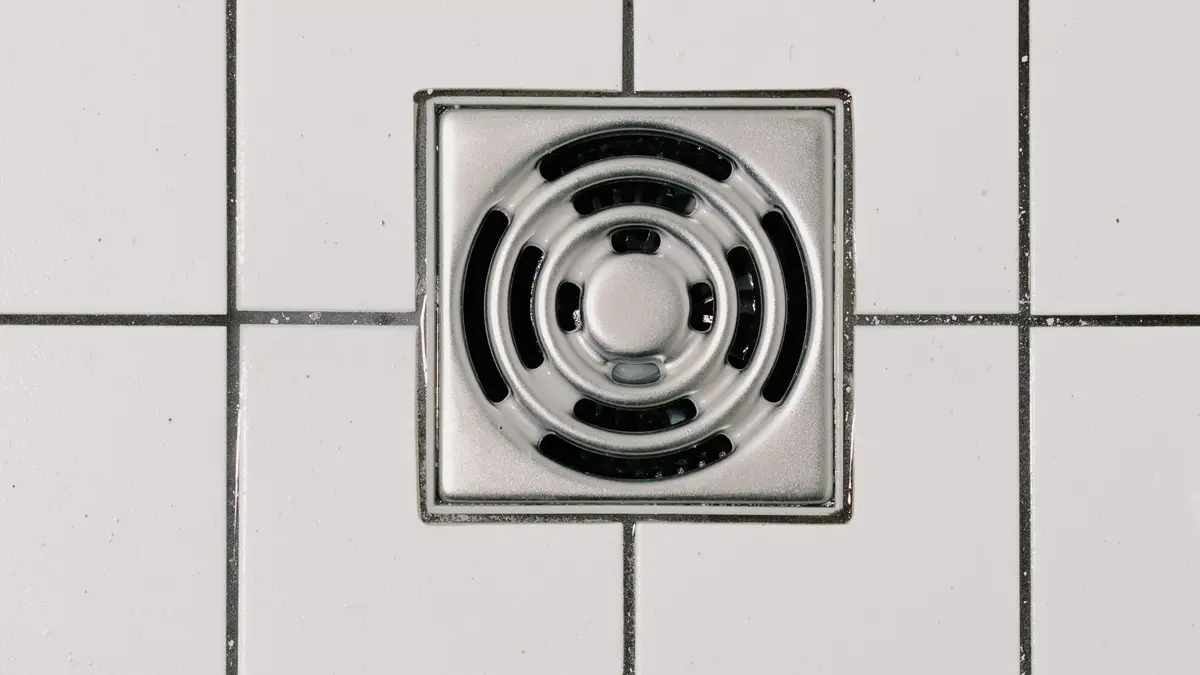
Plunging a sink, shower or toilet properly
A plunger works by pushing and pulling a column of water against the blockage, not by suction alone. Used properly, it clears most single-fixture blockages. Used badly, it just splashes water around.
Getting the technique right
- Use the right tool. A flat cup plunger suits sinks and shower trays. A flanged plunger, with an extra rubber collar, seals into a toilet bowl.
- Leave some water in the basin or bowl, enough to cover the rubber cup. You need water, not air, to transmit the force.
- On a sink or basin, block the overflow with a damp cloth held firmly in place. Otherwise the pressure escapes through the overflow instead of reaching the blockage. On a double sink, block the second plughole too.
- Seat the plunger squarely over the plughole, then push down gently to expel air before working it firmly up and down for 15 to 20 strokes.
- Lift off sharply and see whether the water drains. Repeat a few times if needed.
With showers, pull out the removable trap cover or hair catcher first. Much of the time the blockage is a mat of hair and soap sitting just below the grate, and you can hook it out with a gloved finger or a cheap plastic drain snake.
If plunging moves nothing after a few rounds, stop. Forcing it harder can loosen joints under the sink or push a toilet blockage deeper.
Hot water, washing-up liquid and the trap
Kitchen sinks block for one main reason: fat, oil and grease that go down as liquid, cool in the pipe and set hard. Food scraps then stick to the coating until the pipe narrows to nothing.
For a slow kitchen sink, a gentle first step is a generous squirt of washing-up liquid down the plughole, followed a few minutes later by a kettle of hot water. The detergent helps break up grease and the heat softens it. Do this two or three times. Use hot rather than boiling water if your waste pipes are plastic or the sink has a ceramic finish, as repeated boiling water can soften joints and crack some sinks.
Clearing the trap
If that does not work, the trap under the sink is the next place to look. Most modern traps unscrew by hand.
- Put a bowl underneath and have old towels ready.
- Unscrew the trap nuts and lift the trap away.
- Empty it and clean out the sludge with an old brush.
- Check the rubber washers are sitting correctly before you refit it.
- Run the tap and look for drips at every joint.
If the trap is clean but the sink still backs up, the blockage is further along the waste pipe or where it meets the main drain. That is the point where a drain rod or professional equipment is needed, and where a general local plumber can also check the waste pipework is laid with enough fall.
Why chemical drain cleaners cause trouble
Shop-bought drain unblockers and caustic soda look like the easy answer. In reality they cause a large share of the drain problems that end up needing professional help.
The reasons are practical:
- They can damage pipes and seals. Strong alkaline and acid products generate heat and attack rubber washers, older metal pipes and some plastic joints. Repeated use can leave you with a leak as well as a blockage.
- They can make grease blockages worse. Caustic soda reacts with fat to form a soapy mass. It may clear a channel for a while, but the residue often sets further down the pipe.
- They rarely reach the real problem. If the pipe is fully blocked, the chemical sits in the trap on top of standing water, doing little except making that water dangerous.
- Mixing products is hazardous. Pouring one cleaner on top of another, or adding bleach, can release harmful fumes.
The biggest risk comes afterwards. If a professional then plunges, rods or jets a drain full of caustic water, it can splash back onto skin and into eyes. If you have already used a chemical product, always tell whoever comes to clear the drain, including what it was and when. They may need to take extra precautions or wait before starting.
If you do want a product for regular maintenance, enzyme-based cleaners are gentler, but they are for prevention, not for shifting a solid blockage.
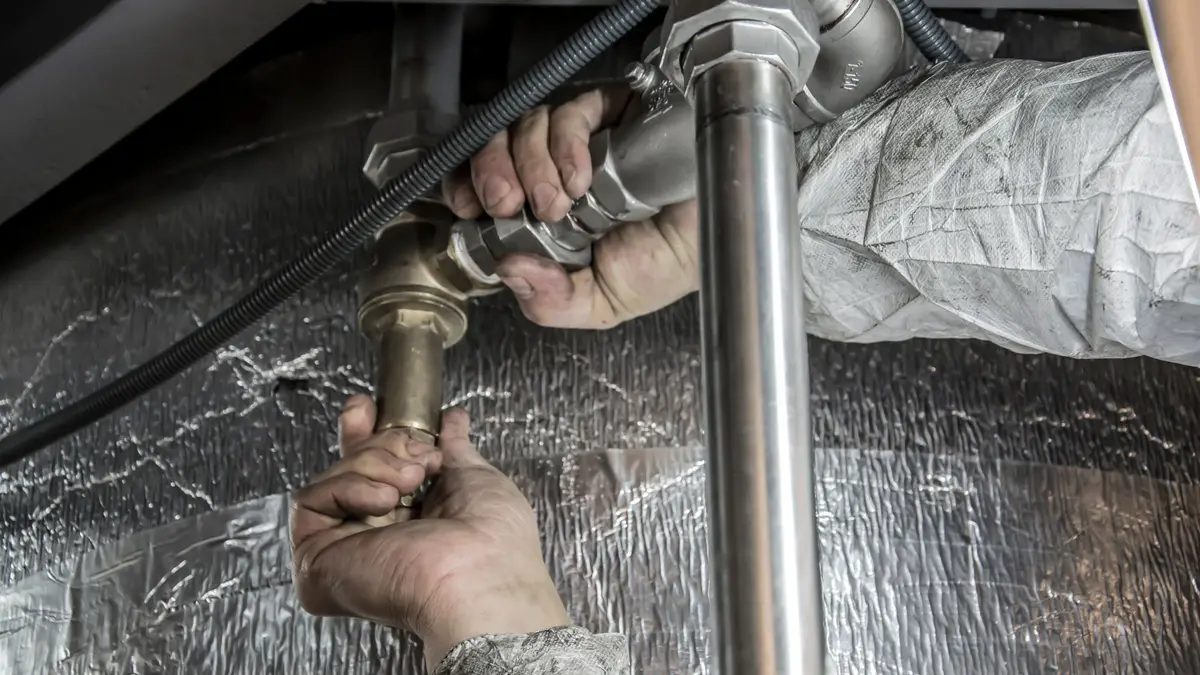
Inspection chambers and whose drain it is
If several fixtures are affected, the inspection chamber tells you where to look. It is the rectangular or round cover, usually in a garden, side passage or driveway, giving access to the underground drain.
Lift it carefully with gloves and a screwdriver or lifting keys under the edge, keeping your back straight. Covers can be heavy and edges sharp. Keep children and pets away while it is open.
- Chamber full of water: the blockage is downstream, between this chamber and the next one or the sewer.
- Chamber empty or flowing: the blockage is upstream, between the house and this chamber.
If you have more than one chamber, checking each shows you the section that is blocked.
Who is responsible
As a general rule, the drain that serves only your property and sits within your boundary is your responsibility. Once a drain is shared with a neighbour, or runs beyond your boundary to the public sewer, it is in most cases the responsibility of the local water company. In Beckenham and this part of south-east London, that is Thames Water. If the blockage is in a shared section or the public sewer, report it to them before paying for work. Chambers serving terraced houses in older Beckenham streets are often shared, so it is worth finding out which run your chamber sits on.
What not to flush, and simple prevention
Most blockages are avoidable. A toilet is designed for three things only: human waste, toilet paper and water. Anything else is a gamble.
Keep these out of toilets and sinks
- Wet wipes, including those labelled "flushable". Many do not break down in the way toilet paper does and they tangle into ropes inside drains and sewers.
- Fats, oils and grease from cooking. Let them cool in the pan, wipe with kitchen roll and put it in the bin, or pour cooled fat into a container.
- Cotton buds, cotton pads, dental floss, sanitary products and nappies.
- Coffee grounds, rice and pasta, which swell and settle in pipes.
- Paint, solvents and building waste such as grout or plaster.
Habits that keep drains clear
- Fit inexpensive strainers in kitchen sink and shower plugholes and empty them regularly.
- Scrape plates into the food waste bin before washing up.
- Clean shower traps every few weeks, before hair builds up.
- Clear leaves from outside gullies and rainwater grids in autumn.
- Run plenty of hot water through the kitchen sink after washing greasy pans.
Keep a bin in every bathroom, so there is always somewhere other than the toilet for wipes and cotton buds. Guests and children are the usual source of unexpected blockages, and a visible bin removes the temptation.
When to call a professional
Plungers and trap cleaning deal with blockages close to the fixture. Some signs mean the problem is deeper or more serious, and continuing to try DIY fixes can cause damage or spread dirty water around the house.
- Persistent smells from plugholes, gullies or around the house, which can point to a partly blocked or damaged drain.
- Gurgling from toilets or sinks when other appliances drain.
- Repeated blockages in the same place, which usually mean a structural problem such as a cracked pipe, displaced joint or root intrusion.
- Water backing up in several places, or sewage in a gully or inspection chamber.
- Rats or signs of subsidence near the drain run.
A professional drain unblocking service uses drain rods, high-pressure water jetting and, where needed, a CCTV camera survey to see inside the pipe. The camera shows whether the drain is simply blocked or whether a defect is causing repeated problems, which is the difference between a one-off clear and a repair.
If waste water is coming up through a floor drain, toilet or shower tray and you cannot stop using water in the house, treat it as urgent and book an emergency plumber. Stop running taps and flushing until it is cleared, keep people away from contaminated water, and wash hands thoroughly after any contact.