What a gas safety record actually is
Most people call it a gas safety certificate or a CP12, after the name of an old form. The legal term is a landlord gas safety record. It is the written result of an annual safety check on the gas appliances, fittings and flues you provide in a rented home, and the duty comes from the Gas Safety (Installation and Use) Regulations.
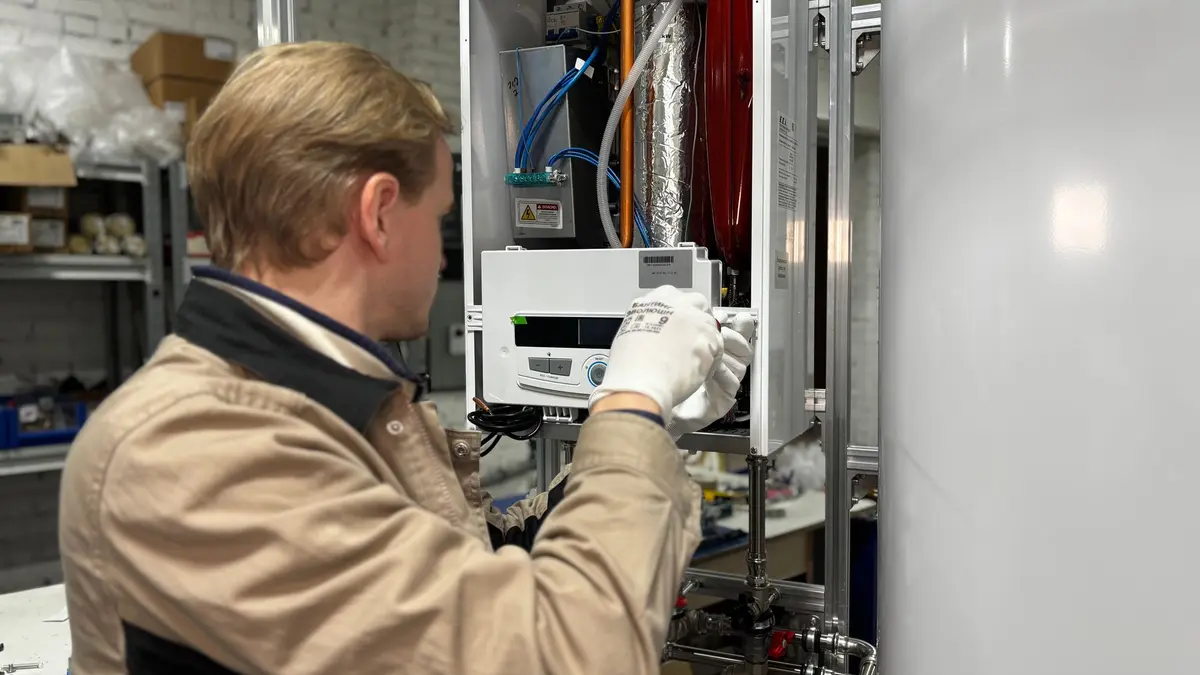
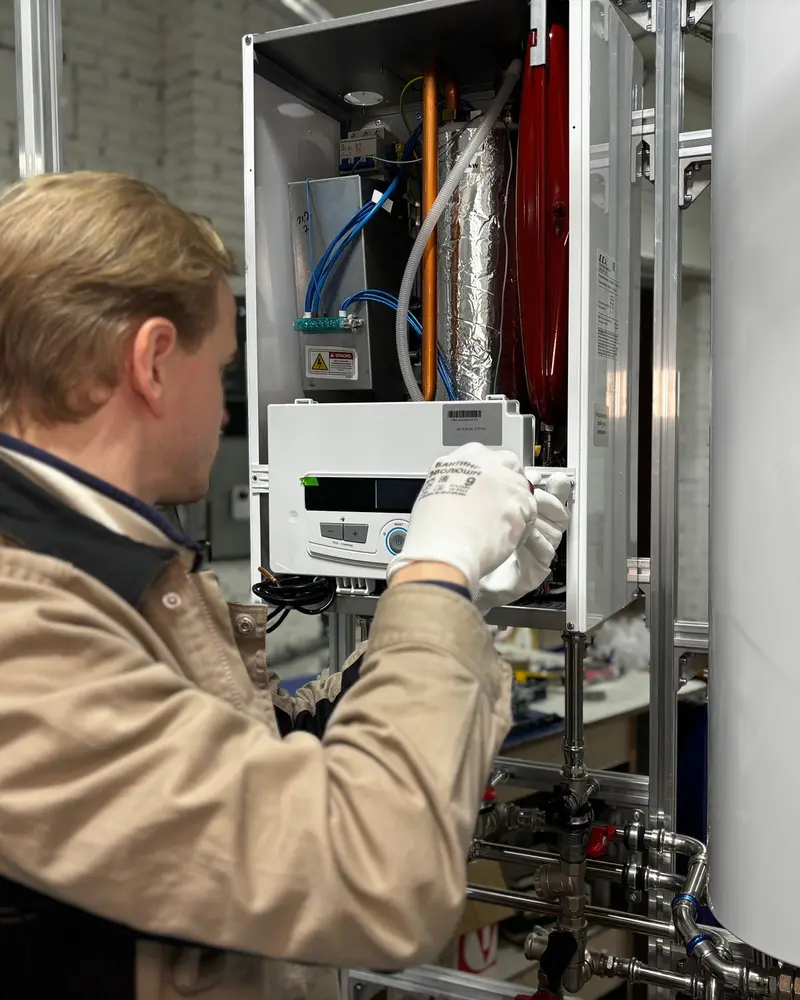
The check must be carried out by a Gas Safe registered engineer. Before the visit it is worth checking the engineer's Gas Safe ID card, which shows the categories of work they are qualified for, such as boilers, cookers or gas fires. Anyone doing gas work for payment has to be on the register.
A completed record normally includes:
- The address of the property and the date of the check.
- Your name and address, or your agent's.
- A description and location of each appliance and flue checked.
- Any defects found and the action taken.
- The engineer's name, signature and Gas Safe registration number.
The record covers appliances and flues that you own and supply. An appliance that belongs to the tenant, such as a cooker they brought with them, is generally their responsibility, although the pipework that feeds it usually remains yours to keep safe. If in doubt, ask the engineer to note clearly on the record what was and was not checked.

Who counts as a landlord
The rules reach further than many people expect. You are likely to have landlord duties for gas safety if you let:
- A house or flat on an assured shorthold or other residential tenancy.
- Rooms in a house in multiple occupation (HMO), including shared kitchens and bathrooms.
- A room in your own home to a lodger, for the appliances in the areas they use.
- Holiday lets, student accommodation and other short-term residential lets.
- Social housing, whether through a council or a housing association.
In a lodger arrangement, the boiler that heats the whole house counts, even though you live there too. In an HMO, the check needs to cover every appliance you provide, which can mean several boilers, water heaters and cookers across the building.
Where letting agents fit in
Many landlords use an agent to arrange the annual check. The regulations allow the duty to be handled by a managing agent where the management contract makes that clear. In practice, the safest approach is to have the responsibility spelled out in writing, and to ask the agent for a copy of each new record so you can see it has been done. If the paperwork is missing or late, it is the landlord who is most exposed.
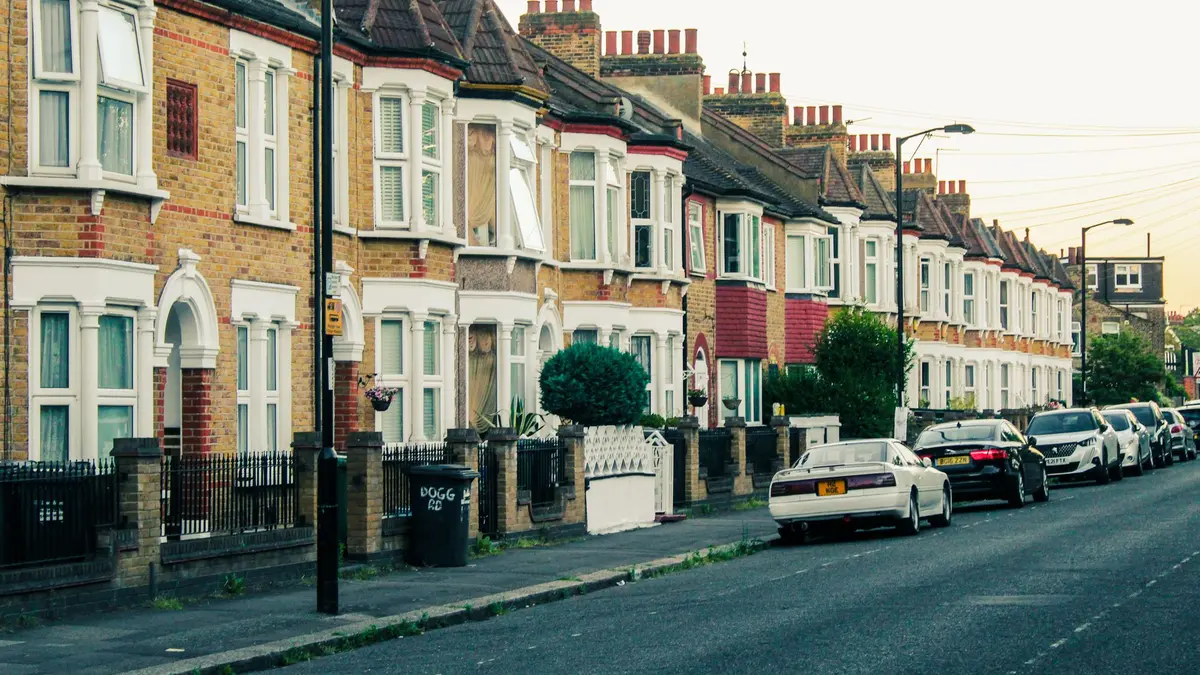
Beckenham has plenty of converted Victorian and Edwardian houses split into flats, and each flat with its own boiler needs its own check and record.
What the engineer checks on the day
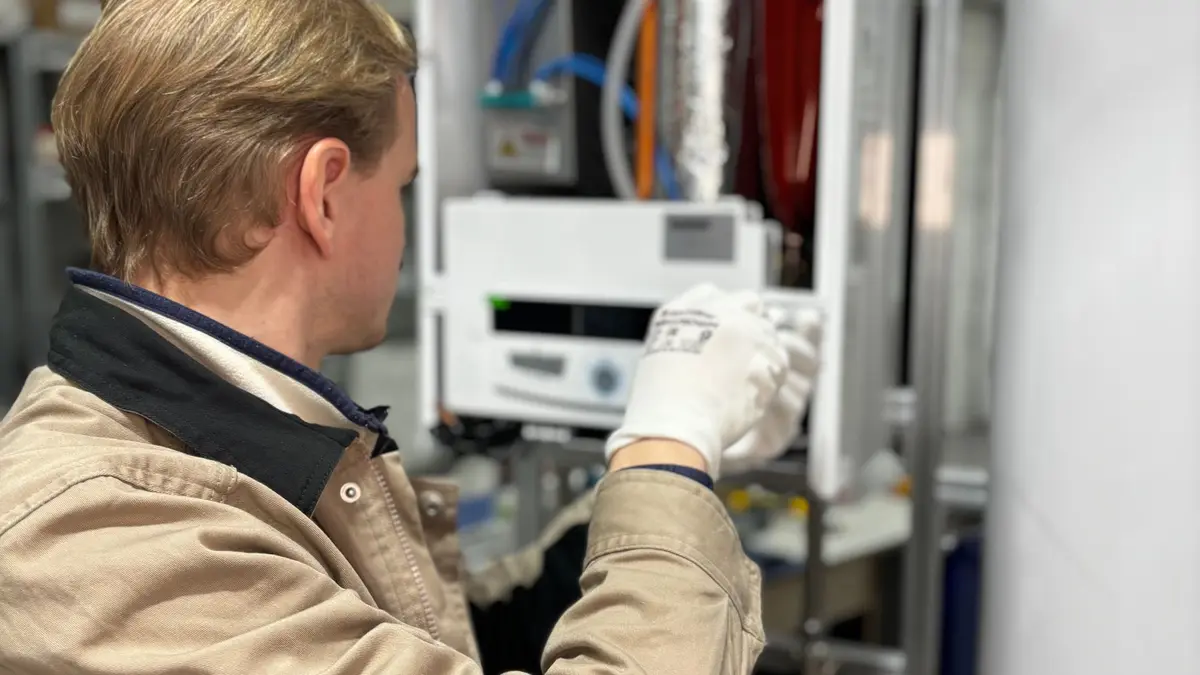
A gas safety check is a safety inspection, not a full service, although the two are often booked together. The engineer is confirming that each appliance and flue is safe to use. For each one, they will typically look at:
- The appliance and its flue: that it is correctly installed, in good condition and that combustion products are carried safely outside. For open-flued appliances this includes a flue flow or spillage test.
- Ventilation: that any air vents the appliance needs are present, the right size and not blocked. Tenants sometimes tape over vents in winter, which is a real hazard.
- Burner pressure or gas rate: that the appliance is burning the correct amount of gas, set against the manufacturer's figures.
- Safety devices: that flame failure devices and other shut-off controls work as they should.
- Gas tightness: a tightness test on the installation where appropriate, to confirm there are no leaks.
Many engineers also carry out a flue gas analysis on the boiler to measure how cleanly it is burning. A visual check of accessible pipework and the meter area is common too.
The check does not replace an annual service. A service involves cleaning and adjusting components to keep the appliance running well, and manufacturers usually require one to keep a warranty valid. Booking a boiler service at the same visit is sensible and saves arranging access twice.
Paperwork, tenant copies and record keeping
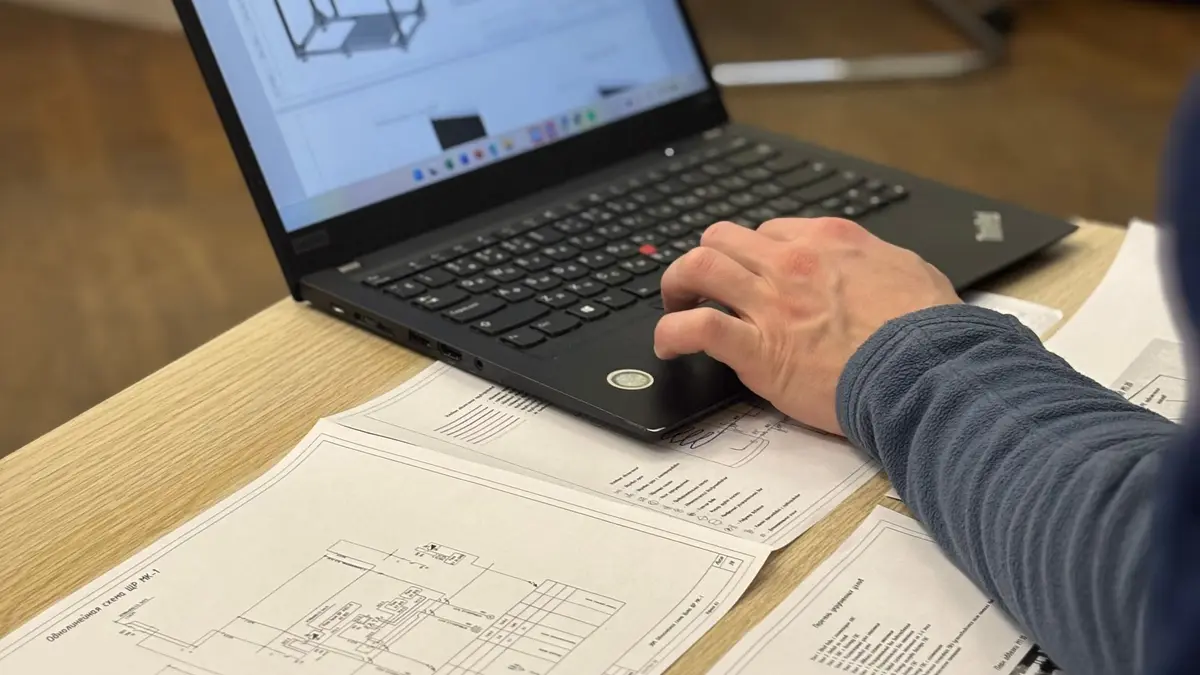
Getting the check done is only half the duty. The record then has to reach the right people within set time limits.
- Existing tenants must be given a copy within 28 days of the check being completed.
- New tenants must be given a copy of the current record before they move in.
- For some short lets of under 28 days, displaying a copy prominently in the property can be acceptable instead.
- You must keep each record for at least two years, so you can show a history of checks if asked.
Digital copies are widely used. An emailed PDF is normally fine for tenants, provided they have agreed to receive documents that way and can open and print it. Keep a note of when and how each copy was sent.
A simple system saves stress later. One folder per property, holding the records, the dates tenants received them and any correspondence about access, is enough for most small portfolios. Put the next due date in your calendar with a reminder around two months ahead.
In England, having a valid gas safety record and having given it to the tenant also affects other parts of the tenancy. For example, failing to provide it can cause problems if you later need to serve notice. The detail here changes over time, so take advice on current possession rules rather than relying on memory.
Timing the annual check without losing months
The check must be done at least every 12 months. Booking it too early used to mean the renewal date crept forward each year, which pushed landlords into leaving it until the last week. The regulations now include a useful flexibility.
If the new check is carried out between 10 and 12 months after the previous one, the new record can keep the original expiry date. In other words, you can have the check done up to two months early without losing any time. The engineer notes the dates so the record shows it was completed within that window.
This matters in practice for several reasons:
- It gives you time to rebook if a tenant is away or the first appointment falls through.
- Any remedial work found at the check can be done before the old record runs out.
- You can group checks for several properties on one day while keeping each property's own date.
If you do the check earlier than 10 months, the 12 month clock restarts from the new date. That is not a problem legally, it simply shortens the cycle.
For landlords with several flats in the same Beckenham street or block, lining the dates up this way can mean one visit covers every unit, with fewer disruptions for tenants and fewer chances of a date slipping. Just make sure each property still has its own separate record.
When an appliance fails the check
Engineers follow an industry procedure for unsafe situations, and there are two classifications a landlord needs to understand.
Immediately Dangerous (ID)
The appliance or installation poses an immediate risk to life or property if left connected, for example a dangerous flue fault or a gas escape. The engineer will ask permission to disconnect it from the gas supply and will attach a warning label. It must not be used or reconnected until the fault has been put right by a Gas Safe registered engineer. If permission to disconnect is refused, the engineer may report the situation to the gas emergency service provider.
At Risk (AR)
One or more faults exist that could become dangerous, but the appliance is not an immediate danger. The engineer will normally turn it off, with permission, label it, and advise that it should not be used until repaired.
You may also see a note that something is Not to Current Standards. That is not an unsafe situation, simply an item that would not meet today's installation standards, and the engineer will advise on it.
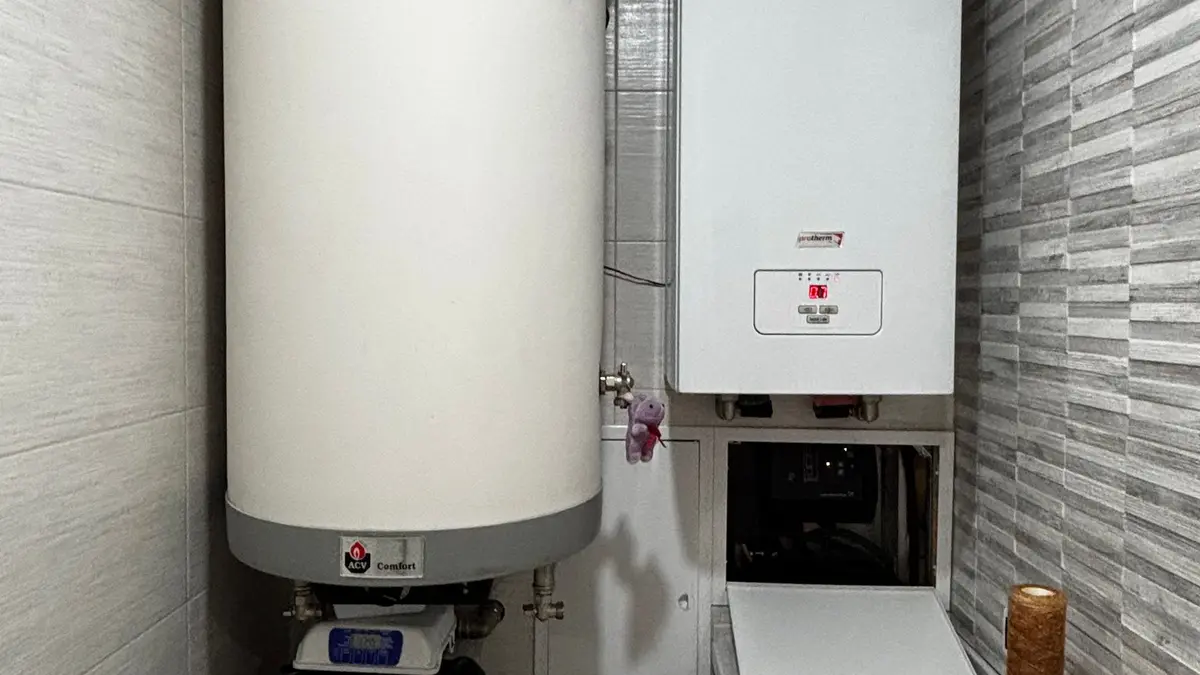
A failed appliance does not usually mean a failed record for the whole property, but the record will state the defect and the action taken. As the landlord, you are responsible for arranging the repair promptly and making sure tenants have heating and hot water in the meantime where you can. Many faults found at a check can be dealt with through a straightforward boiler repair.

Carbon monoxide alarms and access problems
In England, landlords must fit a carbon monoxide alarm in any room used as living accommodation that contains a fixed combustion appliance, such as a gas boiler, gas fire or wood burner. Gas cookers are excluded from this requirement, although many landlords fit an alarm in the kitchen anyway. If a tenant reports that an alarm is faulty, you must repair or replace it. Test alarms at the start of each new tenancy and record that you have done so. Rules differ in Wales and Scotland, so check the local requirements if you let property there.
When a tenant will not give access
Sometimes the check cannot happen because a tenant does not respond or keeps cancelling. The law expects you to take all reasonable steps, and to be able to prove it. A sensible approach:
- Write to the tenant explaining why the check is needed and offering a date and time.
- Offer alternative appointments, including different times of day.
- Keep copies of every letter, email and text, with dates.
- Note any missed appointments and what the engineer was told on the doorstep.
Do not force entry. Keep trying, keep records, and take advice if it drags on.
A landlord gas safety certificate is only as useful as the paper trail around it. Finally, share the emergency advice with tenants: if they smell gas, call the National Gas Emergency Service on 0800 111 999, open windows, avoid switches, and turn the gas off at the meter if safe.