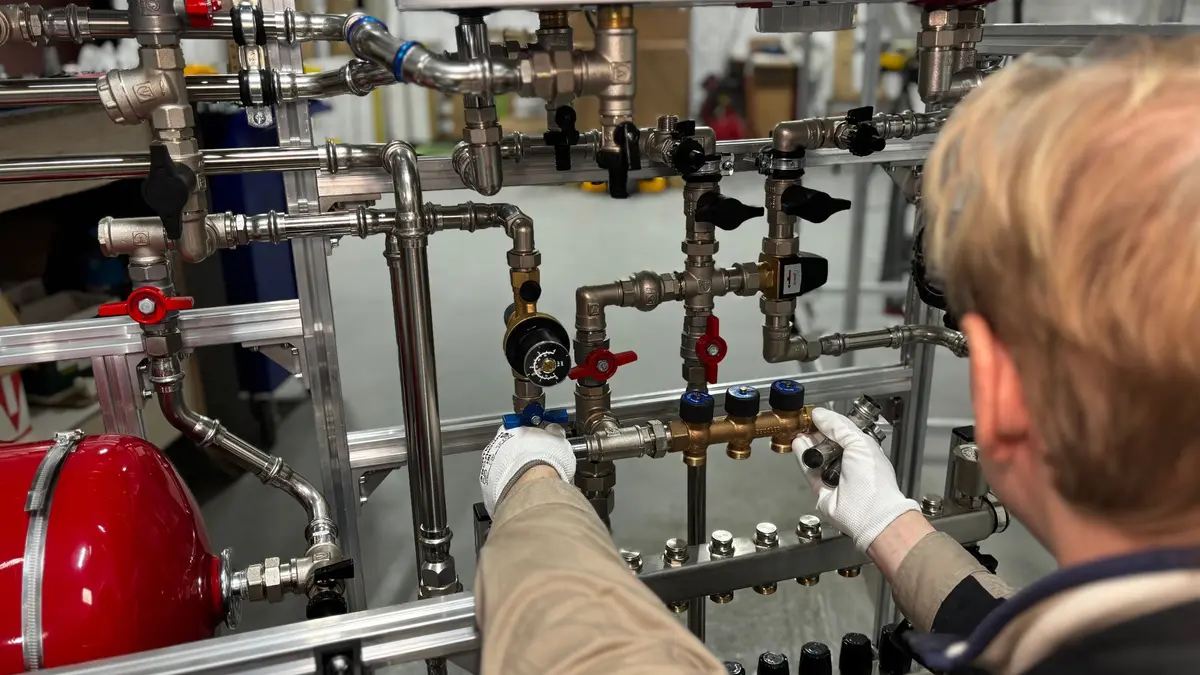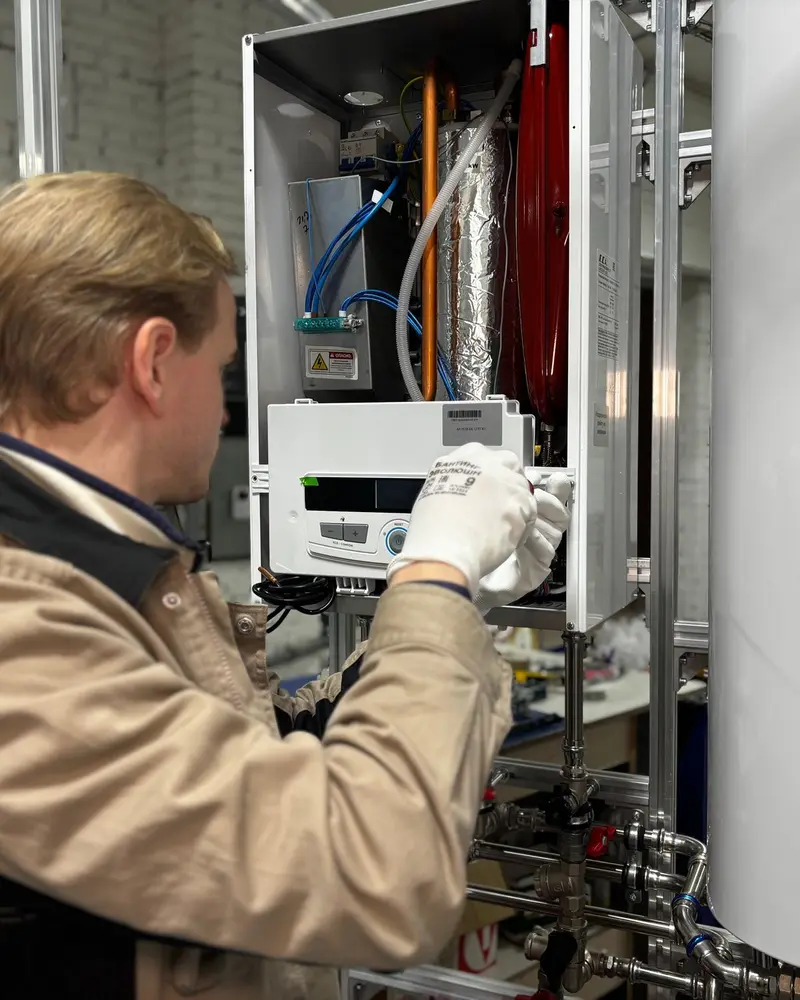
Letting someone open up pipes or touch the boiler in your home is an act of trust, and most bad plumbing jobs begin with a price that was never written down. EF Heating works as a plumber across towns within about 20 miles of Beckenham.
What You Need To Know
- The usual sequence a poor plumbing job follows, step by step
- Which gas and water rules apply to work in your home
- Warning signs that tell you to pause before work starts
- Common mistakes that let a poor job slip through unnoticed
- What you can safely check yourself and what needs a professional
We are a plumbing and heating business covering Beckenham and the towns around south-east London within twenty miles, and every price is written down before work starts. People across the area also come to us for a plumber in Beckenham.
Send EF Heating your job details through the form and get a written quote, anywhere within about 20 miles of Beckenham, before a single tool comes out.
How to spot a dodgy plumber?
To spot a dodgy plumber, look for a pattern rather than one slip: no written price before work starts, pressure to decide on the doorstep, a demand for most of the money up front, vague answers about the fault, and anyone working on gas who cannot show a current registration card.
Send your job details through the form and EF Heating will reply to arrange a visit and a written plumbing quote before anything is touched.
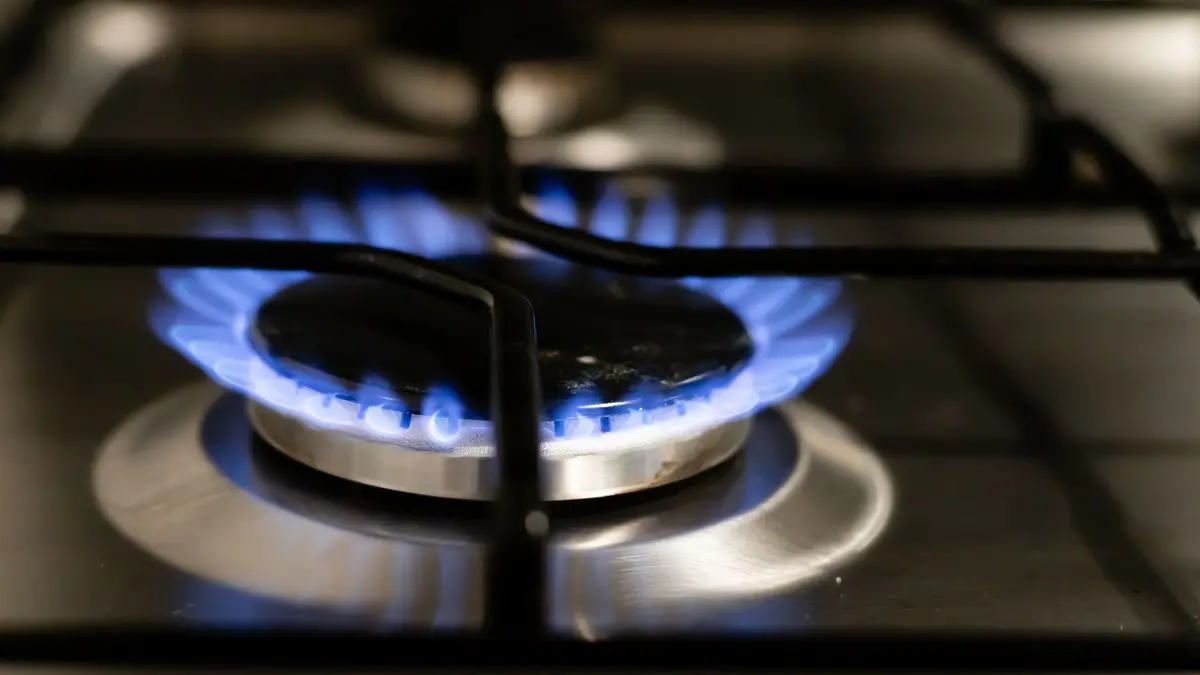
How a poor job tends to unfold
Bad jobs rarely look bad at the start. Most follow the same sequence, and once you see it as a sequence it is easier to stop it early.
- First contact is vague. No full business name, no address for paperwork, nothing in writing.
- The diagnosis is fast and hard to check. A part has gone, or the whole system needs replacing, and you are not shown why.
- The price is spoken. It changes once the floor is up or the system is drained, and there is no paper to hold it to.
- Money comes before work. Often cash, often a large share, often with no invoice.
- The ending is loose. The job is left half done, or the fault comes back and the person is hard to reach.
Proper plumber services run the other way round. Someone looks at the job, explains the fault in terms you can follow, and puts the price in writing before anything starts. That is how we work: a person reads each request sent through our form, replies to arrange a visit, and gives a written price first.

The rules that cover plumbing and gas work
Gas is the one area with a hard legal line. Anyone who works on a boiler, gas fire, cooker or gas pipework in your home must be on the Gas Safe Register. Each registered engineer carries a photo card, and the back of it lists the types of appliance they can work on. A card for cookers does not cover boilers, so read both sides and check the number against the register online.
Other rules apply too. A replacement boiler should be notified under Building Regulations, and you should receive a certificate confirming it. Unvented hot water cylinders carry safety valves that need someone trained on that type of system. Landlords need a gas safety check on their appliances every year, with a record to show for it. If paperwork for any of these never appears, treat that as a warning in itself.
Send your job details through the form and EF Heating will reply to arrange a visit and a written plumbing quote before anything is touched.
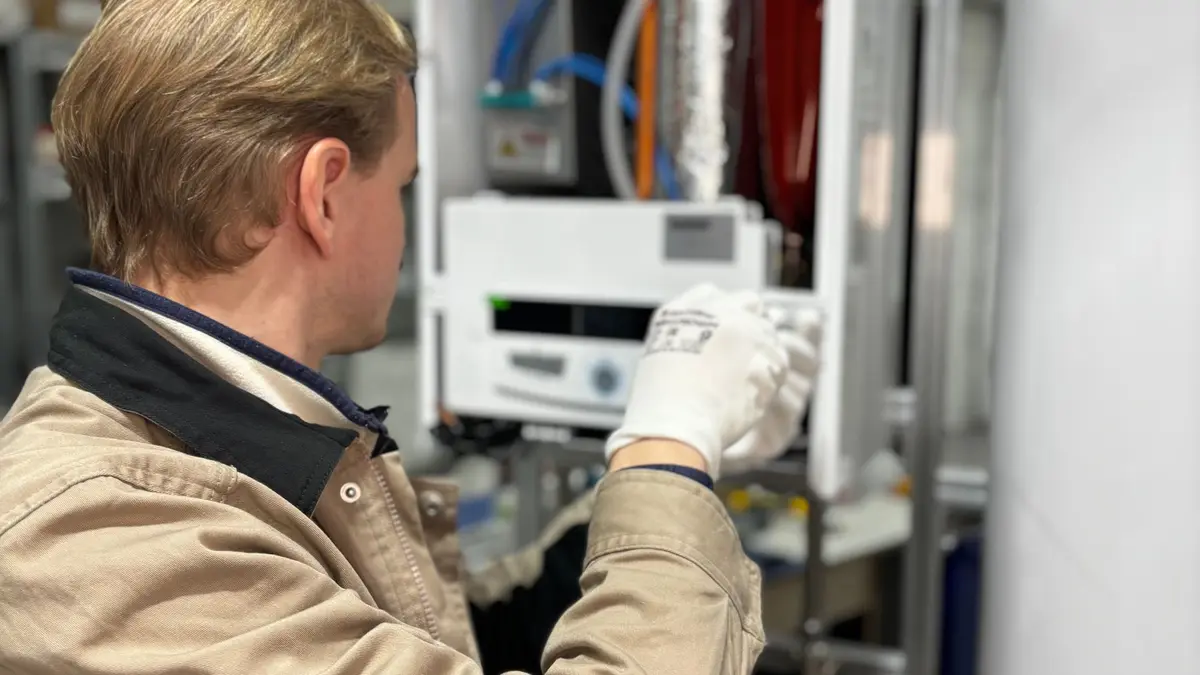
Warning signs that tell you where you stand
One of these alone may be nothing. Two or three together is a reason to pause.
- No written quote, or a quote with no breakdown of parts and labour.
- A price that is only good today.
- A knock on the door from someone who has spotted a problem with your roof, pipes or boiler.
- Reluctance to show you the old part that was supposedly broken.
- No gas registration card, or a card that does not cover your appliance.
- The price moving mid job with no explanation you can follow.
- Cash only, with no receipt.
Some of the quieter habits of the trade are covered in our piece on what plumbers won't tell you, which is worth reading before any larger job.
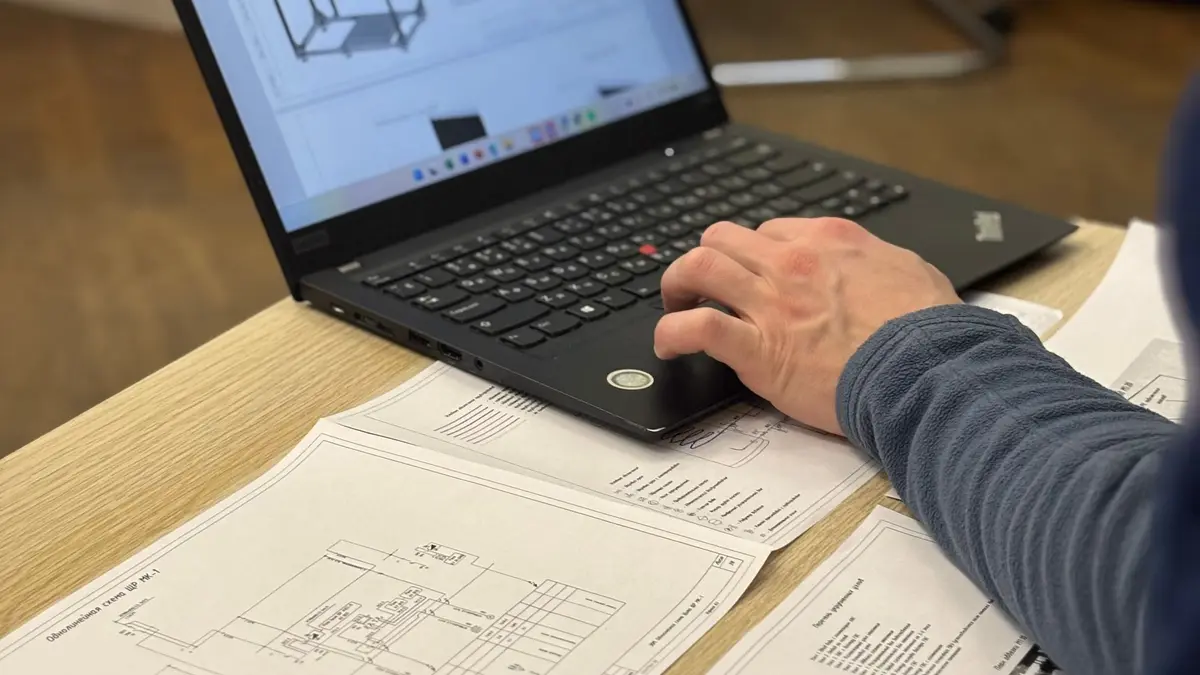
Mistakes that let a poor job through
Most people caught out did nothing foolish. They made reasonable assumptions that happened to be wrong.
A signwritten van or a printed logo proves nothing about gas registration. A low spoken price is not the real price until it is on paper. Paying the full amount before the work is finished removes your only leverage if something is left undone. And throwing away invoices and certificates causes trouble later, when you sell the house, make an insurance claim or need the fault looked at again.
If you smell gas, call the National Gas Emergency Service on 0800 111 999 straight away, before you call anyone else. The most serious mistake is accepting reassurance about a gas smell. If something smells of gas after a visit, it is not fine until it has been checked.
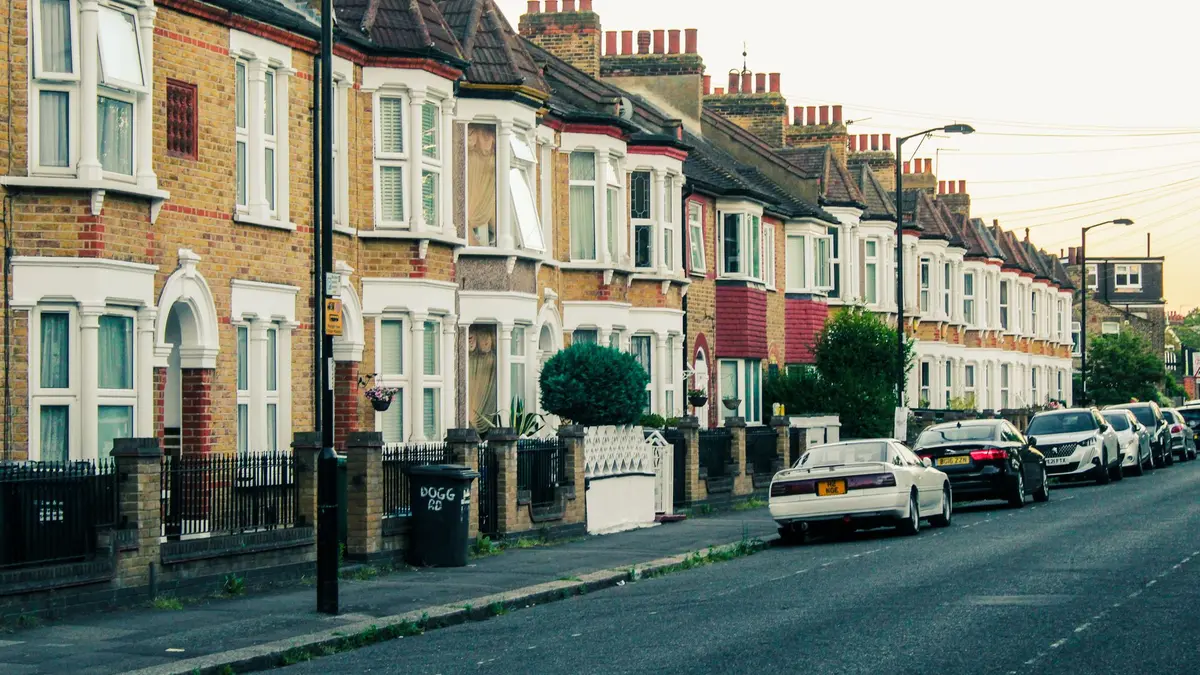
What you can check yourself and what needs a professional
You can safely do a fair amount of checking on your own:
- Look up a gas engineer on the register and read both sides of the card.
- Ask for the price in writing before anyone starts.
- Take photos before and after the work.
- Ask to keep the old parts.
- Check for drips under sinks and around new joints in the days after.
- Watch the boiler pressure gauge for a week or so.
What you should leave alone is anything inside the boiler casing, any gas pipework, and the safety valves on an unvented cylinder. If you smell gas, turn the supply off at the meter, open windows, avoid switches and flames, and contact the gas emergency service straight away. Once the immediate danger is dealt with, a registered engineer needs to find the cause before the supply goes back on.
Send your job details through the form and EF Heating will reply to arrange a visit and a written plumbing quote before anything is touched.